
UKHSA Issues Fresh Heat-Health Alerts: What They Mean and How to Stay Safe
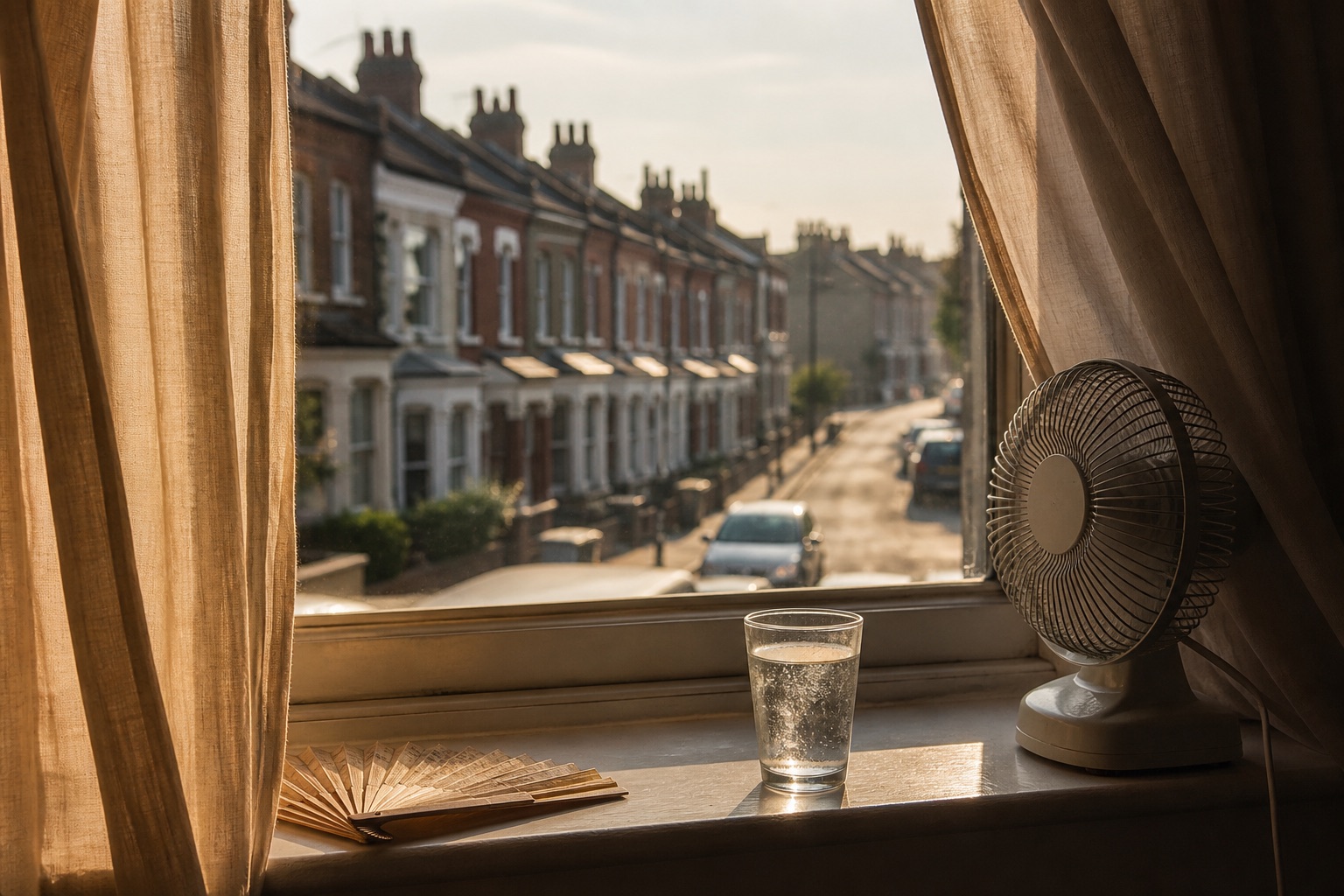
What happened, why it matters, and what to know
On 10 August 2026, UKHSA issued new heat-health alerts covering most of England. Amber alerts covered Yorkshire and the Humber, the West Midlands, the East Midlands, the East of England, the South East, London, the South West and the North West, from 9am Tuesday 11 August to 9pm Friday 14 August, with the North East under a yellow alert. Some regions were extended to 10am Saturday 15 August. This followed amber alerts earlier in August and a red alert in late June, only the second red alert since the system began in July 2022. UKHSA's Polly Ashmore said: "It's important that everyone is aware of the simple steps they can take to stay safe during periods of hot weather." Why this matters: heat-health alerts signal that more people are likely to become unwell, putting pressure on the NHS and social care. For older people, babies and young children, pregnant women, and anyone with a heart, lung or kidney condition, heat can turn a manageable illness into a medical emergency. Much of UK housing holds heat well and cools slowly overnight, so homes can stay uncomfortably warm for days after a heatwave ends. What the evidence says: UKHSA's alert system has four levels - green, yellow, amber and red. Amber flags increased risk to health services and to people over 65 or with respiratory or cardiovascular conditions, rather than predicting a specific number of illnesses. A red alert has now been used twice since the system began, in July 2022 and late June 2026, which UKHSA sees as evidence that intense heat spells are becoming more frequent. Qurexa perspective: hot weather is a safety issue for people on regular medication. Insulin, some inhalers, and certain heart and thyroid drugs need storage below a specific temperature and can lose effectiveness if left in a hot car or sunny windowsill. Heat can worsen dehydration in people on diuretics or blood pressure medication. For people living alone, reliable medicine delivery and a quick check that stored medication hasn't been affected by heat can make a real difference. Practical advice: avoid the sun between 11am and 3pm. Close curtains on sun-facing windows and open windows overnight to cool rooms. Drink water regularly and go easy on tea, coffee and alcohol. Check on older neighbours and anyone with a long-term condition. Keep medicines out of direct sunlight and hot rooms. Know the signs of heat exhaustion (tiredness, dizziness, headache, nausea, heavy sweating, cramps) and heatstroke (very high temperature, hot skin without sweating, confusion, fast breathing or heartbeat). For heat exhaustion, move the person somewhere cool, give water, and cool their skin - they should improve within 30 minutes. Call 999 for signs of heatstroke or no improvement after 30 minutes. Disclaimer: This article is for general information and does not replace advice from a doctor, pharmacist or other qualified healthcare professional. Sources: UKHSA Newsroom, "UKHSA issues heat health alerts across England" (10 Aug 2026); GOV.UK, "UKHSA updates heat health alerts across England" (14 Aug 2026); NHS, "Heat exhaustion and heatstroke".
Related articles
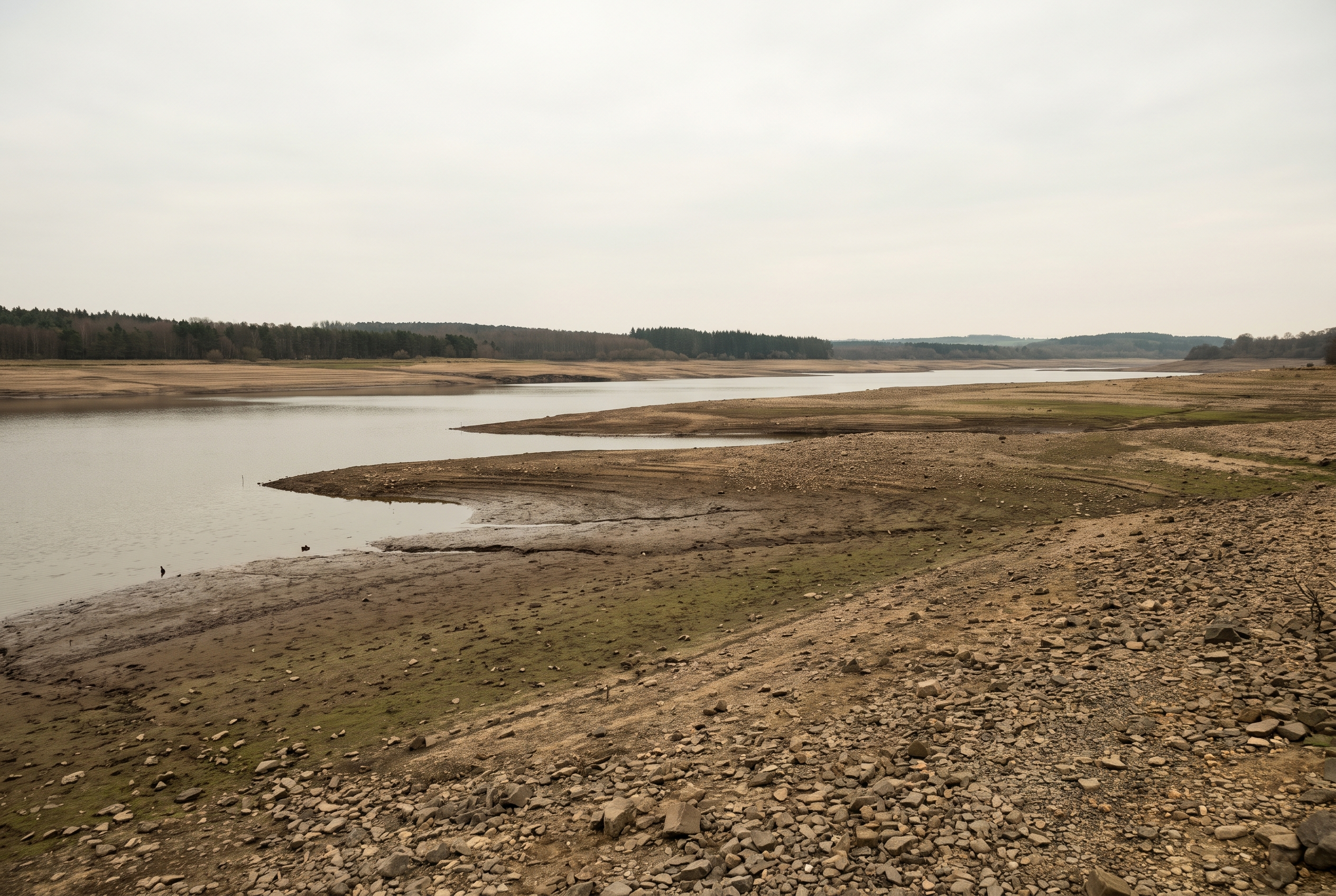
England needs 120% of normal rainfall over seven months to leave drought behind
The government, the Environment Agency and water company bosses met on 16 September 2026 to discuss how England gets out of drought. The headline number from t…
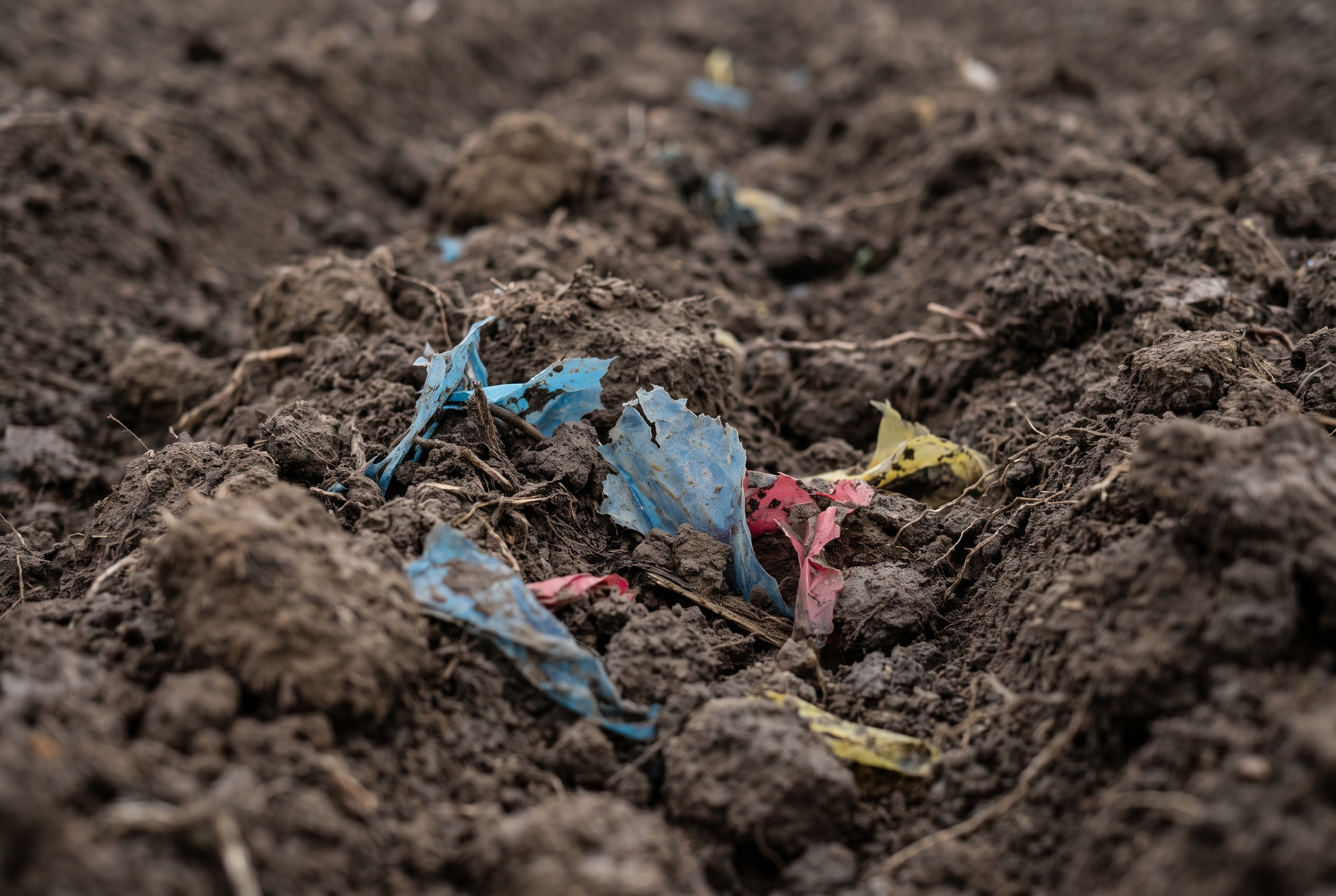
Microplastics were in every one of 227 farm fields tested across Europe
A five-year research project has found microplastics in the soil of every single agricultural field it tested. The EU-funded project tested 227 farm fields acr…

A wild cat smaller than your pet has just been named for the first time in a century
A small wild cat living in the cloud forests of Bolivia has been confirmed as a species nobody had formally described before. This is rarer than it sounds. It…