
Microplastics were in every one of 227 farm fields tested across Europe
What happened
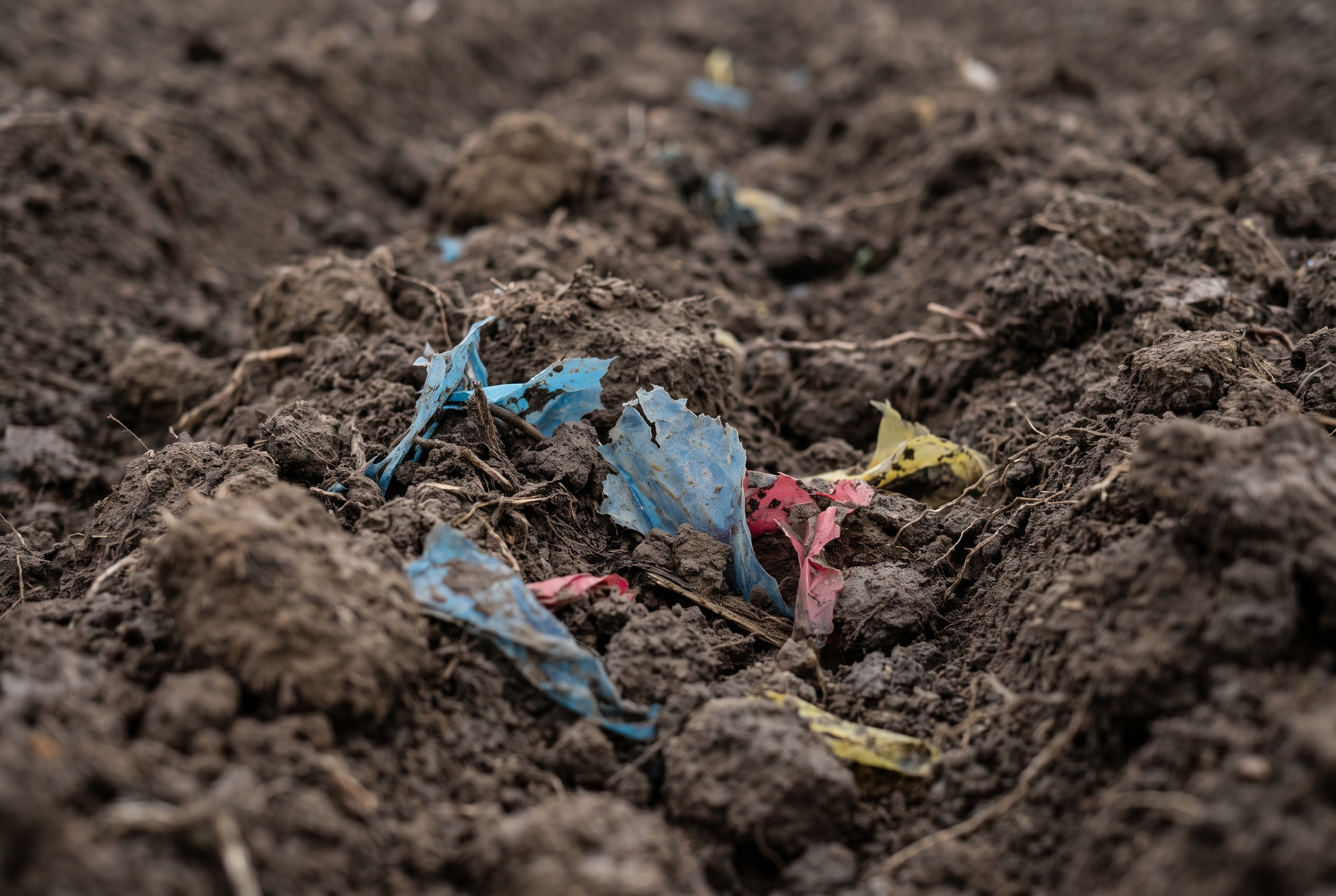
A five-year research project has found microplastics in the soil of every single agricultural field it tested. The EU-funded project tested 227 farm fields across 11 European countries. All 227 had microplastics in the soil. Not most. All of them. The project has so far produced 22 peer-reviewed studies. Its central finding is that microplastics do not simply sit in soil doing nothing. They act like a "Trojan horse", carrying pollutants, pesticides and bacteria through the ground. The research was reported on 16 September 2026. In many cases the contamination reflected both current farming practices and historical land use. That second part matters: it shows plastic pollution can persist in soil for many years after whatever put it there has stopped.
Why this matters
Soil is easy to ignore. It is under our feet and it looks like dirt. But healthy soil is what food grows in, and the researchers were clear that this poses a global threat, because healthy soils are essential for life on Earth. The part that deserves most attention is not the plastic itself. It is what the plastic does to everything around it. The researchers found that microplastics can create new microbial habitats on their surfaces. They call this the plastisphere. These surfaces become a hotspot where plastics, microbes and agricultural chemicals all interact. And within these plastispheres, the researchers found an increase in antibiotic-resistant genes compared with controls. Pesticides appeared to amplify this effect further. Antibiotic resistance is one of the biggest long-term threats to modern medicine. If common antibiotics stop working, routine operations and ordinary infections become dangerous again. Finding that plastic fragments in farm soil may be helping resistance genes spread is a genuinely significant result.
What the evidence actually says
Let us separate what has been shown from what has not. What has been shown: microplastics were present in all 227 tested fields across 11 European countries. That is a strong, clear result, and the sample is large enough to take seriously. Also shown: microplastics interact with other agricultural stressors, including pesticides and veterinary drugs. One study in Switzerland found that fields with the highest levels of tyre-wear particles also had the highest levels of other toxic chemicals and metals. Tyre-wear particles are exactly what they sound like: tiny fragments shed from vehicle tyres, which wash off roads and into land and water. Also shown: plastispheres contained more antibiotic-resistant genes than control samples, and pesticides seemed to increase this. What has not been shown, and it is important to say so: this research does not demonstrate that eating food grown in these soils has harmed anyone's health. It does not put a number on any risk to you personally. It describes contamination of soil and a worrying mechanism involving resistance genes. Those are different things from a proven harm to human health. The work is also substantial rather than preliminary. Five years, 22 peer-reviewed studies and 227 fields is a serious body of evidence, not a single paper making a splash. It is also worth noting what the finding about historical land use implies. Plastic that entered soil years ago is still there. That means this is not a problem that fixes itself quickly once practices change, which is an argument for acting sooner rather than later.
Practical advice
You cannot personally clean plastic out of European farmland. But there are sensible, proportionate things to do, and one very important thing not to do. Do not stop eating fruit and vegetables. This is the key point. Nothing in this research suggests you should eat less fresh produce. The health benefits of eating plenty of vegetables and fruit are well established and large. Swapping them for processed alternatives because of a soil story would make your health worse, not better. Reduce plastic going into the ground where you can. If you garden or grow vegetables, avoid leaving plastic sheeting, netting or plant labels to break down in the soil. Fragments from these are part of the problem. Be careful with compost. Check that any compost you buy or make is free of plastic fragments. Bits of packaging that end up in a compost heap do not disappear. Wash produce, but know its limits. Washing removes surface soil and some residue. It is good practice anyway. It will not remove microplastics already taken up within a plant, so treat it as basic hygiene rather than a solution. Drive a little less if you can. Tyre-wear particles were specifically flagged in the Swiss findings. Fewer car journeys, and less harsh acceleration and braking, means fewer particles shed onto roads. Take antibiotics properly. Given the resistance finding, this one is genuinely within your control. Only take antibiotics when prescribed, finish the course as directed, and never share leftovers or take someone else's. Your pharmacist can advise you if you are unsure. Slowing antibiotic resistance depends on millions of people doing this small thing correctly.
What to know
A five-year EU-funded research project, reported on 16 September 2026, found microplastics in the soil of all 227 agricultural fields it tested across 11 European countries. The project has produced 22 peer-reviewed studies so far. Microplastics act as a "Trojan horse", carrying pollutants, pesticides and bacteria through soil. Their surfaces form a plastisphere where plastics, microbes and agrochemicals interact. Researchers found more antibiotic-resistant genes in plastispheres than in controls, with pesticides appearing to amplify the effect. A Swiss study found fields with the most tyre-wear particles also had the highest levels of other toxic chemicals and metals. Contamination reflected both current practices and historical land use, showing plastic persists for many years. This research does not show that eating food grown in these soils has harmed people. Keep eating fruit and vegetables. Sources: The Guardian, "Microplastics in soil pose global threat by acting like 'Trojan horse' to deliver toxins", 16 September 2026, https://www.theguardian.com/environment/2026/sep/16/soil-microplastics-trojan-horse-toxins ; UK Health Security Agency, antimicrobial resistance information, https://www.gov.uk/government/collections/antimicrobial-resistance-amr-information-and-resources ; NHS, "Antibiotics", https://www.nhs.uk/conditions/antibiotics/ This article is for general information and does not replace advice from a doctor, pharmacist or other qualified healthcare professional. Never stop, start or change a course of antibiotics without professional advice.
Related articles
England needs 120% of normal rainfall over seven months to leave drought behind
The government, the Environment Agency and water company bosses met on 16 September 2026 to discuss how England gets out of drought. The headline number from t…
A wild cat smaller than your pet has just been named for the first time in a century
A small wild cat living in the cloud forests of Bolivia has been confirmed as a species nobody had formally described before. This is rarer than it sounds. It…