
New UK Network Lets People With Dementia Help Design Their Own Assistive Technology
What happened, why it matters, and what to know
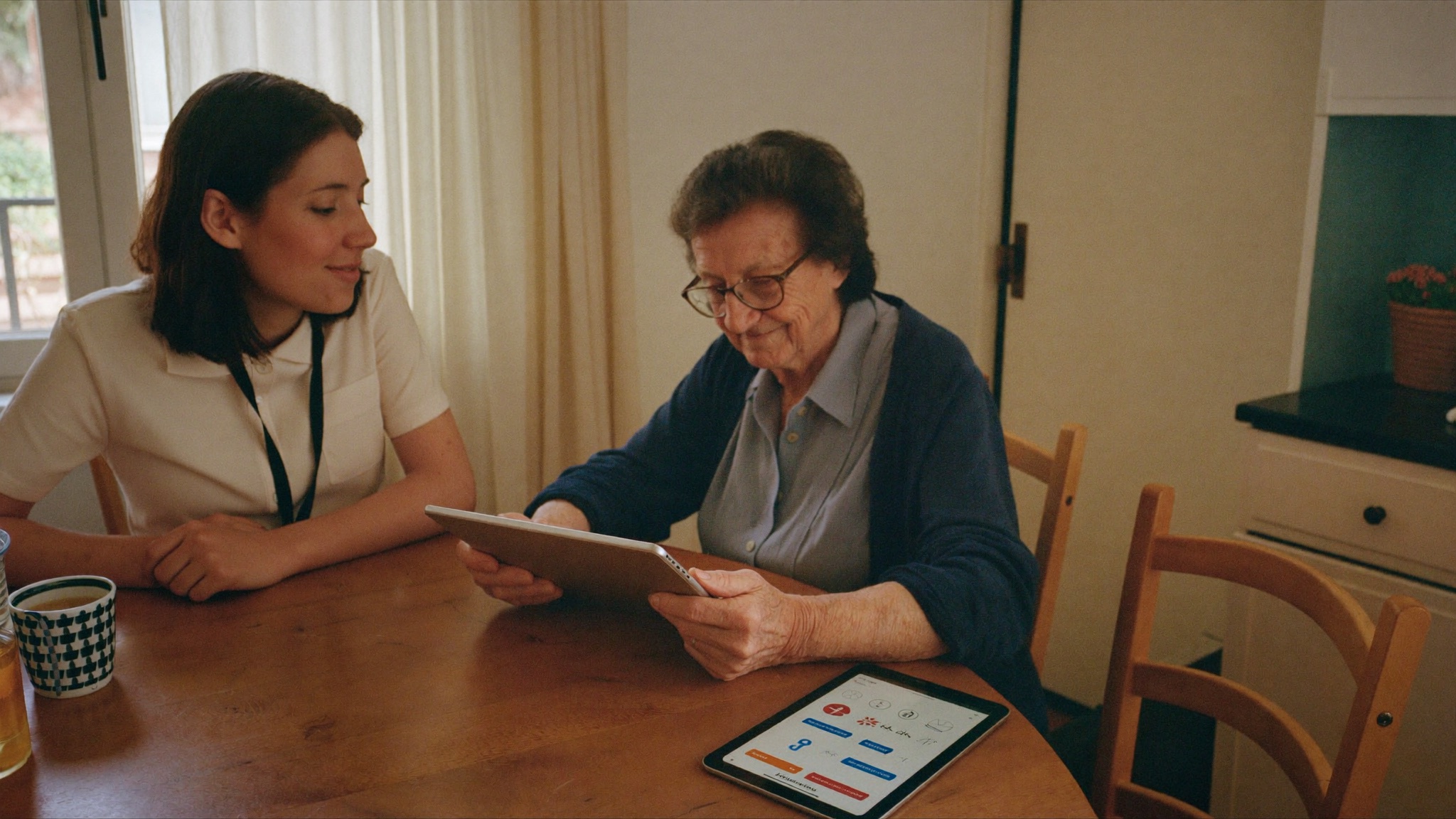
A new research network focused on assistive technology for people with dementia was announced on 7 August 2026 by the University of Strathclyde, working jointly with Heriot-Watt University. Called CONSOLIDATE, the network brings together researchers, charities and NHS boards across Scotland, with funding from the Engineering and Physical Sciences Research Council, the National Institute for Health and Care Research, and the Alzheimer's Society. Rather than starting with a piece of technology and testing it on people afterwards, the network involves people living with dementia, and their carers, from the very beginning of the design process, focusing on five areas: independence at home, mobility, dementia-inclusive technology, social connection, and sustainable support for carers. Around 900,000 people are estimated to be living with dementia in the UK. Assistive technology, from reminder devices to home sensors, is increasingly seen as a way to help people stay in their own homes for longer. A common criticism of past efforts is that devices were designed by engineers without properly asking the people who would actually use them, resulting in gadgets that were technically clever but impractical or unwanted. This is the launch of a research network and its funding structure, not a finished product or a clinical trial with results. No specific device or outcome data has been published as part of this announcement. What can be said with confidence is who is involved and funding it, and what its five priority areas are. Supporting people to live independently at home, safely and with dignity, is central to what we do at Qurexa through prescription delivery and medication adherence support, and dementia is one of the conditions where getting this right matters most. Missed or muddled medication doses are a common and serious risk for people living with dementia. If you're caring for someone with dementia and curious about assistive technology now, a good starting point is your local authority's social care or occupational therapy team, who can carry out a needs assessment. Charities including Alzheimer's Society and Age UK maintain jargon-free guides comparing different types of assistive technology. Source: University of Strathclyde, "People with dementia shape future technology", 7 August 2026. This article is for general information and does not replace advice from a doctor, pharmacist or other qualified professional where health matters are discussed.
Related articles

The first study of the Nepal glacier collapse: what the science found
On 26 August 2026, a massive section of overhanging glacier and rock broke away from Langtang Lirung mountain, on the border between Nepal and Tibet. The piece…

Scientists worked out when black holes 'burp' - and it comes down to one number
Astronomers say they have solved a long-standing puzzle about black holes: when they "burp". Black holes have a reputation as cosmic plugholes that swallow eve…

Half a mouse brain, grown from human cells: what scientists just did, and why
Scientists at Stanford University have created mice whose brains are roughly half human tissue by volume. Here is how. The team first genetically engineered mi…