
NHS Transplant Patient Data Sent Over Unencrypted Pagers, BBC Finds
What happened, why it matters, and what to know
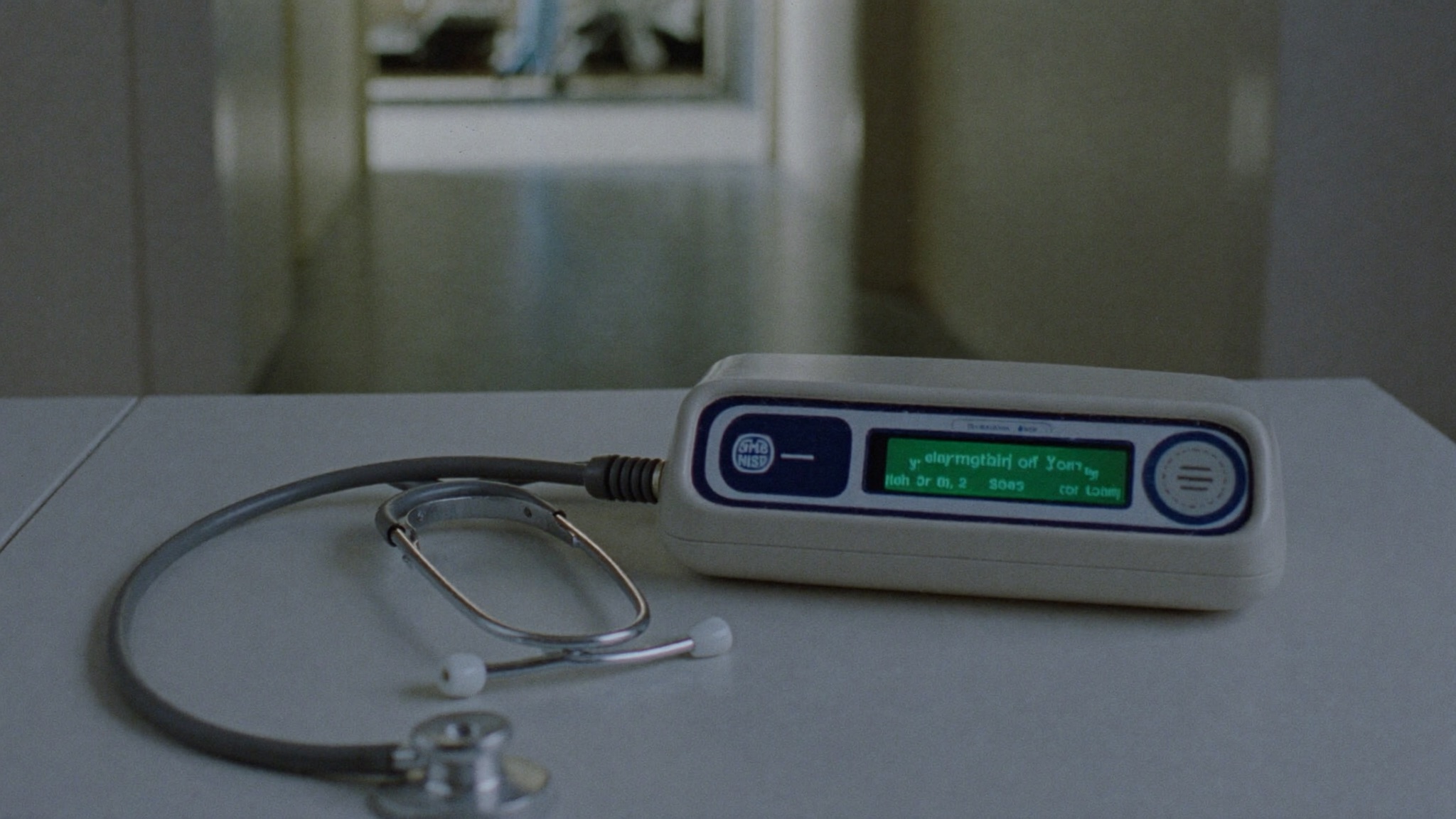
A BBC investigation published on 14 August 2026 found that NHS Blood and Transplant (NHSBT) had been sending sensitive information about transplant patients, including names, dates of birth, tissue-match scores and organ details, over an unencrypted pager network. Hundreds of messages were sent this way over a 10-day period examined by the BBC. Pagers broadcast data over open radio waves that can be intercepted with basic, commercially available equipment. NHSBT told the BBC it was 'deeply sorry', confirmed the practice constituted a data breach, reported it to the Information Commissioner's Office, and has since stopped sending patient information via pagers. For most people, this might sound like a technical footnote, but it touches something very personal: the privacy of people going through one of the most vulnerable moments of their lives, waiting for or receiving an organ transplant. Details like tissue-match scores are highly sensitive medical information. It also matters because pagers are still in everyday use across parts of the NHS despite a 2019 government commitment to phase them out by 2021. It is confirmed that patient data was sent unencrypted over pagers, and that NHSBT has accepted this constitutes a data breach. What is not known is whether the information was actually intercepted or accessed by anyone unauthorised, since pager transmissions cannot be tracked the way digital message logs can. A data breach in the technical and regulatory sense is not the same as confirmed evidence of harm. At Qurexa, we handle sensitive information every day as part of prescription delivery and medication adherence support, so stories like this resonate with our own approach to data protection. Patient information should only ever travel through channels built to keep it confidential. If you are a transplant patient, or a carer supporting someone who is, you don't need to take any direct action; NHSBT has already stopped using pagers for patient data and reported the incident to the regulator. If you ever believe your own health data has been mishandled, you can raise a concern with the organisation involved, and escalate to the Information Commissioner's Office if unsatisfied. Sources: BBC News, 14 August 2026; Digit.fyi, 14 August 2026. This article is for general information and does not replace advice from a doctor, pharmacist or other qualified professional where health matters are discussed.
Related articles

The first study of the Nepal glacier collapse: what the science found
On 26 August 2026, a massive section of overhanging glacier and rock broke away from Langtang Lirung mountain, on the border between Nepal and Tibet. The piece…
Scientists worked out when black holes 'burp' - and it comes down to one number
Astronomers say they have solved a long-standing puzzle about black holes: when they "burp". Black holes have a reputation as cosmic plugholes that swallow eve…
Half a mouse brain, grown from human cells: what scientists just did, and why
Scientists at Stanford University have created mice whose brains are roughly half human tissue by volume. Here is how. The team first genetically engineered mi…