
The Thirlwall report is out: 17 things the NHS has been told to change
What happened
On 15 September 2026, a public inquiry published its final report into what happened at the Countess of Chester Hospital between 2015 and 2018. The inquiry was led by Lady Justice Thirlwall, a senior judge. It was set up in 2023, after neonatal nurse Lucy Letby was convicted of murdering seven babies and attempting to murder six more. Thirteen families sat at the centre of its work. Some lost a newborn baby. Others saw their baby suddenly and seriously collapse. The report comes in three volumes plus a summary, and it makes 17 recommendations. In it, Lady Justice Thirlwall describes "a dispiriting and at times shocking account of multiple and repeated mistakes and failings by organisations and individuals". One thing is worth being clear about straight away. The inquiry did not look at whether the convictions were correct. Lady Justice Thirlwall wrote that her focus was "not on the guilt of Lucy Letby or on her convictions". That question sits with a separate body, the Criminal Cases Review Commission. The inquiry asked different questions. What did the hospital know? When did it know it? And why did it take so long for anyone to act? The same afternoon, the Health and Social Care Secretary, Yvette Cooper, made a statement in the House of Commons. She apologised to the families. "On behalf of the government and the health service, I am profoundly sorry for the failures set out so clearly in this report," she said. She called the report "thorough and devastating", and agreed on the spot to act on several of its recommendations.
Why this matters
It would be easy to read this as a story about one hospital, ten years ago, and one nurse. The report is not really about that. It is about what happens when serious worries are raised inside a hospital and nobody treats them as a safety problem. Doctors at the Countess of Chester raised concerns early. The report finds those concerns were passed around, discussed, reviewed and then, again and again, not acted on. Nobody started safeguarding procedures. The police were not called for almost a year after the first serious discussion. Lady Justice Thirlwall set out a point that sounds obvious once you read it. Her report finds that no one seems to have understood that safeguarding action is needed when a member of staff is suspected of causing deliberate harm, and that colleagues do not have to be sure of guilt first. You do not have to prove anything before you protect patients. Suspicion is enough to act. The report found another gap that should worry anyone who has had a child in hospital. At the Countess, the board and the medical director reviewed deaths in the hospital, but only adult deaths. The report says the board "did not receive any reports about the deaths of babies and children at any stage during the period the Inquiry was considering". It calls this "a serious failure of governance, which no one on the Board seems to have noticed". The parents themselves were left in the dark. Many heard nothing about the suspicions until the police contacted them in July 2018. The report calls that "unforgivable", and says the parents "had a right to know".
What the evidence actually says
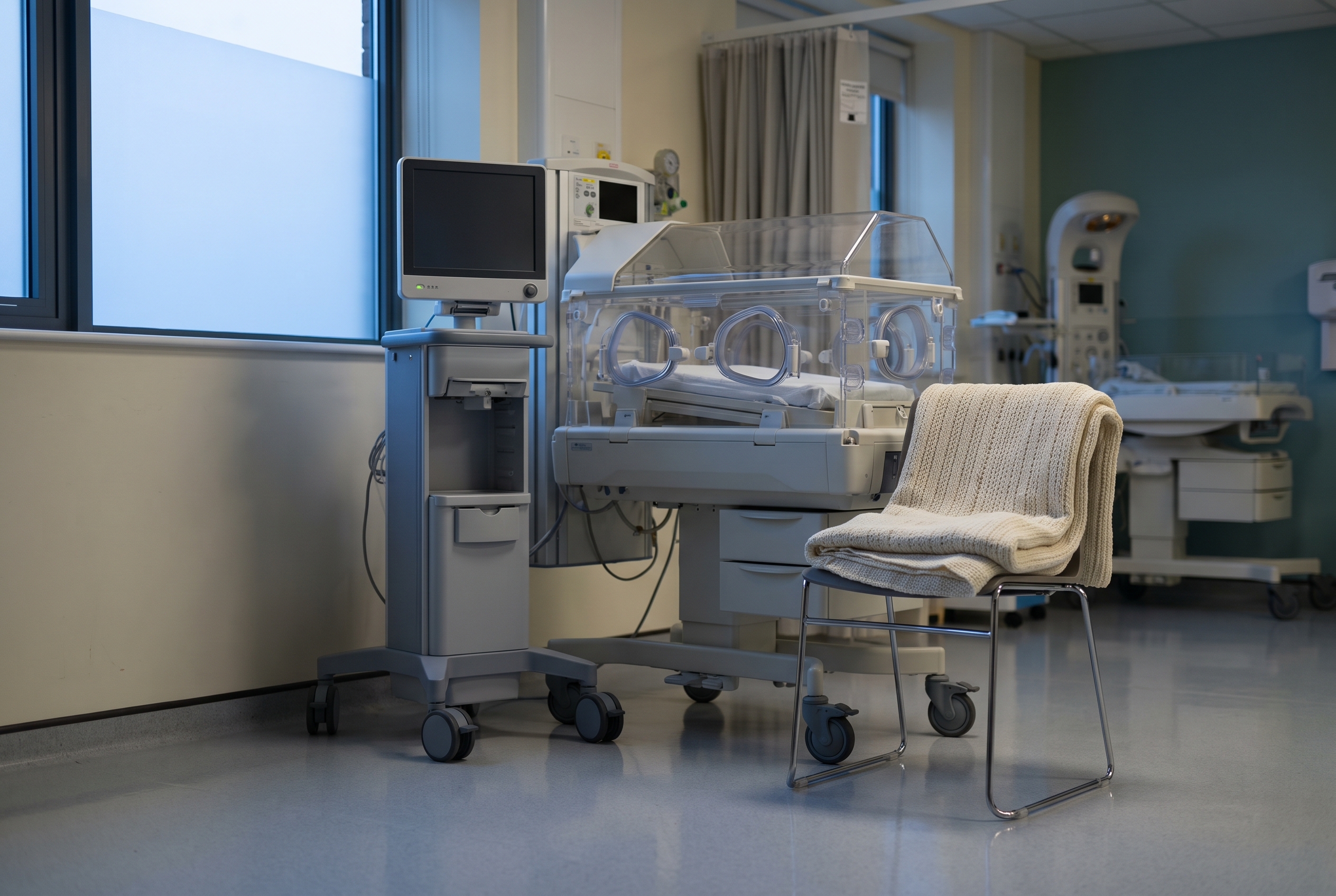
Here is what the 17 recommendations ask for, in plain terms. Most come with dates attached, which matters, because the inquiry's own research found that most recommendations from NHS inquiries over the last 30 years were never carried out. Cameras in cots. Recommendation 1 says every cot and incubator in every neonatal unit should have an in-cot camera with live video, so parents can see their baby at any time. The funding should be ring-fenced, and NHS England should publish a plan by 31 March 2027. Tighter control of insulin. Recommendation 2 says digital devices should limit who can get to insulin and record every access. Until fingerprint or similar controls are in place, trusts should put CCTV on the fridges and cupboards where insulin is stored, keeping recordings for at least 28 days. A one-page protocol on deliberate harm. Recommendation 9 asks NHS England to produce a single-page protocol by 31 March 2027, telling managers exactly what to do when someone raises a concern that a member of staff may have deliberately harmed a patient. It says moving that person while it is investigated "is a neutral act", and that the police will become involved. Safeguarding training for everyone. Recommendation 4 says all staff and all board members, including non-executive directors, must be trained. By March 2027 every NHS employment contract, including agency and bank staff, must require people to follow safeguarding guidance. Watching the right numbers. Recommendations 6 and 7 say every trust board must monitor all deaths of babies and children, and every unit should have a named "lead reporter" who reviews safety data at least weekly. Holding managers to account. Recommendation 13 says a barring system for all NHS managers, clinical and non-clinical, should be in place by September 2027, with a view to full statutory regulation by 2032. Managers should also each carry a personal duty of candour. Recommendation 14 says the Care Quality Commission should inspect without notice and "not accept what they are told at face value". Recommendation 17 asks that the National Audit Office check whether inquiry recommendations are carried out at all. The government's response was quick and fairly specific. Yvette Cooper has asked the Chief Nursing Officer to urgently review the NHS safeguarding framework, asked officials to develop plans for cot cams, and confirmed the government will legislate for a barring scheme for senior NHS leaders and managers. All trusts are signed up to the national bereavement care pathway for neonatal death, which the report wants in place by 31 August 2027. A full response to all 17 recommendations will follow.
Qurexa perspective
We are a healthcare logistics and pharmacy delivery company, not a hospital. But two threads in this report run through any organisation that handles medicines or visits vulnerable people at home. The first is medicines control. The insulin recommendation is, at heart, about knowing who touched a medicine and when. Careful records, controlled storage and a clear chain of custody are what make it possible to answer that question later. The second is speaking up. The report's most repeated lesson is that a concern raised in good faith should be acted on before anyone is certain. Delivery drivers, carers and pharmacy staff often see what nobody else sees: a person who seems frightened, medicines piling up unopened, a home that has changed. If something does not look right, saying so is the right thing to do, even when you are not sure. Safeguarding, as the Health Secretary put it, is everyone's business.
Practical advice
If you have a baby in a neonatal unit now, or you are worried about someone in hospital, here is what you can do. Ask questions, and keep asking. You are allowed to ask what a reading means, why a decision was made, or what happens next. Good staff welcome it. If you do not understand an answer, say so and ask again. Write things down. A simple note of dates, names and what you were told helps you keep track when you are tired and stressed, and it is genuinely useful later. Ask for the family liaison or bereavement team. Most units have someone whose job is to support families rather than treat the patient. Use PALS. Every NHS trust in England has a Patient Advice and Liaison Service. It is free, and it can raise a concern for you without you having to make a formal complaint. If you are staff and something worries you, report it. You do not have to be sure. That is the whole point of this report. If this has stirred up a loss of your own, help is there. Sands and Bliss both support families who have lost a baby or whose baby needed neonatal care, and your GP can refer you for bereavement support.
What to know
The Thirlwall Inquiry's final report was published on 15 September 2026. It examines events at the Countess of Chester Hospital from 2015 to 2018 and makes 17 recommendations. It did not examine whether Lucy Letby's convictions were correct; that is a matter for the Criminal Cases Review Commission. The headline recommendations are in-cot cameras in every neonatal unit, much tighter control of insulin, a one-page national protocol for handling suspicion of deliberate harm, safeguarding training for all staff and board members, a barring system for NHS managers by September 2027, and a National Audit Office role in checking that inquiry recommendations are actually delivered. The government has apologised, agreed to act on several recommendations immediately, and will publish a full response later. Most of the deadlines fall on 31 March 2027, so this is something to watch rather than something already fixed. Sources: The Thirlwall Inquiry, "Report of the Public Inquiry into events at the Countess of Chester Hospital, 2015 to 2018 - Summary report and Recommendations", 15 September 2026, https://thirlwall.public-inquiry.uk/the-report/ | Department of Health and Social Care and The Rt Hon Yvette Cooper MP, "Government response to the Thirlwall Inquiry" (oral statement to Parliament), 15 September 2026, https://www.gov.uk/government/speeches/government-response-to-the-thirlwall-inquiry | Department of Health and Social Care, "Government to act on Thirlwall patient safety recommendations", 15 September 2026, https://www.gov.uk/government/news/government-to-act-on-thirlwall-patient-safety-recommendations | GOV.UK, "Thirlwall Inquiry report", 15 September 2026, https://www.gov.uk/government/publications/thirlwall-inquiry-report This article is for general information and does not replace advice from a doctor, pharmacist, midwife or other qualified healthcare professional. If you are worried about the care you or your baby are receiving, speak to the clinical team or your trust's Patient Advice and Liaison Service.
Related articles
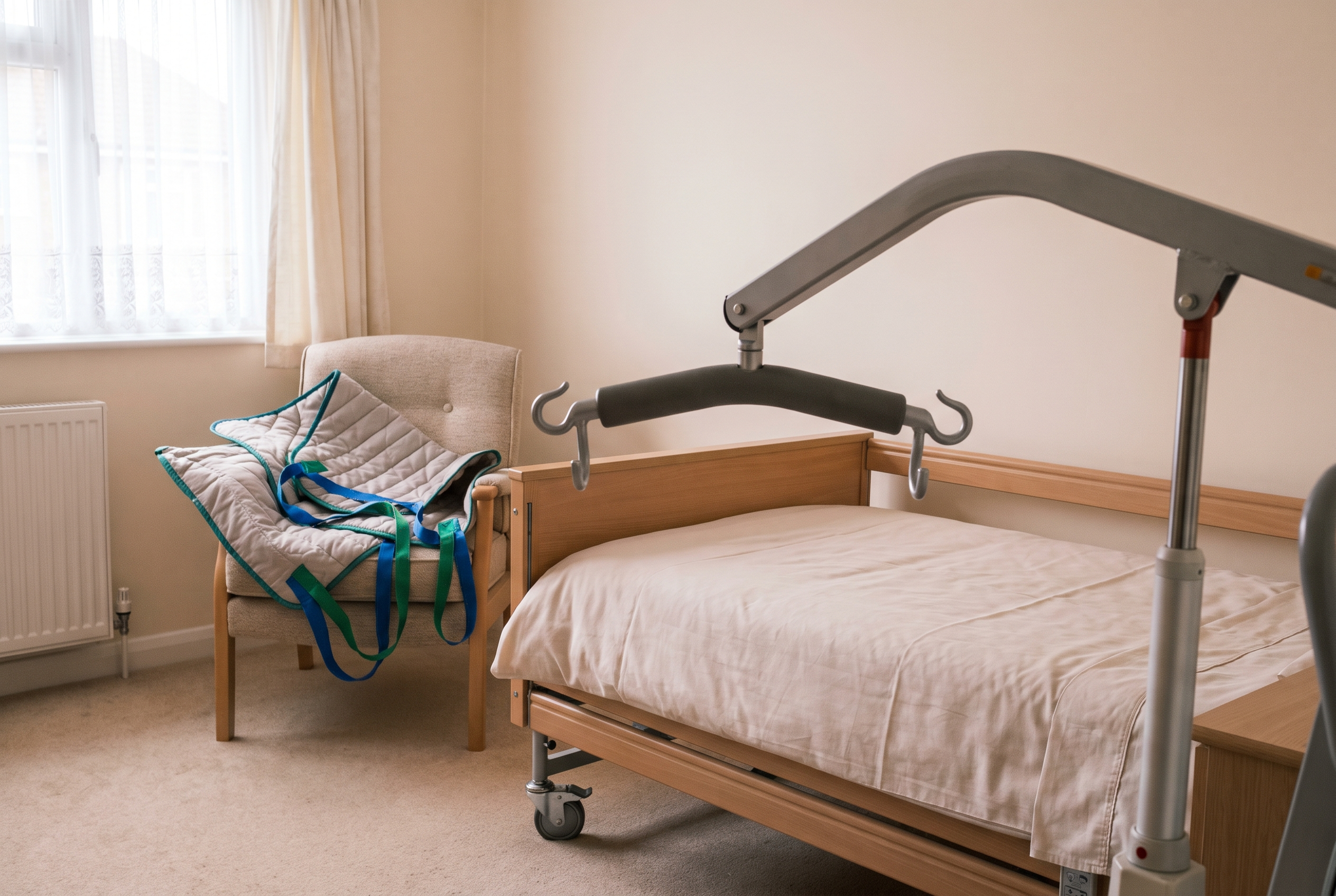
Two deaths a year from hoist falls: the MHRA has issued a national alert
On 16 September 2026, the UK's medicines and devices regulator issued a national warning about patient hoists and slings. A hoist is the machine used to lift s…

"It makes you feel helpless": why patients and doctors are questioning standard endometriosis care
Women with endometriosis and the doctors who treat them are raising doubts about the standard approach to care. The Guardian reported on 15 September 2026 on r…
One in five ethnic minority NHS managers plan to leave. A new survey explains why
A new survey has found deep problems with racism among NHS managers in England. The NHS Alliance asked 950 Black, Asian and minority ethnic managers about thei…