
Breast screening overdiagnosis may be far smaller than the figures you have heard
What happened
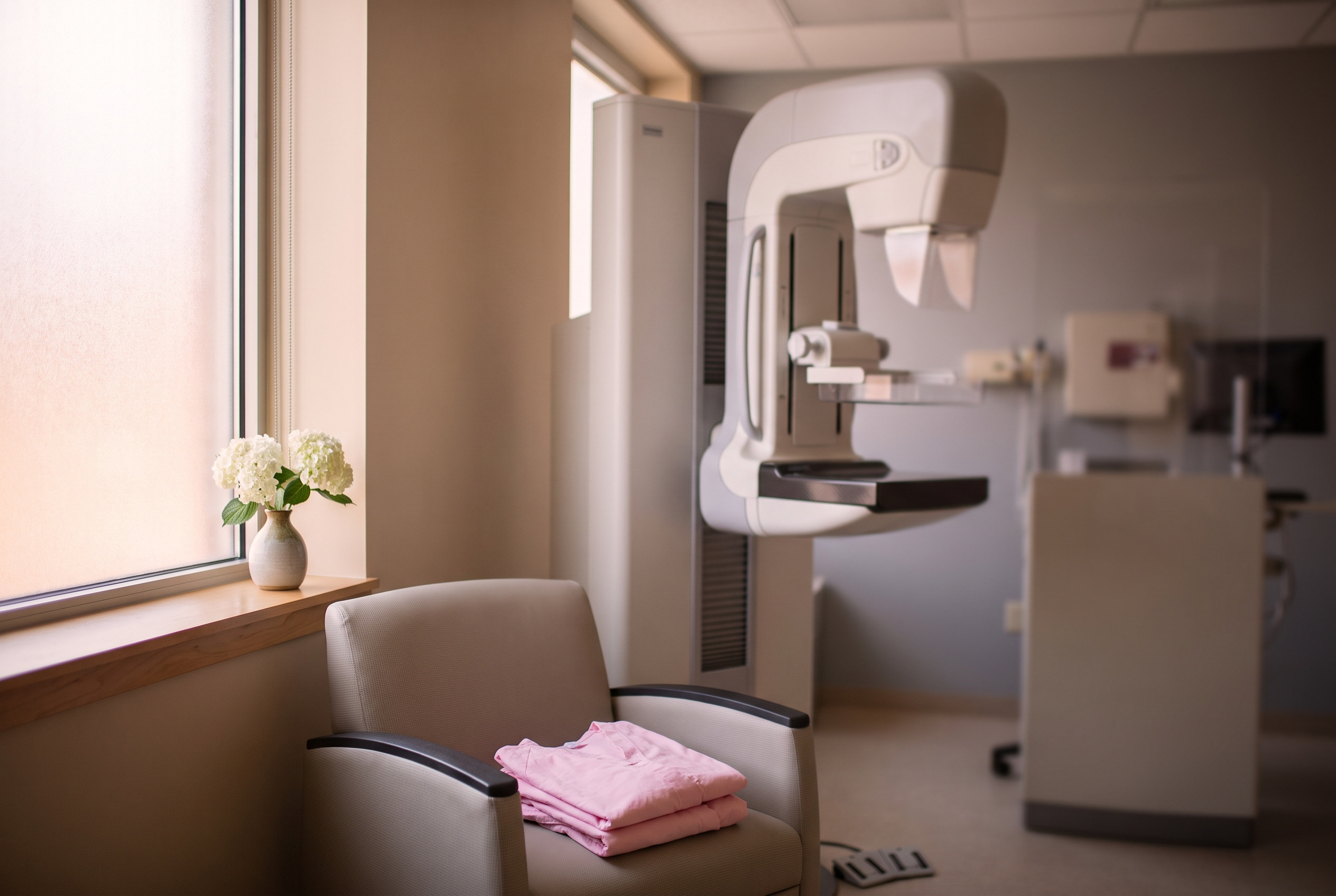
One of the longest running arguments in cancer screening has just been given a serious shake. Researchers have published a reanalysis of eight randomised trials of breast screening in the JNCI Journal of the National Cancer Institute. The team included Sisse Helle Njor at the University of Southern Denmark and Lillebaelt Hospital, Elsebeth Lynge at the University of Copenhagen, and Matejka Rebolj at Queen Mary University of London. The argument they were looking at is about something called overdiagnosis. That is when screening finds a cancer that is real under a microscope, but that would never have caused symptoms or harm in that person's lifetime. Because doctors cannot tell which cancers those are, the person is treated anyway. That means surgery, and sometimes radiotherapy or drug treatment, for a cancer that was never going to trouble them. It is the strongest argument against screening, and figures of 30 to 50 per cent of screen-detected cancers have been widely quoted for years. The new analysis says those figures are much too high. When the researchers accounted for two things the older calculations had handled poorly, the excess number of cancers found in the trials closely matched what you would expect in the Danish screening population, where overdiagnosis is estimated at below 5 per cent. The two problems were that women in the comparison groups often went on to be screened anyway, and that follow-up periods varied. Both distort the sums.
Why this matters
In the UK, women aged 50 to 71 are invited for NHS breast screening roughly every three years. Millions of invitations go out. Every one of them asks a person to weigh up a benefit against a harm. The benefit is finding cancer earlier, when treatment is more likely to work and can often be less drastic. The harm most often raised is overdiagnosis: being treated for something that was never going to hurt you. If overdiagnosis really were 30 to 50 per cent, that would mean something close to a coin flip on whether a screen-detected cancer needed treating. Understandably, that figure has put some women off. It has also been used in campaigning material and in some patient information. If the true figure is under 5 per cent, the balance looks very different. The benefit stays the same; the main cost shrinks a great deal. This is not a small technical footnote. It is the number that sits underneath one of the biggest public health programmes in the country.
What the evidence actually says
It is worth being straight about the strengths and the limits. The strength is the method. Randomised trials are the best tool medicine has, and this analysis pools eight of them rather than relying on one. The two corrections the team made are not statistical trickery; they are well recognised problems. If women in the control group get screened too, the difference between the groups shrinks in ways that make overdiagnosis look bigger than it is once you do the sums the old way. If follow-up is short, cancers that would have shown up later in the control group have not appeared yet, which also inflates the estimate. The limits are real too. This is a reanalysis of old trials, some of which ran decades ago with older equipment. Screening technology, treatment and the way cancers are classified have all changed since. Estimates depend on modelling choices, and other research groups have made different choices and reached different answers. The long-running disagreement about overdiagnosis has not been settled by one paper, and the researchers themselves frame their work as showing that the usual interpretation "is not as straightforward as it may seem". It is also worth saying what overdiagnosis is not. It is not a false alarm. A false alarm is when screening flags something that turns out, after further tests, not to be cancer. That is a separate and more common experience, and it is stressful. Overdiagnosis is a different thing, and much harder to measure, precisely because you can never know for certain which individual case it applied to. As one of the researchers put it, most women will not develop breast cancer, but for those who do, the benefits of detecting it early are expected to outweigh the small risk of unnecessary treatment.
Practical advice
**If you get an invitation, read it and decide, rather than ignoring it.** The commonest outcome by far is a normal result and a letter telling you so. **Know the UK basics.** NHS breast screening is offered to women aged 50 to 71 in England, roughly every three years, with the invitation coming automatically. Scotland, Wales and Northern Ireland run their own programmes on similar lines. If you are over 71 you are no longer invited automatically, but you can still request screening every three years. **Do not wait for screening if you notice a change.** This is the point that matters most. Screening is for women without symptoms. A new lump, a change in the shape or size of a breast, skin dimpling or puckering, a nipple that has turned inwards, discharge, or a rash around the nipple all need a GP appointment now, whatever your last screening result said. **Get to know what is normal for you.** There is no need for a formal monthly routine. Being familiar with how your breasts usually look and feel is enough to notice a change. **Tell the service if you need adjustments.** If you have a physical disability, find the appointment difficult, or have had a bad experience before, say so when you book. Units can usually make it easier. **Ask questions if you are unsure.** Your GP practice can talk through what screening does and does not do. The decision is yours, and it is a reasonable one to think about rather than just tick.
What to know
Researchers from Denmark and the UK reanalysed eight randomised breast screening trials and concluded that overdiagnosis is likely to be below 5 per cent, rather than the 30 to 50 per cent often quoted. They found the older estimates had not properly accounted for screening in the comparison groups or for differing follow-up lengths. This is one strong study in a long-running scientific argument. It does not end that argument, and it is based on trials run with older technology. But it comes from experienced screening researchers, uses the best available trial data, and points firmly in one direction: the main downside of breast screening has probably been overstated. If you have been putting off an invitation because of the overdiagnosis figures you have read, this is a good reason to look at the decision again. And whatever you decide about screening, get any new breast change checked without waiting. Sources: Medical Xpress, "New analysis points to low overdiagnosis in breast cancer screening", 13 September 2026, https://medicalxpress.com/news/2026-09-analysis-overdiagnosis-breast-cancer-screening.html ; EurekAlert / University of Southern Denmark Faculty of Health Sciences, "New analysis points to low overdiagnosis in breast cancer screening", 13 September 2026, https://www.eurekalert.org/news-releases/browse?view=latest ; JNCI Journal of the National Cancer Institute, reanalysis of randomised mammography screening trials, September 2026, https://academic.oup.com/jnci This article is for general information and does not replace advice from a doctor, pharmacist or other qualified healthcare professional. If you notice any change in your breasts, contact your GP practice without waiting for a screening invitation.
Related articles
Two deaths a year from hoist falls: the MHRA has issued a national alert
On 16 September 2026, the UK's medicines and devices regulator issued a national warning about patient hoists and slings. A hoist is the machine used to lift s…

"It makes you feel helpless": why patients and doctors are questioning standard endometriosis care
Women with endometriosis and the doctors who treat them are raising doubts about the standard approach to care. The Guardian reported on 15 September 2026 on r…
One in five ethnic minority NHS managers plan to leave. A new survey explains why
A new survey has found deep problems with racism among NHS managers in England. The NHS Alliance asked 950 Black, Asian and minority ethnic managers about thei…