
Home Ventilator Safety Alert: What Patients and Carers Need to Know
What happened, why it matters, and what to know
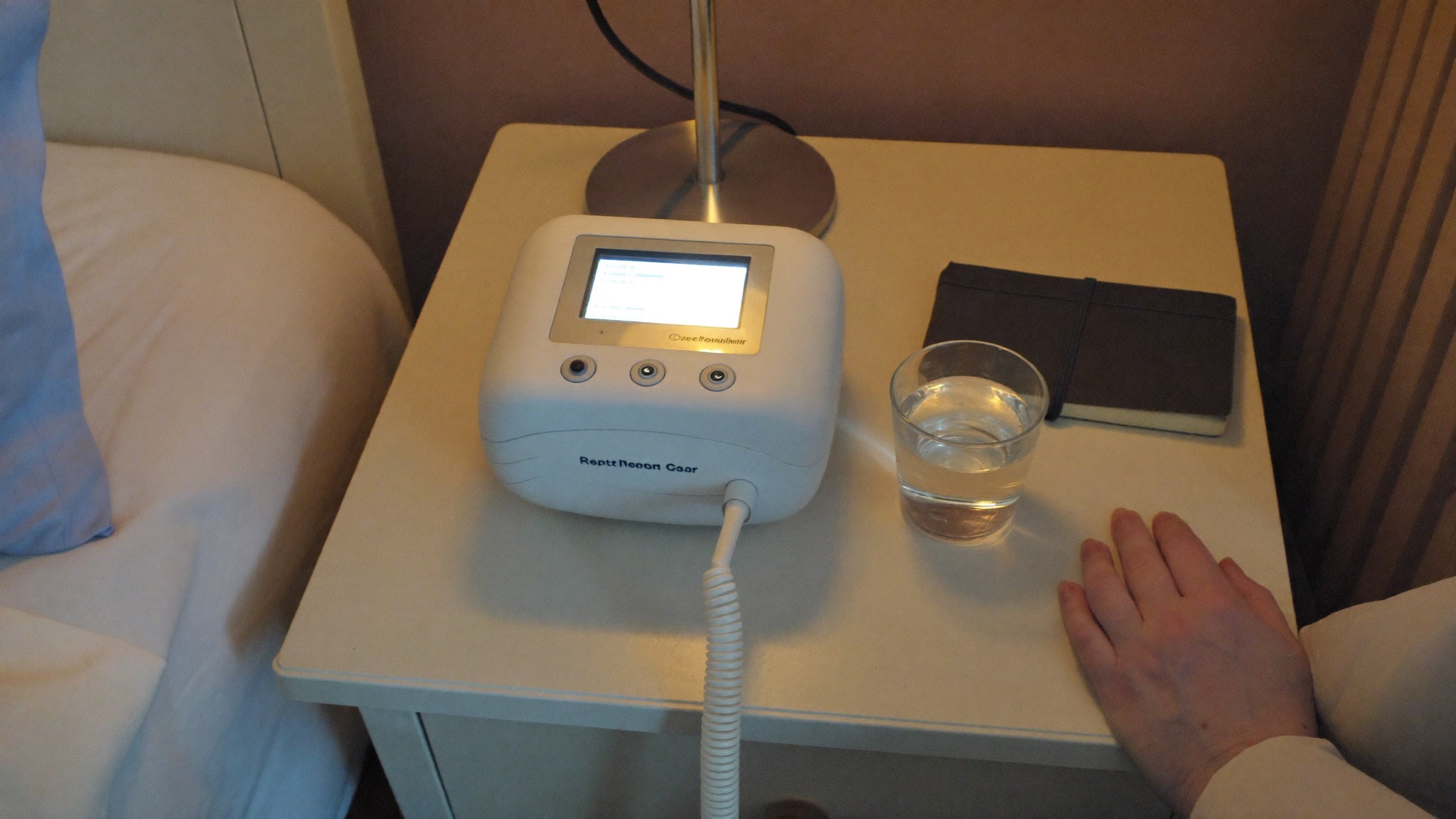
On 17 August 2026, the Medicines and Healthcare products Regulatory Agency (MHRA) issued a National Patient Safety Alert (NatPSA/2026/004/MHRA) about ResMed Astral 100 and 150 ventilators manufactured before October 2024, used by people in hospitals, community settings and at home, including people with tracheostomies and those who depend on a ventilator to breathe. A small internal part called a supercapacitor can leak over time, damaging the circuit board and causing the ventilator to stop delivering therapy without warning. For most people a faulty appliance is an inconvenience; for someone who depends on a ventilator to breathe, an unexpected interruption can be genuinely dangerous. The fault occurs in an estimated 0.1% of devices over an eight-year service life, so most machines are unaffected, but the consequence when it does happen can be serious. Organisations have been given until 17 February 2027 to identify affected devices, arrange inspections, and ensure every at-risk patient has backup ventilation ready. The MHRA is clear this is a mechanical and electrical fault, not a design flaw affecting every device immediately. It explicitly warns against stopping ventilation without medical advice and a backup in place, since the risk of an unmanaged interruption to breathing support is far greater than the small risk of the fault itself. This alert lands squarely in the world of home care that Qurexa exists to support. People using ventilators at home rely on family carers, community nursing teams and equipment suppliers, and clear, fast information matters enormously when a safety notice like this is issued. If you or someone you care for uses a ResMed Astral 100 or 150 ventilator at home, do not stop using it on your own judgement. Contact your clinical team or equipment provider as soon as possible to check whether your device is affected, and make sure your backup ventilation equipment is charged, working, and that carers know how to recognise the device's alarms. Source: GOV.UK/MHRA, National Patient Safety Alert NatPSA/2026/004/MHRA, 17 August 2026. This article is for general information and does not replace advice from a doctor, pharmacist or other qualified healthcare professional.
Related articles
One baby's heartbeat, the wrong screen: a new MHRA warning on labour monitors
The UK's medicines and devices regulator has issued a safety notice about wireless monitors used to track babies' heartbeats during labour. The Medicines and H…
One play specialist for every 22,000 child hospital admissions
A children's charity has found that hospitals in the UK have far too few health play professionals. Health play professionals are trained staff who help childr…
33 studies out of 38 pointed the same way: women are offered less active treatment
Researchers at the University of St Andrews have published a review of global research into how men and women are treated for the same illnesses. The answer wa…