
Update: Thailand's visa-free rule now has a second catch - two entries a year
What happened
Earlier this month we covered Thailand's decision to cut visa-free stays for British nationals from 60 days to 30 days, which took effect on 15 September 2026. This is a follow-up, because the FCDO updated its Thailand advice again on 18 September 2026 and the entry requirements section now contains a second restriction that was not the focus of the original announcement. Visa-exempt entry for tourism is normally limited to two entries per calendar year. In other words, it is not just that each visa-free stay is shorter. There is also a limit on how many times you can use the scheme in the same year. If you have already entered Thailand twice on the exemption, you will need a visa for a third trip. The advice also makes clear that visa-exempt entry does not cover business travel. That includes attending conferences and meetings, not only paid work. And it sets out what happens if you overstay: a fine of 500 Thai baht a day up to a maximum of 20,000 baht, possible detention in harsh conditions, deportation at your own expense, and a ban from re-entering Thailand for up to 10 years.
Why this matters
Thailand is not a country most people visit once and forget. A lot of British travellers go back, and a fair number treat it as a base - flying in, travelling on to Vietnam or Cambodia, then returning. That pattern is exactly what the two-entry limit affects. It also affects people who split their winter between Thailand and somewhere else, and anyone doing a regional trip with Bangkok as the hub. The business travel point catches a different group. Plenty of people assume that if they are not being paid in the country, they are a tourist. Attending a conference is explicitly not covered, and that is the kind of detail that only becomes a problem at the immigration desk. The overstay penalties are worth reading twice. A ten-year ban is not a small thing for someone who has family or a partner in Thailand.
What the evidence actually says
This is official FCDO advice, updated on 18 September 2026, and it is the version to rely on. Two words in it deserve attention: "normally limited". That phrasing suggests there is discretion at the border, which cuts both ways. It does not guarantee a second entry, and it does not guarantee a third will be refused. Immigration officers in any country can and do make judgement calls. The 30-day figure is the maximum stay allowed under the exemption, not an entitlement. Entry is always at the discretion of the immigration officer. It is also worth noting what this advice does not do. It does not tell you which visa you would need for a longer or third trip, or how to apply. That is a matter for the Royal Thai Embassy, and rules for tourist visas, education visas and long-stay visas differ. Rules in this area have changed more than once recently. The sensible assumption is that they may change again, and that anything you read in a forum post from last year is out of date.
Qurexa perspective
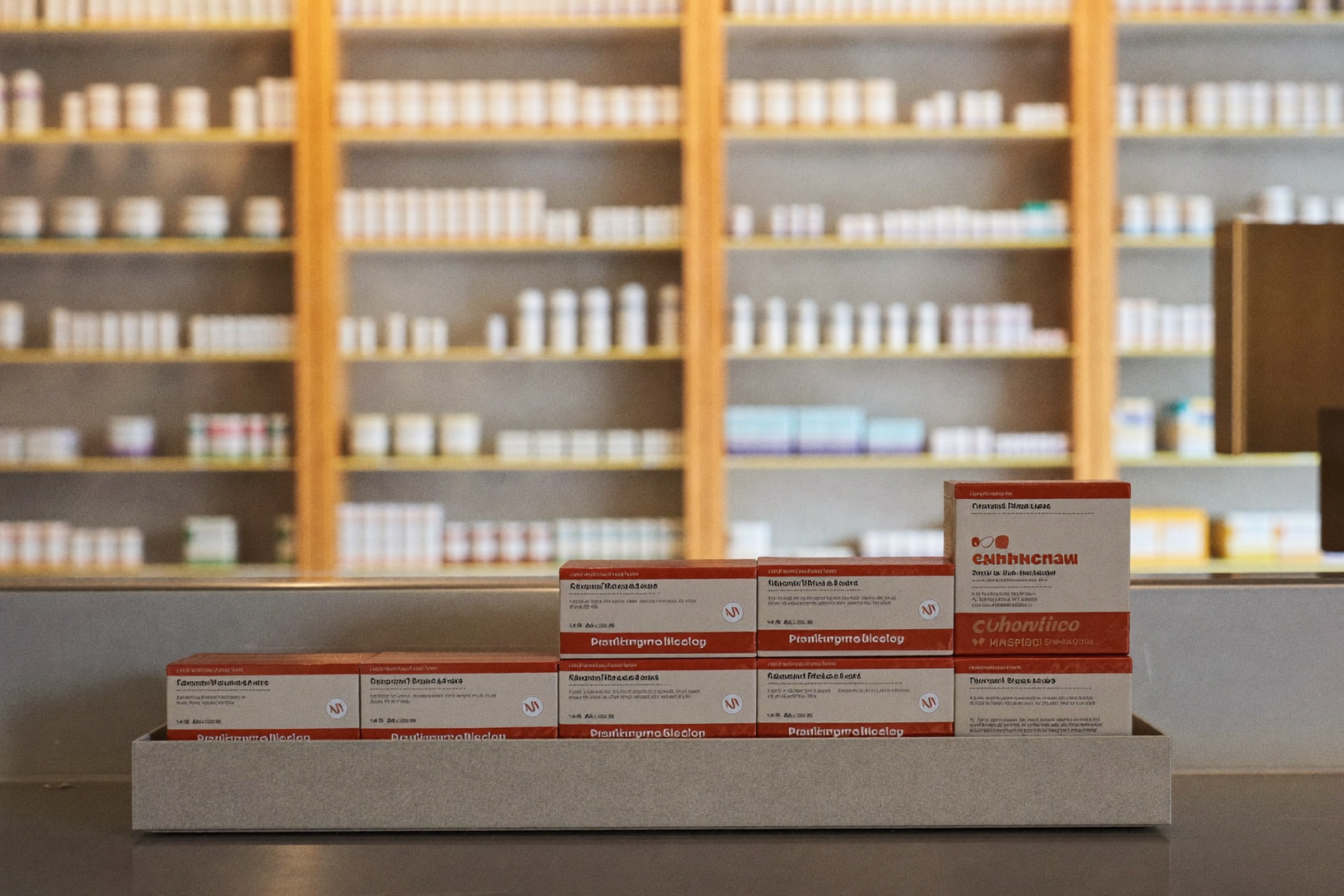
There is one part of this that sits close to what we do. If your trip is now going to be broken into shorter stays, or if you are applying for a visa to travel for longer, think about your medicines early. Repeat prescriptions are usually issued for a set period, often one or two months at a time. NHS rules limit how much can be supplied for travel, and longer supplies for extended trips are not automatic - they need a conversation with your GP practice, and sometimes a private prescription. Thailand also has strict rules about bringing certain medicines in, particularly strong painkillers, some ADHD medicines and some sleeping tablets. Medicines that are perfectly ordinary in the UK can be controlled there. We deliver prescriptions and help people keep on top of repeat orders, so we see the same problem every year: someone books a longer trip in September and discovers in November that they cannot get enough of their medicine in time. Starting that conversation with your GP or pharmacist four to six weeks before you fly usually solves it. Leaving it to the last week often does not.
Practical advice
Count your entries. If you have already entered Thailand twice this calendar year on the visa exemption, plan for a visa rather than assuming you will be waved through. Check your purpose honestly. A conference is business travel, not tourism, even if nobody is paying you. Apply for a visa through the Royal Thai Embassy rather than a third-party website. Unofficial visa sites charge more and sometimes get it wrong. Check your passport has at least six months left on it, and keep proof of onward travel and accommodation to hand. For medicines, take them in their original packaging with the pharmacy label showing your name. Carry a copy of your prescription or a letter from your GP. Check controlled-drug rules for Thailand on the FCDO page and with the Royal Thai Embassy before you fly. Never overstay, even by a day. The fine is the least of it. And take out travel insurance when you book, not when you leave. Cover for cancellation starts from the moment you buy it.
What to know
This is an update to our earlier coverage of Thailand's 30-day visa-free rule, which started on 15 September 2026, rather than a new announcement. The FCDO's updated advice, published on 18 September 2026, sets out a second restriction: visa-exempt entry for tourism is normally limited to two entries per calendar year. Business travel, including conferences and meetings, is not covered at all. Overstaying brings a fine of 500 baht a day up to 20,000 baht, possible detention, deportation at your own cost and a ban of up to 10 years. If Thailand is part of a bigger trip or a regular pattern for you, the two-entry limit is the detail that will bite first. And if you take regular medicines, give your GP practice four to six weeks' notice rather than four days. Sources: FCDO, "Thailand travel advice - Entry requirements", updated 18 September 2026, https://www.gov.uk/foreign-travel-advice/thailand/entry-requirements | GOV.UK, "Foreign travel advice: Thailand", https://www.gov.uk/foreign-travel-advice/thailand | NHS, "Can I get a repeat prescription for a holiday or travelling abroad?", https://www.nhs.uk/common-health-questions/medicines/can-i-get-a-repeat-prescription-early-or-for-a-longer-period/ This article is for general information and does not replace advice from a doctor, pharmacist or other qualified healthcare professional. Rules on entry and on carrying medicines can change - always check the current FCDO advice and the Royal Thai Embassy before you travel.
Related articles

Twenty separate flare-ups: the French mosquito season nobody expected
France has had an unusual mosquito season, and the figures are now in. Santé publique France, the country's public health agency, published its enhanced survei…
Fever, rash and sore joints: a northern virus turns up in Germany
The European Centre for Disease Prevention and Control has reported something that had not happened before: Germany's first known case of symptomatic Sindbis vi…
259 of them in one county: the dengue you can catch in Florida
On 12 October 2026, the UK's National Travel Health Network and Centre – the service behind TravelHealthPro – added dengue in the United States to its outbreak…