
Eating more eggs and peanuts in pregnancy did not stop babies getting allergies
What happened
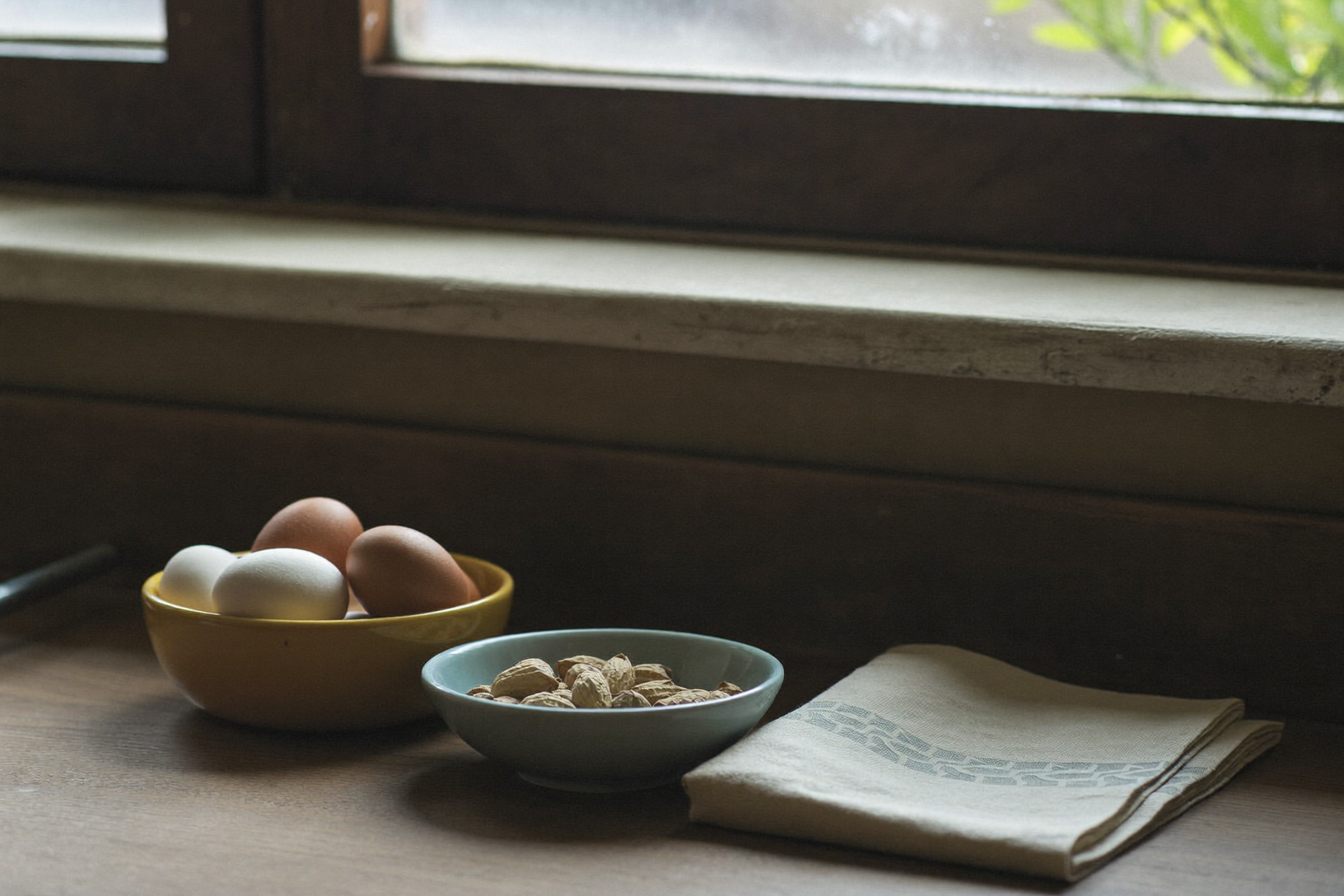
A large trial has tested a question that thousands of pregnant women have wondered about: if you eat more of the foods that commonly cause allergies, does your baby end up less likely to be allergic to them? The answer, from this trial, is no. The study was called PrEggNut. It was run in Adelaide, Melbourne, Perth and Sydney in Australia, and led by Dr Debra J. Palmer. The results were published in the New England Journal of Medicine on 18 September 2026. The researchers recruited 2,137 pregnant women. All of them were carrying one baby, were less than 23 weeks pregnant, and planned to breastfeed for at least four months. All of them had a higher-than-average chance of having a baby with allergies. Half were asked to eat a lot of the two foods being tested: at least six eggs and 60 peanuts a week. They kept this up from 23 weeks of pregnancy until four months after the birth, or until they stopped breastfeeding. The other half were asked to eat no more than three eggs and 30 peanuts a week. The babies were then tested for egg and peanut allergy at one year old.
Why this matters
Food allergy in children has become much more common over the past few decades, and nobody is entirely sure why. Advice to parents has swung back and forth. Twenty years ago, women were sometimes told to avoid peanuts during pregnancy. That advice was later dropped, because avoiding them did not appear to help. The idea behind PrEggNut was the opposite: that eating plenty of these foods might help a baby's immune system learn to accept them, through the womb and through breast milk. It was a reasonable idea. It just did not work. That is worth saying clearly, because a great deal of pregnancy advice circulates online without ever being properly tested. This one was tested, in more than two thousand women, and the result is now on the record.
What the evidence actually says
By the age of one, 83 out of 1,066 babies in the high-intake group had an egg or peanut allergy. That is 7.8%. In the standard group, it was 89 out of 1,064 babies, or 8.4%. That gap is tiny, and it was not statistically significant. In plain English: the difference is small enough that it could easily be chance. Breaking it down further gives the same picture. Egg allergy was 6.2% in the high-intake group and 7.2% in the standard group. Peanut allergy was 2.6% in both groups. The researchers also looked at whether the higher intake changed anything else, such as sensitisation, IgE-mediated allergy or a doctor's diagnosis of eczema. It did not, in either direction. It did not make things worse either. A few things to keep in mind. This was a single-blind trial, so the women knew which diet they had been asked to follow. Everyone in it was already at higher risk of allergy, so the findings apply most directly to those families. And the babies were followed to one year, not beyond. The research team's own conclusion was sensible. As the trial's write-up put it, the focus should be on evidence-based infant feeding guidance rather than asking mothers to take on another dietary burden.
Practical advice
If you are pregnant, you do not need to force down eggs and peanuts. This trial suggests it will not protect your baby from allergy. You also do not need to avoid them. Nothing here suggests eating them is harmful, and both are good sources of protein. Eat them if you like them, in normal amounts, as part of a varied diet. In the UK, pregnant women are advised to make sure eggs are British Lion stamped if eating them runny. The part that does have good evidence behind it happens after the birth. Current UK advice is to introduce common allergy foods, including well-cooked egg and smooth peanut butter, from around six months, alongside other solid foods, and then keep offering them regularly. Delaying does not help. If your baby already has severe eczema or a known food allergy, speak to your GP or health visitor before introducing these foods at home. And if you are unsure what counts as a reaction, ask. Health visitors deal with this question constantly and would far rather answer it early.
What to know
A trial of 2,137 pregnant women in Australia found that eating at least six eggs and 60 peanuts a week during pregnancy and breastfeeding did not reduce the chance of their baby having an egg or peanut allergy by age one. The rates were 7.8% and 8.4% - too close to call. The practical message is a relief rather than a worry. There is one less thing for pregnant women to police in their diet. The evidence for preventing food allergy still points at what happens after the birth: introducing common allergy foods from around six months and keeping them in the diet. Sources: New England Journal of Medicine, "Trial of a Maternal Diet Rich in Eggs and Peanuts to Reduce Infant Allergy", 18 September 2026, https://www.nejm.org/doi/abs/10.1056/NEJMoa2605659 | Medical Xpress, "Eating more eggs and peanuts while pregnant does not prevent infant allergies, clinical trial finds", 18 September 2026, https://medicalxpress.com/news/2026-09-eggs-peanuts-pregnant-infant-allergies.html | News-Medical, "Can maternal diet prevent infant food allergy? A large trial puts eggs and peanuts to the test", 17 September 2026, https://www.news-medical.net/news/20260917/Can-maternal-diet-prevent-infant-food-allergy-A-large-trial-puts-eggs-and-peanuts-to-the-test.aspx This article is for general information and does not replace advice from a doctor, pharmacist or other qualified healthcare professional.
Related articles

Six hours, not never: the ICU filter notice the MHRA issued today
The UK's medicines and devices regulator has issued a new safety notice to hospitals, and it is about timing. On 13 October 2026 the Medicines and Healthcare p…
Eight pages to a minister: what the data guardian says trust is worth
On 12 October 2026, the government published a letter about who should be trusted with NHS patient data. It was written by Dr Nicola Byrne, the National Data G…
Update: the tests came back, and it was not plague
This is a follow-up to a story we covered on 5 October, when nearly 200 people were being monitored after the death of a laboratory worker in Siberia. There has…