
One or two out of a hundred: England's salmon are vanishing from their own rivers
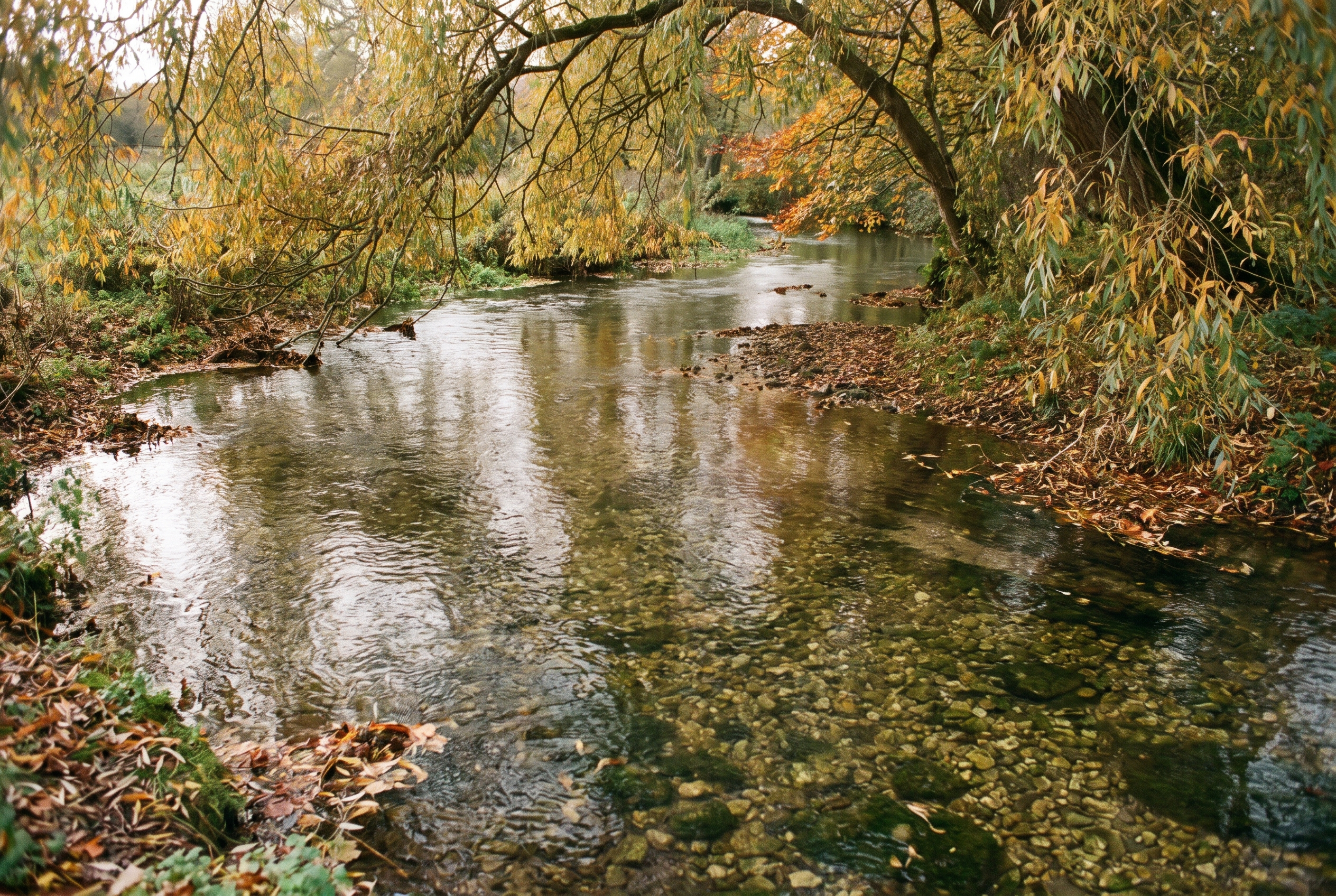
What happened
On 16 September 2026, the Environment Agency published figures showing that Atlantic salmon numbers in England have fallen to the lowest level ever recorded. The assessment was made with the Centre for Environment, Fisheries and Aquaculture Science, known as Cefas, and Natural Resources Wales. The headline number is stark. Of England's principal salmon rivers, 95% are now below sustainable population levels. The previous figure was 88%. Sustainable here means the number of fish needed for the population to keep itself going. The second number is harder to shake off. Salmon are born in rivers, swim out to sea, and come back years later to the same river to spawn. It has always been a brutal journey and most fish never make it. But the survival rate has collapsed. 'Where 15 to 20 salmon once returned from every 100 that went to sea, now it's as few as one or two,' said Philip Duffy, Chief Executive of the Environment Agency. The Agency points to several causes: not enough water in rivers, pollution, and damaged habitat. It also acknowledges that some of the problem happens far out at sea, where no single country has control. Alongside the figures, a set of commitments to 2032 was published: restore 2,282 hectares of peatland, clear or improve 105 barriers that block fish migrating, restore habitat at 252 sites, plant trees along 648 hectares of riverbank, and fund over 800 projects to reduce pollution.
Why this matters
You might reasonably ask why a fish you may never eat and probably never see should matter to you. The answer is that salmon are a test. They need cool, clean, well-oxygenated water, clear gravel beds to lay eggs in, and an unobstructed route from the hills to the sea and back. If any link in that chain breaks, they cannot complete their life cycle. That makes them one of the best single indicators we have of whether a river system is genuinely healthy. A river that cannot support salmon is usually a river with problems that affect a great deal more than salmon: low flows, warm water, silt smothering the gravel, sewage and farm run-off. Those same rivers are where people swim, paddle, walk dogs and fish. They feed reservoirs. They flood villages when they are mismanaged. There is also something worth saying plainly about loss. Salmon have returned to English rivers for thousands of years. They were once so common in some rivers that apprentices reportedly complained about being fed them too often. Going from that to one or two fish in a hundred, within living memory, is a large thing to have happened quietly.
What the evidence actually says
A few points give this more weight than a typical environmental headline. This is not a campaign group's estimate. It is the Environment Agency's own assessment, produced with Cefas and Natural Resources Wales, using long-running monitoring. Salmon are among the most closely counted fish in Britain, because rod catch returns and fish counters have been recorded for decades. That makes the trend unusually well documented. It is also honest about what England controls. The Agency does not blame everything on rivers. Conditions at sea - warming water, shifting food supplies - are part of the decline, and restoring an English river cannot fix the North Atlantic. Recognising that is a sign of a serious assessment rather than a simple one. On the other side, the commitments to 2032 should be read as commitments, not results. Numbers like 2,282 hectares and 105 barriers are specific, which is good, because specific targets can be checked. Whether they are delivered is a separate question, and one worth returning to. And there is real evidence that river restoration works. The Agency cites recovery on the River Trent and the River Ouse, where salmon have returned following targeted work. Both were once considered biologically dead in stretches. That is a genuine cause for hope, and it is not a hypothetical - it has already happened on English rivers within a generation. So the picture is: a well-measured, severe decline, with partly local and partly global causes, and a set of interventions that have been shown to work where they have been properly funded.
Practical advice
Most of this is beyond any individual. But rivers are one of the areas where ordinary people genuinely do make a difference, and a few of these are surprisingly direct. Be careful what goes down your drains. Wet wipes, cooking fat and cotton buds cause the blockages that lead to sewage spilling into rivers. Nothing but the three Ps - pee, poo and paper - should go down a toilet. This is not a token gesture; blockages are a leading cause of spills. Dispose of medicines properly. Never flush unused tablets or liquid medicines down the toilet or sink, and do not put them in the bin. Take them back to any pharmacy, which will dispose of them safely and free of charge. Medicine residues are a recognised pollutant in rivers. Think about your garden. Slug pellets, weedkillers and lawn feeds wash into watercourses when it rains. Using less, or none, has a direct effect on the nearest stream. Join a local river group if you have one. The Rivers Trust and local wildlife trusts run practical work parties: tree planting along banks, removing barriers, clearing silt. Riverbank tree planting is one of the cheapest ways to keep water cool, which is exactly what salmon need. Record what you see. Citizen science schemes for water quality and wildlife feed into real datasets, and volunteers cover far more river miles than any agency can. And if you fish, follow catch-and-release rules for salmon carefully. Most English rivers now require it.
What to know
Environment Agency figures published on 16 September 2026 show Atlantic salmon in England at their lowest recorded level. 95% of principal salmon rivers are below sustainable levels, up from 88%, and the return rate from sea has fallen from 15 to 20 fish per 100 to as few as one or two. The causes are a mix: too little water in rivers, pollution, damaged habitat, and changing conditions at sea that no one country can fix. Commitments to 2032 include restoring 2,282 hectares of peatland, improving 105 migration barriers, restoring 252 habitat sites, planting 648 hectares of riverbank trees and funding over 800 pollution projects. Recovery on the Trent and the Ouse shows this kind of work can succeed. What you can do is smaller but real: keep wipes and fat out of drains, return unused medicines to a pharmacy rather than flushing them, go easy on garden chemicals, and consider joining a local river group. Sources: GOV.UK, Environment Agency, 'Salmon numbers in England hit lowest level on record', 16 September 2026, https://www.gov.uk/government/news/salmon-numbers-in-england-hit-lowest-level-on-record. Centre for Environment, Fisheries and Aquaculture Science (Cefas), https://www.cefas.co.uk/. The Rivers Trust, https://theriverstrust.org/. This article is for general information and does not replace advice from a doctor, pharmacist or other qualified healthcare professional.
Related articles
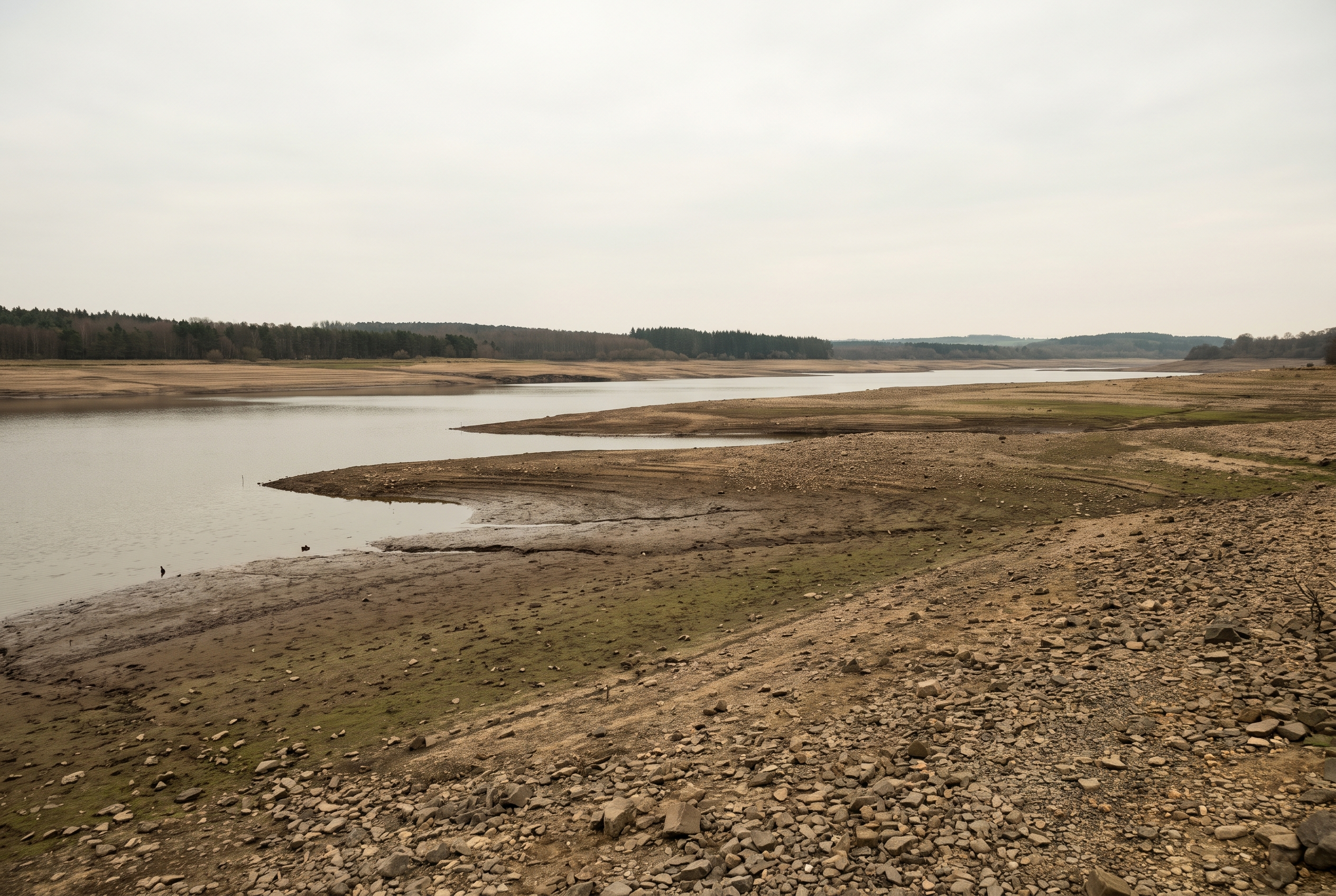
England needs 120% of normal rainfall over seven months to leave drought behind
The government, the Environment Agency and water company bosses met on 16 September 2026 to discuss how England gets out of drought. The headline number from t…
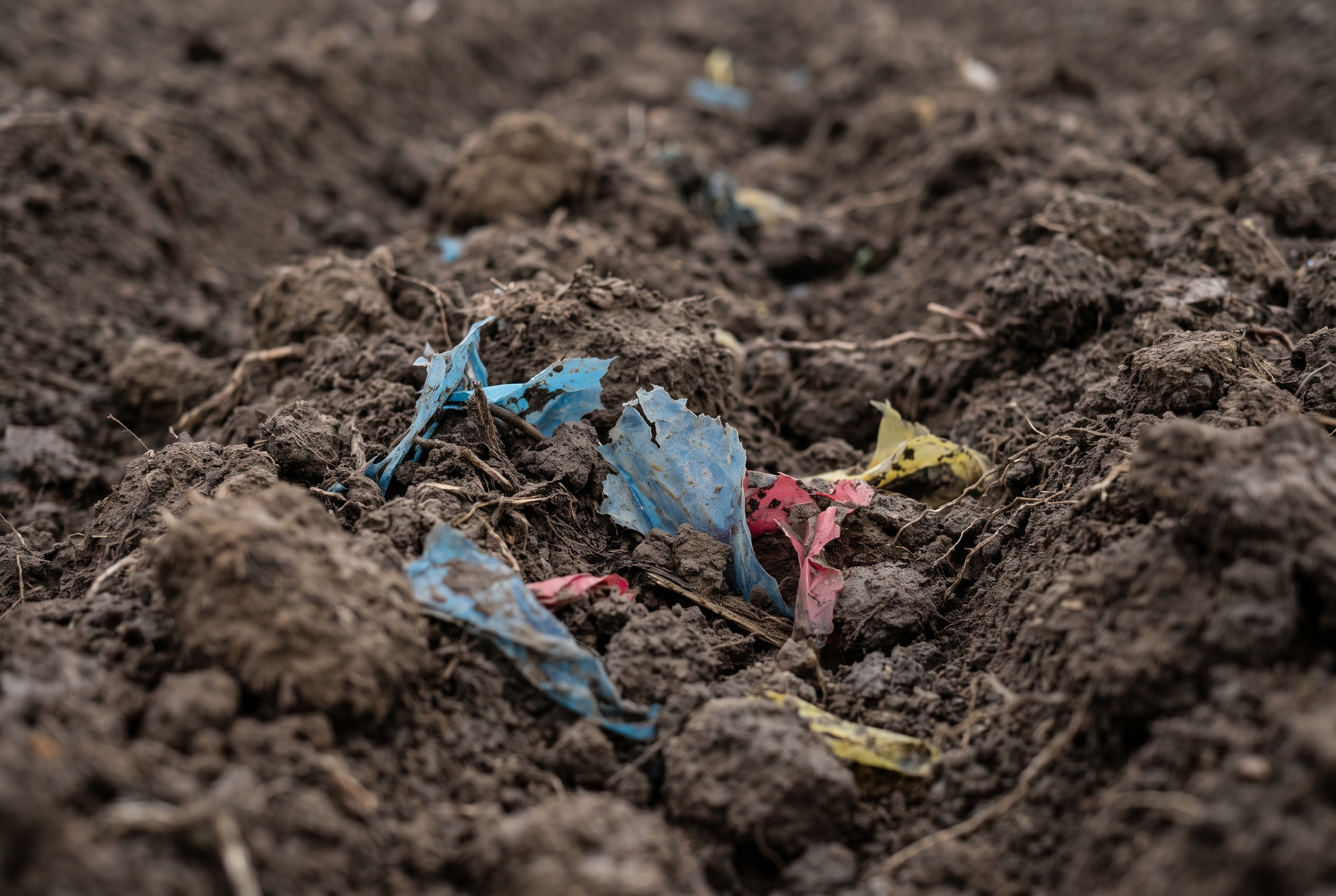
Microplastics were in every one of 227 farm fields tested across Europe
A five-year research project has found microplastics in the soil of every single agricultural field it tested. The EU-funded project tested 227 farm fields acr…
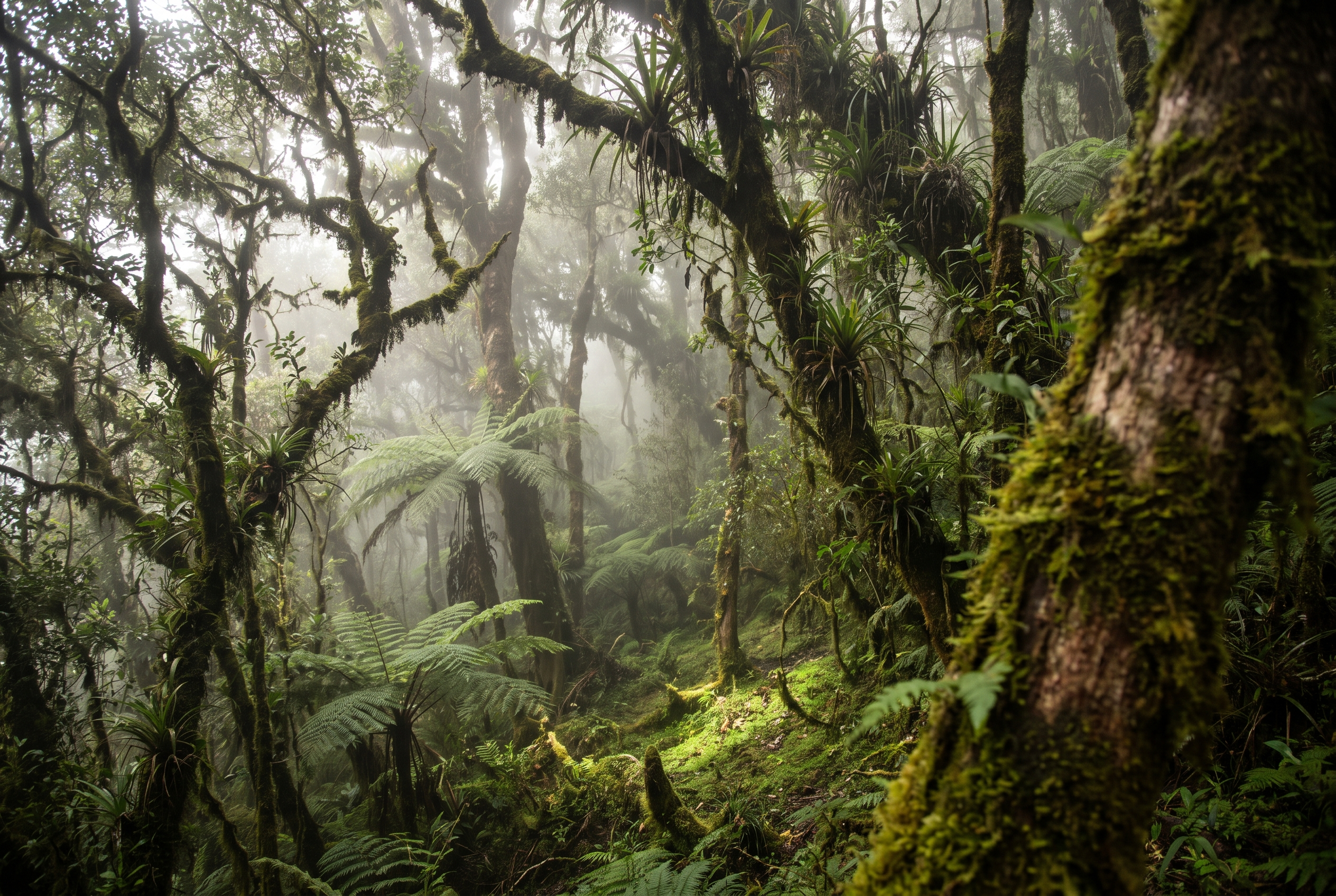
A wild cat smaller than your pet has just been named for the first time in a century
A small wild cat living in the cloud forests of Bolivia has been confirmed as a species nobody had formally described before. This is rarer than it sounds. It…