
Nine new sponges, and hundreds still unnamed: a glimpse of Alaska's deep sea
What happened
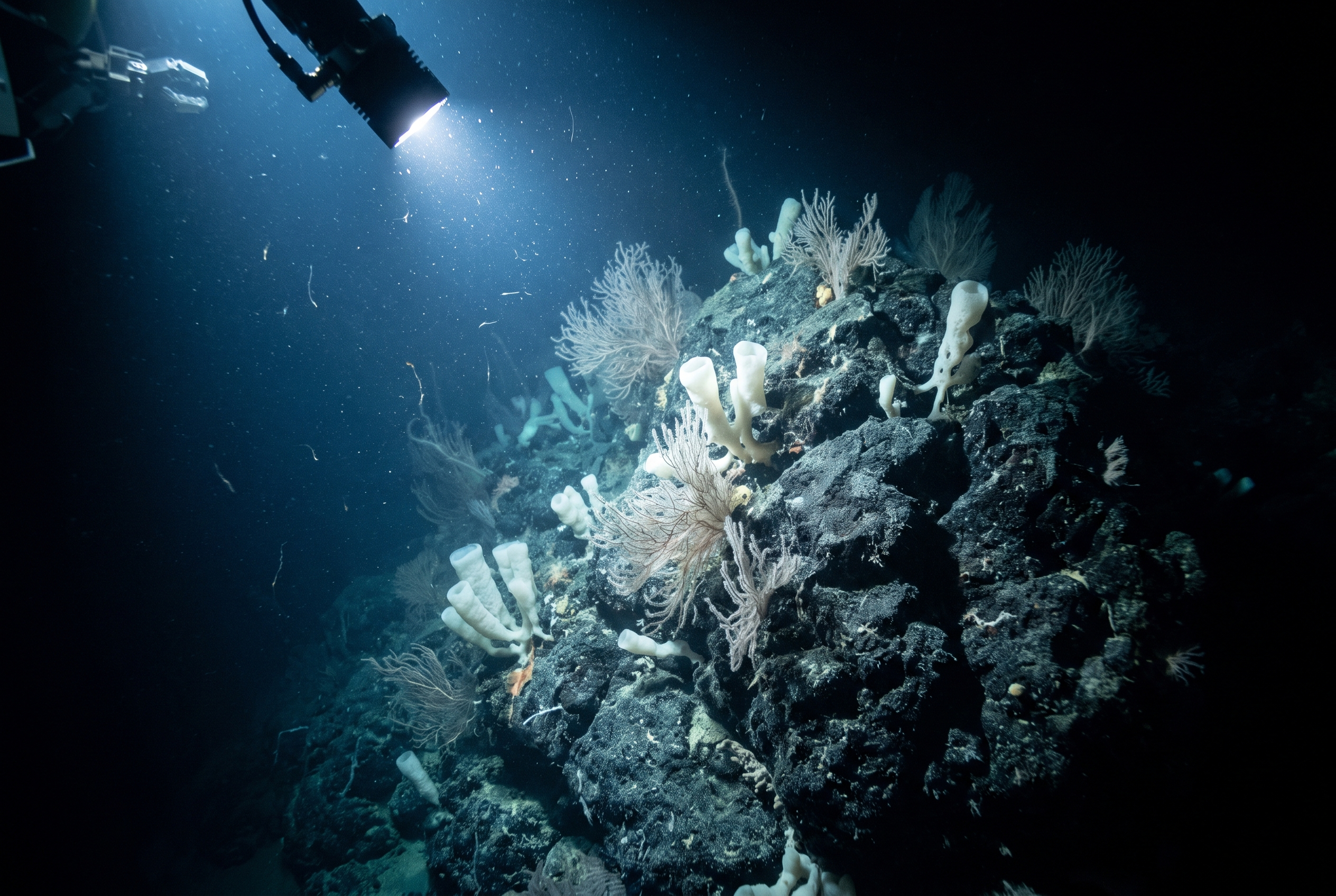
Scientists have described nine species of deep-sea sponge that had never been formally named before. All nine were found off the coast of Alaska. The discovery was reported on 14 September 2026. That brings the number of sponge species known in Alaskan waters to more than 232. Sean Rooney, a fisheries biologist with the United States National Oceanic and Atmospheric Administration and a co-author of the studies, said each new species opens up new doors. He added that there are probably hundreds more out there that nobody has identified yet. The work is part of a longer effort to survey Alaska's deep-sea coral and sponge habitats, which remain largely unexplored. Sponges are animals, not plants, though they do not look much like either. They sit fixed to the sea floor and feed by filtering water through their bodies.
Why this matters
A new sponge sounds like a small thing. It is worth understanding why marine scientists get excited about it. Deep-sea sponges build structure. On an otherwise bare sea floor, a sponge garden creates hiding places, nurseries and feeding grounds. Fish and crabs that people eat often depend on those habitats at some point in their lives. So knowing what lives where is not just cataloguing. It feeds directly into decisions about where fishing gear can be dragged and where seabed mining might be allowed. You cannot protect a habitat you have not mapped. Sponges are also of genuine interest to medicine. Because they cannot move or run away, many have evolved powerful chemical defences. Several real medicines have origins traced back to marine sponges, including compounds used in cancer treatment and antiviral drugs. That is not a promise about these particular nine. It is the reason researchers keep looking. There is a climate angle as well. Sponges and cold-water corals grow extremely slowly, and some individual specimens are centuries old. That makes them useful records of how deep ocean conditions have changed over time, in places where nobody was taking measurements. Damage to a habitat like that is not something that grows back within a human lifetime.
What the evidence actually says
This is careful, unglamorous taxonomy, and it is worth being clear about what it does and does not show. Describing a new species means collecting specimens, examining their structure in detail, comparing them against everything already named, and publishing the description so others can check it. It is slow work. Nine new species in one region is a solid contribution, not a revolution. The more striking claim is the one about how much remains unknown. When a researcher says there are probably hundreds more species undescribed in a single American state's waters, that tells you how thin our knowledge of the deep sea really is. It is a reminder to be cautious about confident statements regarding deep-ocean ecosystems generally. We are still at the stage of finding out what is down there. On the medical angle, it is worth resisting overstatement. Sponges have produced useful compounds. The path from a chemical found in a sponge to an approved medicine is long, expensive and mostly unsuccessful. This discovery does not mean a new drug is coming.
Practical advice
There is no action required here, but a few things follow from it. **Treat deep-sea claims with a bit of scepticism.** Whether the claim is that seabed mining is harmless or that it is catastrophic, remember that the baseline data is still being gathered. **If you buy seafood, the label can tell you something.** Certification schemes such as the Marine Stewardship Council consider habitat damage as part of their assessment. It is an imperfect signal, but it is better than none. **Take children rock-pooling.** British shores have their own sponges, sea squirts and anemones, and an autumn low tide is a good time to look. Check tide times, go with the tide going out, and put everything back where you found it. **Follow the research directly if you enjoy this.** NOAA publishes its deep-sea expedition findings publicly, and some dives are streamed live. **Do not eat or collect marine organisms for their supposed health properties.** Interest in sponge chemistry is a laboratory matter. Nothing here supports taking marine supplements for any medical purpose.
What to know
Researchers have formally described nine new deep-sea sponge species off Alaska, bringing the state's known total to more than 232. NOAA fisheries biologist Sean Rooney said hundreds more species are likely still undescribed. Deep-sea sponges create habitat that commercially important fish and shellfish rely on, so mapping them matters for decisions about fishing and seabed mining. Sponges have historically been a useful source of medically interesting compounds, but that is a long-term research interest, not a treatment available now. Sources: The Guardian, 'Scientists find nine new sponge species in glimpse of Alaska's deep-sea diversity', 14 September 2026, https://www.theguardian.com/us-news/2026/sep/14/deep-sea-sponges-discovery-mining-fishing; NOAA Fisheries, 'Discovering Deep-Sea Sponges in Alaska', https://www.fisheries.noaa.gov/feature-story/discovering-deep-sea-sponges-alaska; NOAA Fisheries, 'NOAA Launches New Season of Discovery in Alaska's Deep-Sea Coral and Sponge Ecosystems', https://www.fisheries.noaa.gov/feature-story/noaa-launches-new-season-discovery-alaskas-deep-sea-coral-and-sponge-ecosystems. This article is for general information and does not replace advice from a doctor, pharmacist or other qualified healthcare professional.
Related articles

Do you feel guilty calling in sick? Almost everyone does, and here is why
The BBC looked on 15 September 2026 at a question most of us have asked ourselves: why does calling in sick feel so uncomfortable? As many as half of people re…
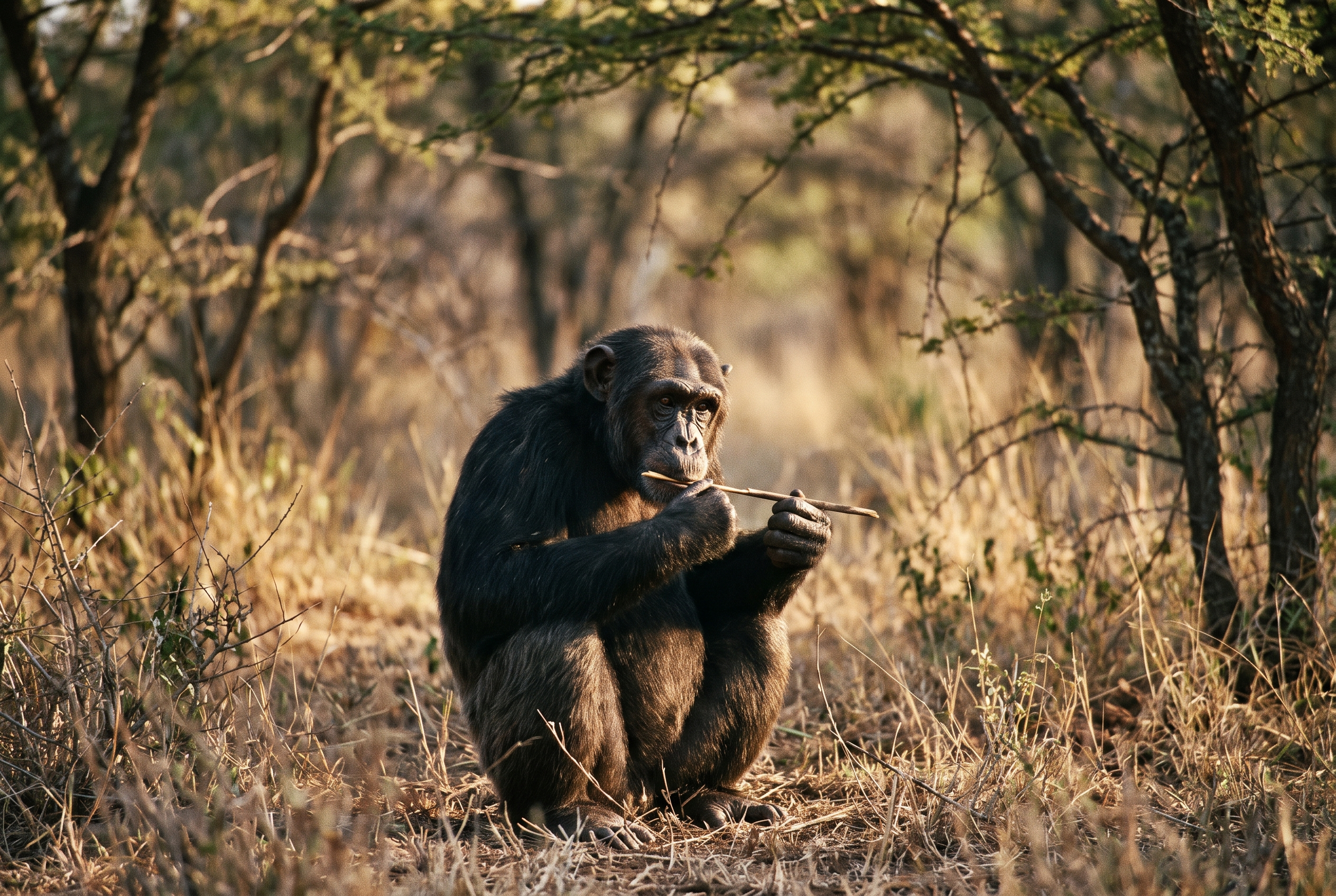
Watch, then have a go: chimpanzee mothers are teaching their young to use tools
Researchers studying wild chimpanzees in Senegal have recorded adults deliberately teaching youngsters how to use tools. The study was published in the journal…