
Spain has recorded 104 West Nile virus cases. What holidaymakers should know
What happened
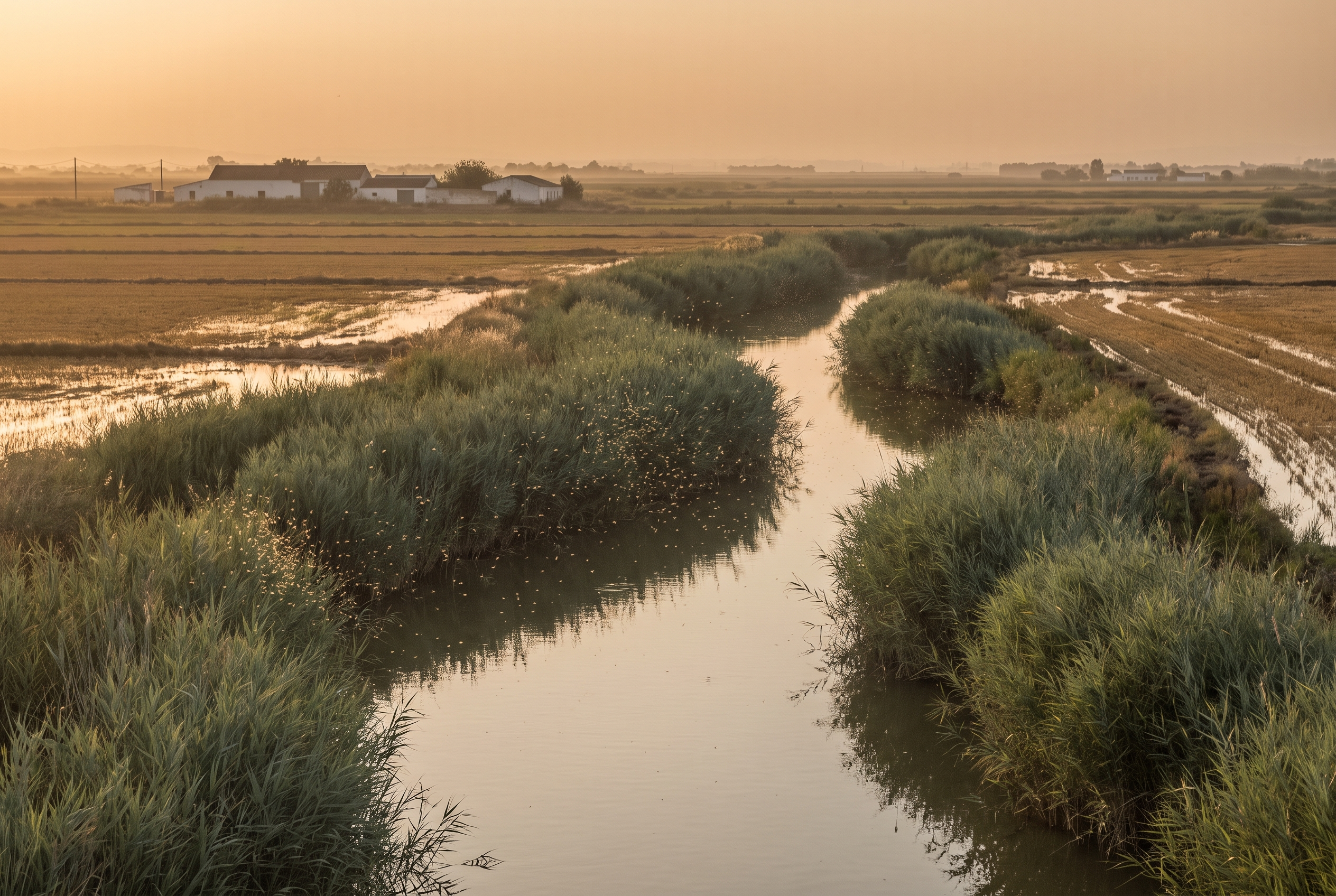
Spain has reported 104 locally acquired cases of West Nile virus this season, spread across five affected areas. The figure was published in outbreak surveillance by NaTHNaC, the UK's National Travel Health Network and Centre, on 11 September 2026, reflecting data as of 10 September. It draws on European Centre for Disease Prevention and Control surveillance, which tracks West Nile cases across Europe week by week. "Locally acquired" is the key phrase. It means people caught the virus in Spain, from mosquitoes there, rather than bringing it back from somewhere else. The main hotspot has been Andalusia, and within it the lower Guadalquivir valley in Seville and Cadiz provinces. This is an area of wetlands and rice fields, which is ideal mosquito habitat. Regional authorities placed dozens of municipalities on alert during the season after detecting human cases or finding the virus circulating among mosquitoes, birds or horses. Deaths have been reported. Euronews reported on 28 August 2026 that an 89-year-old man in Seville had died, describing it as the second death of the season. Spain is not alone. NaTHNaC listings from the same period record locally acquired West Nile cases in France and the Netherlands as well, and the virus has been reported across several European countries this summer. NaTHNaC's alert level for Spain is "take usual precautions".
Why this matters
Spain is the single most popular overseas destination for British holidaymakers, with millions of visits a year. Andalusia, Seville and the Costa de la Luz are firmly on the list. So this is not an exotic warning about somewhere far away. It is about a place a great many readers will visit, possibly this autumn. The reassuring part is the nature of the illness. Around eight in ten people infected with West Nile virus have no symptoms at all. Most of the rest get something that feels like flu: fever, headache, aching muscles, sometimes a rash, lasting a few days. They recover without treatment. A small proportion, generally estimated at less than one in a hundred infections, develop serious illness affecting the brain or spinal cord. That risk is concentrated heavily in people over 60 and those with weakened immune systems or conditions like diabetes, kidney disease or cancer. The death reported in Seville was in a man of 89, which fits that pattern. That is the honest shape of it: very common to be unaffected, rare to be seriously ill, and the seriousness is concentrated in older and more vulnerable travellers. It matters practically because there is no vaccine for humans and no specific treatment. The only protection is not being bitten. That is a manageable problem, and the measures are the same ones that stop you being bitten anywhere.
What the evidence actually says
A few things are worth putting in proportion. The 104 figure is confirmed, laboratory-diagnosed cases. Because most infections cause no symptoms, the true number of people infected is far higher, probably by a large multiple. That sounds alarming but actually cuts the other way: it means the proportion of infections causing serious illness is lower than a raw case-fatality figure would suggest. West Nile virus is not new to Spain. It has circulated in the Guadalquivir valley for years, with a significant outbreak in Andalusia in 2020. Season-to-season numbers vary with weather, particularly rainfall and temperature, which drive mosquito populations. A higher year is not necessarily a sign of a permanent change, though warmer conditions across southern Europe are extending mosquito seasons in general. It is also worth knowing how the virus actually spreads, because this is widely misunderstood. West Nile circulates between mosquitoes and birds. People and horses are what scientists call dead-end hosts: we can catch it, but we do not pass it on to other mosquitoes, and we cannot give it to each other through ordinary contact. You cannot catch West Nile from another traveller. NaTHNaC's alert level of "take usual precautions" is a meaningful signal. It is the lowest of its tiers. The agency is not telling people to avoid Spain, change plans or take special measures beyond ordinary mosquito bite avoidance. The mosquitoes involved, of the Culex group, are most active from dusk until dawn. That is the single most useful practical fact in this article.
Qurexa perspective
The part of travel health we get asked about most is not vaccines. It is medicines. People heading abroad regularly discover, a few days before flying, that their repeat prescription will run out mid-holiday, or that they need a letter for something they carry, or that they have no idea whether a medicine makes them more sensitive to sun. That last point is genuinely relevant on a Spanish holiday. Several common medicines increase sun sensitivity, including some antibiotics, some diuretics and some treatments for acne and arthritis. Your pharmacist can tell you in a minute whether any of yours are on that list. Qurexa delivers NHS prescriptions across Lincolnshire, and the useful thing to know is simply this: order your repeat well before you travel, not the week you go. Two weeks' notice turns a potential holiday problem into a non-event. If you would like a hand working out timings around a trip, ask a pharmacist. It is a very ordinary question and we would much rather answer it before you fly than after.
Practical advice
**Cover up at dusk and dawn.** Culex mosquitoes bite mainly between sunset and sunrise. Long sleeves and long trousers in the evening do more than anything else on this list. **Use an insect repellent that works.** Look for one containing DEET at 20 to 50 per cent, or picaridin. Apply it after sunscreen, not before, and reapply as the label says. Repellents from a pharmacy are far more reliable than wristbands, patches or ultrasonic devices, none of which have good evidence behind them. **Use air conditioning or screens at night.** If your room has neither, a mosquito net over the bed works. Mosquitoes get in through open windows at exactly the hours they are hunting. **Empty standing water near where you are staying.** Plant saucers, buckets, unused paddling pools and blocked drains breed mosquitoes within days. **Take extra care if you are over 60 or have a long-term condition.** This is where serious illness concentrates. The precautions do not change; the reason for being consistent about them does. **Know when to get medical help.** A few days of fever and aches after mosquito bites is usually nothing. Get urgent medical attention for a severe headache with a stiff neck, confusion, drowsiness, seizures, or new muscle weakness. Those are the signs of the rare serious form, and they need assessment straight away, whether you are abroad or back home. **Mention recent travel to any doctor you see.** If you become unwell within two weeks of returning, say where you have been. It changes what they test for. **Carry your GHIC and travel insurance.** A UK Global Health Insurance Card gives access to state healthcare in Spain on the same terms as residents. It is free from the NHS website and is not a substitute for travel insurance, which covers things the GHIC does not, such as repatriation.
What to know
Spain has recorded 104 locally acquired West Nile virus cases this season across five areas, with the Seville and Cadiz wetlands the main hotspot and at least two deaths reported in the Seville area by late August. France and the Netherlands have also reported local cases this summer. NaTHNaC's alert level for Spain is "take usual precautions", its lowest tier. Most people infected notice nothing. Serious illness is rare and concentrated in people over 60 and those with weakened immunity. There is no vaccine and no specific treatment, so avoiding bites is the whole strategy. That strategy is short: cover up from dusk to dawn, use a proper DEET or picaridin repellent, sleep behind screens or a net, and get urgent help for severe headache, stiff neck, confusion or weakness. None of this is a reason to cancel a trip to Spain. It is a reason to pack repellent and use it in the evenings. Sources: NaTHNaC TravelHealthPro, "Spain: West Nile virus" outbreak surveillance, 11 September 2026, https://travelhealthpro.org.uk/outbreaks ; European Centre for Disease Prevention and Control, "Surveillance of West Nile virus infections in humans in Europe, weekly report", September 2026, https://wnv-weekly.ecdc.europa.eu/ ; Euronews, "West Nile virus hits Seville: 89-year-old man dies, second death this season", 28 August 2026, https://www.euronews.com/health/2026/08/28/west-nile-virus-hits-seville-89-year-old-man-dies-second-death-this-season This article is for general information and does not replace advice from a doctor, pharmacist or other qualified healthcare professional. If you develop a severe headache, stiff neck, confusion or muscle weakness after travelling, seek urgent medical attention.
Related articles
Measles in the US: a fourth death, and what UK travellers should check
Pennsylvania has reported a fourth measles-related death this year, in an outbreak that has been growing through 2026. The death was reported on 15 September 2…

No more changing at Crewe: Birmingham is getting direct trains to Manchester Airport
Birmingham is getting a direct train to Manchester Airport again, after decades without one. London Northwestern Railway announced the plan in mid-September 20…
Heathrow's third runway only works if airlines pay to clean up, advisers say
The government's official climate advisers have said Heathrow cannot expand under current policies without the UK missing its legal climate targets. The Climat…