
Protests are planned in Kinshasa on 15 September. What travellers should do
What happened
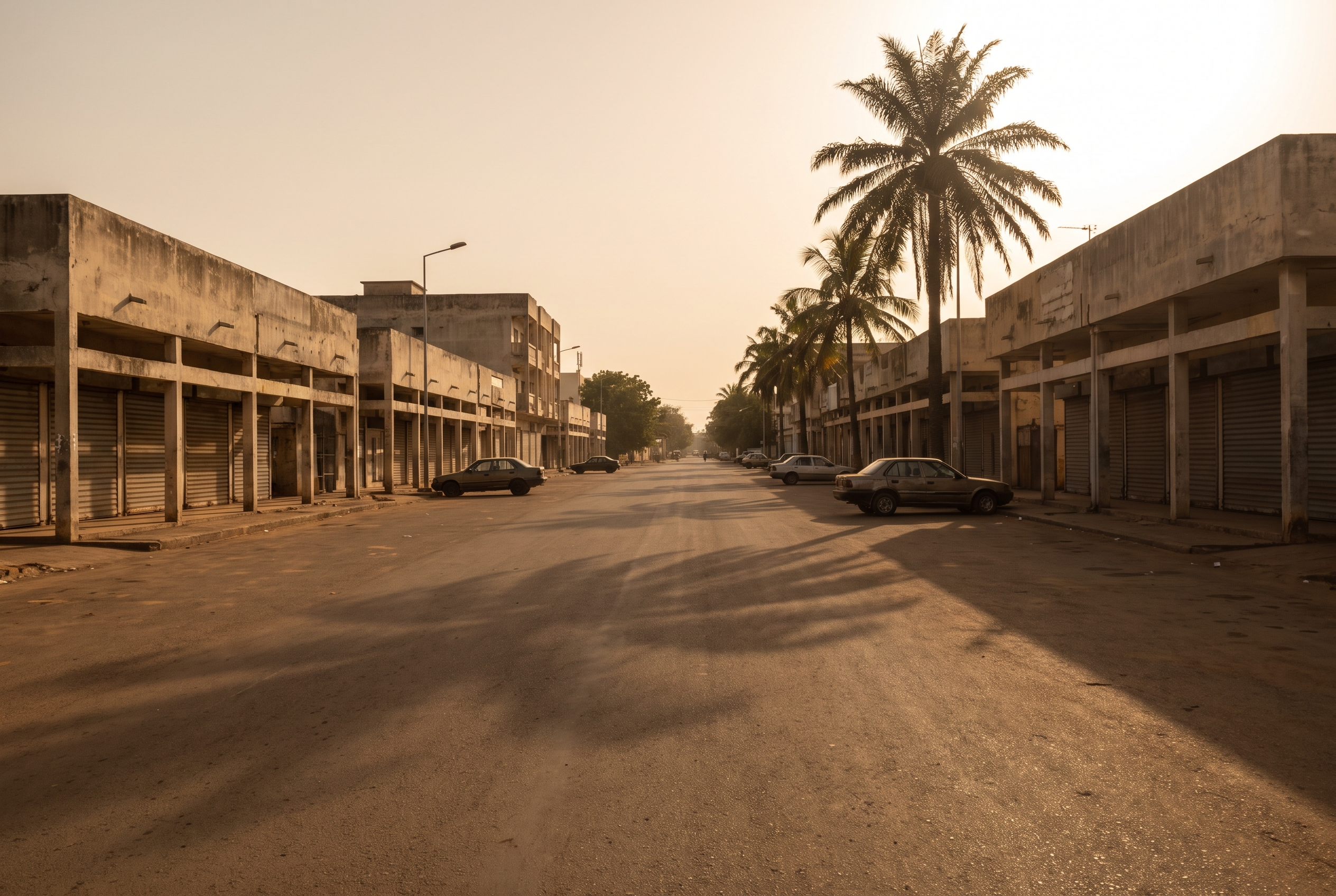
The Foreign, Commonwealth and Development Office, usually shortened to the FCDO, has added information to its travel advice for the Democratic Republic of the Congo about protests planned in Kinshasa on 15 September 2026. Kinshasa is the country's capital and one of the largest cities in Africa. The addition appears in the safety and security section of the advice. This sits within a much broader set of warnings for the DRC. The FCDO advises against all travel to parts of the country, and against all but essential travel to other parts. The areas subject to the strongest warnings are mainly in the east: North and South Kivu, Ituri, Haut-Uele, Maniema, Tanganyika and Haut-Lomami. The FCDO describes the situation in the east as highly unstable and unpredictable, noting that M23 rebels and Rwanda Defence Forces have captured major cities including Goma and Bukavu. It also warns that British government support is limited outside Kinshasa, which is an important practical point: if something goes wrong in a remote part of the country, help may be a long way off. The protest notice is a separate, shorter-term matter. It is the kind of update the FCDO issues routinely when demonstrations are announced in advance, so that travellers already in the country or arriving imminently can plan around them.
Why this matters
Most British travellers will never go to the DRC, and this advice will not apply to them. But there is a general lesson in how this kind of notice works that is worth understanding, because the same pattern applies to countries people do visit. Planned protests are usually peaceful. The reason foreign ministries flag them is not that violence is expected, but that large gatherings cause three predictable problems for visitors. The first is movement. Roads close, sometimes at short notice and without announcement. Routes to airports are frequently affected, because airport roads are main arteries. The second is that peaceful demonstrations can change character quickly, particularly where policing is robust. Being in the wrong street at the wrong moment is a risk of position rather than intent. The third is insurance. This is the one that catches people out. If the FCDO advises against travel to a place and you go anyway, most UK travel insurance policies become invalid for that trip. Not reduced. Invalid. That includes medical cover, which in a country with limited healthcare and expensive medical evacuation is a very serious exposure. For anyone in Kinshasa this week on business, aid work or family visits, the practical response is simple and does not require alarm: know where the demonstrations are expected, and be somewhere else.
What the evidence actually says
It is worth being precise about what this notice is and is not. It is an advisory addition to existing travel advice, noting that protests are planned. It is not a warning that violence is expected, and it is not a change to the overall advice level for the country. The FCDO's country advice is graded, and that grading matters more than any single update. "Advise against all travel" and "advise against all but essential travel" are the two levels that affect insurance and, in practice, whether an employer will let you go. Neither of those has changed here because of the protests. It is also worth saying that the major security concerns in the DRC are in the east of the country and relate to armed conflict, which is a quite separate matter from a planned demonstration in the capital. Conflating the two would give a misleading impression of Kinshasa. The FCDO updates country pages frequently, sometimes several times a month, and most updates are minor. The value is not in any one notice. It is in checking the page shortly before you travel, because the page is the thing insurers and employers refer to. One limitation to be aware of: advice about a planned protest is only as good as the plan. Demonstrations get postponed, extended, moved or joined by others. Treat the date as a signal to pay attention around that time, not as a precise schedule.
Practical advice
**If you are in Kinshasa, avoid demonstrations entirely.** This is the standard advice from every foreign ministry and it is standard because it works. Do not go to watch, and do not photograph them. Photographing protests or security forces can attract serious attention in many countries. **Allow much more time for journeys around 15 September,** especially to and from the airport, and have an alternative route in mind. **Keep some cash, water and any essential medicines with you.** If you are held up for several hours by a road closure, those are the three things you will want. Do not leave medicines at your hotel while you are out for the day. **Register for FCDO travel advice email alerts** for any country you are visiting. They are free, arrive when the page changes, and take a minute to set up on the GOV.UK travel advice page. **Check your insurance against the advice level before you book, not after.** If the FCDO advises against travel to where you are going, ring your insurer and ask directly whether you are covered. Specialist policies exist for people who must travel to such places for work. **Sort out health preparation early for the DRC.** It is a yellow fever risk country and proof of vaccination is commonly required for entry. Malaria precautions are essential. Both need planning several weeks ahead, and a travel health appointment is the right starting point. **Take enough of your regular medicines, plus extra.** If your return is delayed by disruption, you do not want to be short. Carry them in their original packaging with a copy of your prescription.
What to know
The FCDO has added information to its DRC travel advice about protests planned in Kinshasa on 15 September 2026. The country's overall advice remains unchanged: against all travel to parts of the DRC and against all but essential travel to others, with the strongest warnings covering eastern provinces where the situation is described as highly unstable. If you are in Kinshasa, avoid gatherings, allow extra time for travel, and keep medicines and cash with you. If you are planning any trip abroad, the transferable lesson is to check the FCDO page close to departure and to confirm your insurance matches the advice level, because travelling against FCDO advice usually voids cover including medical. Sources: GOV.UK Foreign travel advice, "Democratic Republic of the Congo", updated September 2026, https://www.gov.uk/foreign-travel-advice/democratic-republic-of-the-congo ; GOV.UK Foreign travel advice index, https://www.gov.uk/foreign-travel-advice ; NaTHNaC TravelHealthPro, country information and outbreak surveillance, https://travelhealthpro.org.uk/ This article is for general information and does not replace advice from a doctor, pharmacist or other qualified healthcare professional. Speak to a travel health clinic or your pharmacist well before travelling about vaccinations and malaria prevention.
Related articles
Measles in the US: a fourth death, and what UK travellers should check
Pennsylvania has reported a fourth measles-related death this year, in an outbreak that has been growing through 2026. The death was reported on 15 September 2…
No more changing at Crewe: Birmingham is getting direct trains to Manchester Airport
Birmingham is getting a direct train to Manchester Airport again, after decades without one. London Northwestern Railway announced the plan in mid-September 20…
Heathrow's third runway only works if airlines pay to clean up, advisers say
The government's official climate advisers have said Heathrow cannot expand under current policies without the UK missing its legal climate targets. The Climat…