
Train cancelled? From 20 September your ticket works on another operator
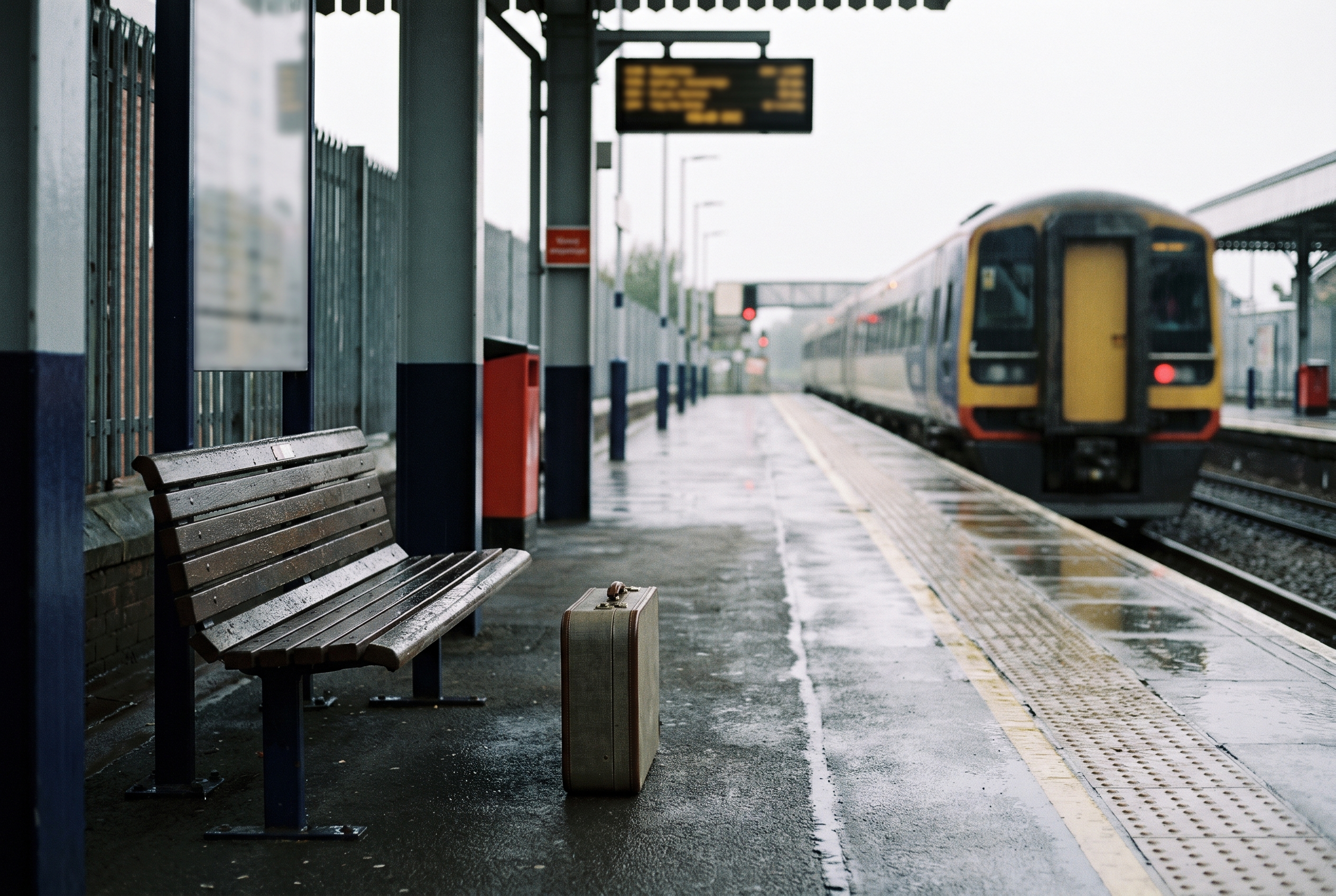
What happened
The government announced on 14 September 2026 that a long-requested change to rail ticketing arrives this month. From 20 September 2026, if your train is cancelled, you can get on another operator's service and carry on your journey without paying again. The rules are straightforward. If you hold a valid ticket and your train is cancelled, you may travel on another participating operator's train departing within two hours before or after your original service, using a direct or reasonable alternative route. Your original ticket is the proof of purchase. You do not need to download a new one or queue at a ticket office. The scheme brings in a long list of operators: c2c, Gatwick Express, Greater Anglia, Great Northern, LNER, London Northwestern Railway, Northern, Southeastern, Southern, Thameslink, South Western Railway, TransPennine Express, West Midlands Railway, Avanti West Coast, Chiltern Railways, CrossCountry and Great Western Railway. East Midlands Railway will join later. Lord Hendy, the Rail Minister, described it as "a simple, common-sense change that puts passengers first", adding: "No one should be left stranded because of a fragmented railway when their journey is disrupted." Alex Robertson, Chief Executive of the passenger watchdog Transport Focus, said: "This is a welcome change that we have long called for and should make it easier for people when services are cancelled."
Why this matters
Anyone who has stood on a platform watching their train vanish from the board knows the next bit. There is another train to roughly where you are going, operated by a different company, and your ticket is not valid on it. So you either wait, or you buy a second ticket for a journey you have already paid for. Until now, whether your ticket was accepted depended on whether the two companies had agreed something between them, often decided at short notice and announced inconsistently. Staff on the platform did not always know. Passengers certainly did not. Britain's railway is run by many different operators sharing the same track. That is invisible when things go well and painfully obvious when they do not. This change does not fix the fragmentation, but it takes one of its sharpest edges off. It is also a change that particularly helps people who cannot easily absorb a delay: someone travelling to a hospital appointment, a carer with a fixed handover time, a parent collecting a child, or anyone who simply cannot afford to buy a second ticket on the spot. The two-hour window in both directions is a useful detail. It means you can take an earlier train from another operator if one is about to leave, not just a later one.
What the evidence actually says
This is a policy announcement with a firm start date, not a study, so the main thing to check is scope. What it covers: cancelled services on participating operators, with your existing valid ticket, on another participating operator's train within two hours either side, by a direct or reasonable alternative route. What is less clear from the announcement, and worth checking before you rely on it, is how it treats a few common situations. Advance tickets, which are tied to a specific train, have historically been the most restricted, and passengers with them are the ones who most often get stung. Seat reservations will not transfer, so you may be standing. And "reasonable alternative route" is a judgement, not a fixed list. East Midlands Railway is not in at the start, so if your journey involves that operator, do not assume the scheme applies yet. The scheme also covers cancellations. Severe delays are a separate matter, and the announcement as reported concerns cancelled trains. None of this is a criticism. It is a genuine improvement with a clear rule and a named start date, and both the minister and the independent passenger watchdog have described it in similar terms. It is simply worth knowing the edges, because the moment you need this is the moment you are stressed and in a hurry. Importantly, this does not replace your existing rights. Delay Repay compensation, and the right to a refund if you choose not to travel because of disruption, still apply as before.
Practical advice
**Keep your original ticket, whatever happens.** It is your proof of purchase for the new train and your evidence for any compensation claim afterwards. If it is a paper ticket, do not let a barrier swallow it; ask staff. **Check the board and the app before you move.** The two-hour window is generous, but you need a train that actually goes where you are going by a sensible route. **Tell a member of staff what you are doing.** Most will already know about the scheme after 20 September, but a brief "my service was cancelled, I'm using the cross-operator rule" avoids awkwardness on board. **Claim Delay Repay anyway.** Getting on another train does not cancel your right to compensation if you still arrive late. Claims go to the operator you were originally booked with, usually within 28 days, and take a few minutes online. **If you are travelling to a medical appointment, build in slack.** This is the quiet lesson of every rail disruption story. An hour of spare time costs you a coffee and a wait. Missing an appointment can cost months. **Carry your medicines in your hand luggage, not in a case in the rack.** If a journey goes wrong, you want anything you take on a schedule, such as insulin, inhalers or heart tablets, actually with you. **If you need assistance, book Passenger Assist.** It can be arranged up to two hours before travel, and staff will help you transfer between operators during disruption, which is exactly when it is hardest to manage alone.
What to know
From 20 September 2026, a cancelled train no longer has to mean buying a second ticket. Your existing valid ticket will be accepted on another participating operator's service departing within two hours before or after the one you lost, by a direct or reasonable alternative route. Seventeen operators are in from the start, with East Midlands Railway joining later. Seat reservations will not carry over, advance tickets have historically been the most restricted, and the scheme covers cancellations. Your separate rights to Delay Repay and to a refund are unaffected. The practical version is short: if your train is cancelled, do not buy another ticket. Check the board, find a participating operator going your way within two hours, keep your original ticket, and claim your compensation afterwards. Sources: GOV.UK, "Your cancellation's covered: new scheme to help stranded rail passengers arrives this weekend", 14 September 2026, https://www.gov.uk/government/news/your-cancellations-covered-new-scheme-to-help-stranded-rail-passengers-arrives-this-weekend ; RailBusinessDaily, "New scheme to help rail passengers affected by cancellations arrives this weekend", September 2026, https://news.railbusinessdaily.com/new-scheme-to-help-rail-passengers-affected-by-cancellations-arrives-this-weekend/ ; National Rail, "Delay Repay", https://www.nationalrail.co.uk/delays-and-disruption/ This article is for general information and does not replace advice from a doctor, pharmacist or other qualified healthcare professional. If you take medicines on a schedule, carry them with you when you travel.
Related articles
Measles in the US: a fourth death, and what UK travellers should check
Pennsylvania has reported a fourth measles-related death this year, in an outbreak that has been growing through 2026. The death was reported on 15 September 2…
No more changing at Crewe: Birmingham is getting direct trains to Manchester Airport
Birmingham is getting a direct train to Manchester Airport again, after decades without one. London Northwestern Railway announced the plan in mid-September 20…
Heathrow's third runway only works if airlines pay to clean up, advisers say
The government's official climate advisers have said Heathrow cannot expand under current policies without the UK missing its legal climate targets. The Climat…