
A third of the UK's official nutrition advisers still have food industry links

What happened
The BMJ has taken a fresh look at who advises the UK government on what we should eat, and found that a substantial number of those advisers have financial links to large food companies. The committee in question is the Scientific Advisory Committee on Nutrition, usually shortened to SACN. It is the expert group that advises UK health departments on diet and nutrition. Its recommendations feed into official guidance on things like sugar, fibre, vitamin D and infant feeding. If you have ever seen an NHS page telling you how much free sugar an adult should have in a day, SACN's work sits somewhere behind it. The BMJ examined SACN's latest register of interests, published in June 2026. Registers of interest are documents where committee members declare outside payments, roles and funding, so that others can judge whether any of it might colour their advice. Six members had declared conflicts that SACN itself flags as "significant", marking them with a note next to the declaration. A further three were recorded by the committee as having "relevant" interests connected to the food industry, which SACN treats as less serious. The BMJ also said it identified other potentially serious conflicts that SACN had not flagged. One example given was an adviser holding the title of "distinguished fellow" of the American Society for Nutrition, an organisation whose funders include Mondelez, Nestle and PepsiCo. The BMJ ran a similar investigation two years earlier. Then, it reported that at least 11 of the 17 members had ties to the food industry, including companies such as Nestle, the sugar producer Tate and Lyle, and Unilever. The proportion has fallen since. It has not gone away.
Why this matters
Official nutrition advice shapes an enormous amount: school food standards, hospital menus, food labelling rules, and what your GP or practice nurse tells you about your diet. Most of us follow that advice without thinking much about where it came from. That trust is reasonable, and it is also worth protecting. Once people start to suspect that dietary guidance is shaped by companies selling the food, they tend not to become more careful readers. They tend to stop believing any of it, which is much worse. It is important to be fair about what a declared interest means. Nutrition is a small field. Many of the best researchers have at some point received industry funding for a study, sat on a panel, or spoken at an event, and that does not make their science wrong. Refusing to appoint anybody who has ever had contact with a food company could mean excluding much of the country's expertise. The issue raised by the BMJ is narrower and more reasonable. It is about whether every relevant interest is being declared and flagged properly, so that the public can see it and judge for themselves. The specific criticism is that the committee's own labelling did not capture everything the journal was able to find in public sources. That is a transparency question rather than an accusation that any particular piece of guidance is wrong.
What the evidence actually says
This is an analysis of public documents by journalists at a respected medical journal. It is a legitimate and careful piece of work, and it is also worth being precise about its limits. What it shows is that a number of SACN members have declared financial or professional links to the food industry, and that the BMJ found additional links it judged significant that the committee had not marked as such. What it does not show is that any specific piece of UK nutrition advice has been distorted. The BMJ does not claim that, and no evidence in the article demonstrates it. SACN's conclusions are published with their reasoning and the studies behind them, and they are open to scrutiny by other scientists. The judgement about which interests count as "significant" is also partly a matter of opinion. SACN applies its own criteria; the BMJ applied a broader view. Reasonable people can disagree about where the line falls, and neither side is obviously right. It is also fair to note the direction of travel. Two years ago the BMJ reported more than half the committee had industry ties. Now it reports around a third. That is a meaningful reduction, and it suggests the earlier scrutiny had an effect. The useful conclusion is not "official nutrition advice is corrupt". It is that scrutiny of how advisory committees declare their interests is doing its job, and should continue.
Practical advice
**Do not throw out the basics.** The core of UK dietary guidance is not controversial and is supported by decades of evidence from many countries: more vegetables, fruit and fibre; less free sugar, salt and processed meat; oily fish once or twice a week; and enough fluid. No plausible conflict of interest changes that picture. **Be more sceptical of specific product claims than of general advice.** Guidance to eat more fibre is very hard to distort. A claim that one particular cereal, drink or supplement is the way to get it deserves more suspicion. **Check who paid for a study before you change anything.** Reputable research states its funding, usually at the end. If a study about a food was funded by a company selling that food, that does not make it wrong, but it is a reason to look for independent findings pointing the same way. **Use the free official sources first.** The NHS website's Eat Well pages are a good, plain starting point and cost nothing. The British Dietetic Association publishes clear fact sheets. Both are far more reliable than social media nutrition advice. **Ask for a referral if your diet really matters medically.** If you have diabetes, kidney disease, coeliac disease, a swallowing problem or a recent big weight change, ask your GP about seeing a registered dietitian. Dietitians are the only nutrition professionals regulated by law in the UK, which means the title cannot be used by anyone who has not qualified. "Nutritionist" is not protected in the same way.
What to know
The BMJ reviewed the June 2026 register of interests for SACN, the committee that advises UK governments on nutrition. Six members had conflicts the committee itself flags as significant, three more had interests it classed as relevant, and the journal said it found further links that had not been flagged. Two years ago the BMJ found more than half the committee had industry ties; the figure is now around a third. Nothing in the reporting shows that UK dietary guidance has actually been bent. What it shows is that declaring interests properly is still an unfinished job, and that outside scrutiny has already pushed the numbers down. In the meantime, the advice that survives all of this is the dull kind: more fibre and vegetables, less sugar and salt, and be warier of claims about a single product than of guidance about a whole diet. Sources: BMJ Group, "Third of UK government's nutrition advisors still paid by food companies including Coca Cola and Nestle", 10 September 2026, https://bmjgroup.com/category/press-release/ ; New Zealand Doctor, "Third of UK government's nutrition advisors still paid by food companies including Coca Cola and Nestle", September 2026, https://www.nzdoctor.co.nz/article/undoctored/third-uk-governments-nutrition-advisors-still-paid-food-companies-including-coca ; TableDebates, "UK government's nutrition advisers are paid by world's largest food companies, BMJ analysis reveals", https://www.tabledebates.org/research-library/uk-governments-nutrition-advisers-are-paid-worlds-largest-food-companies-bmj This article is for general information and does not replace advice from a doctor, pharmacist, registered dietitian or other qualified healthcare professional.
Related articles

Do you feel guilty calling in sick? Almost everyone does, and here is why
The BBC looked on 15 September 2026 at a question most of us have asked ourselves: why does calling in sick feel so uncomfortable? As many as half of people re…

Watch, then have a go: chimpanzee mothers are teaching their young to use tools
Researchers studying wild chimpanzees in Senegal have recorded adults deliberately teaching youngsters how to use tools. The study was published in the journal…
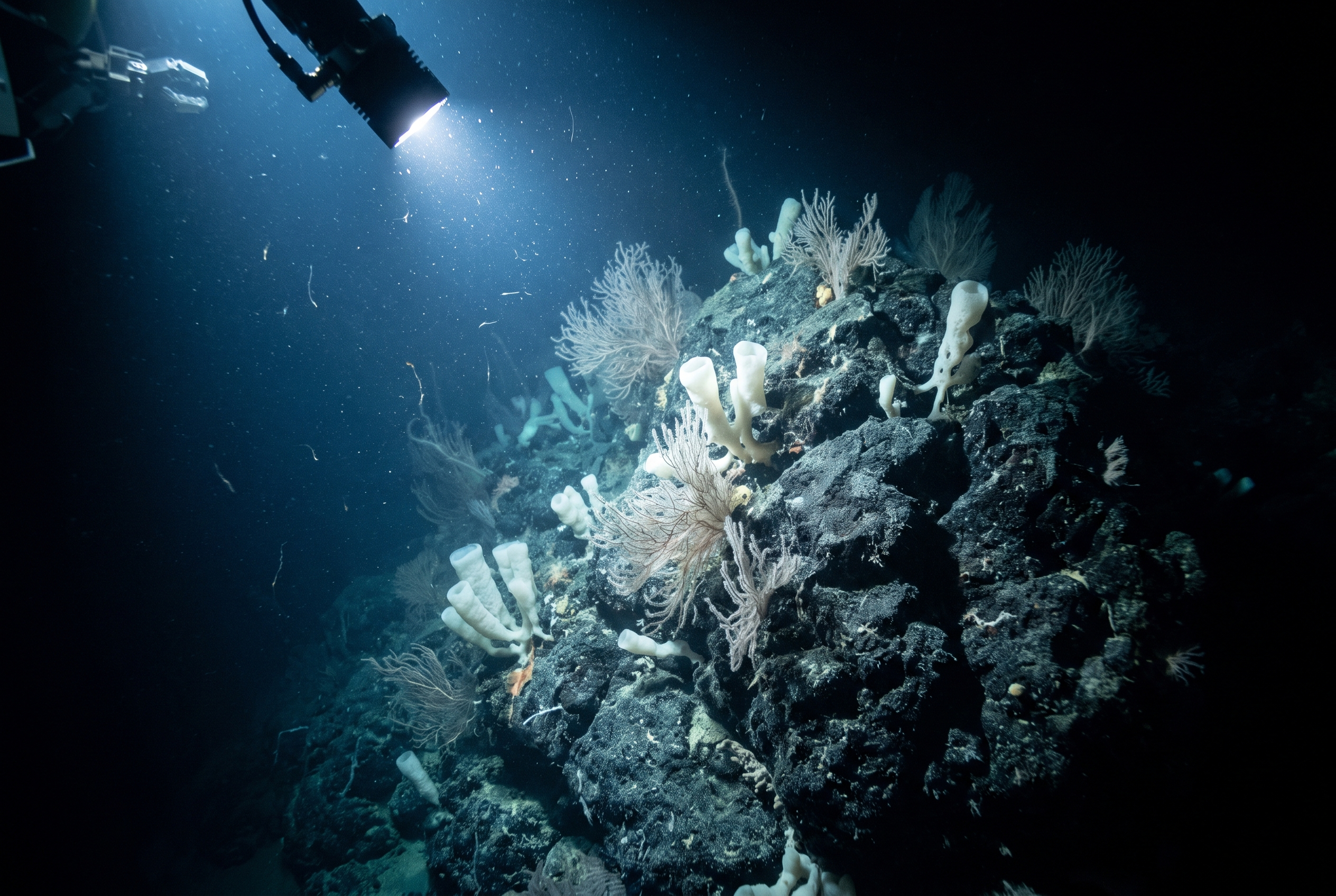
Nine new sponges, and hundreds still unnamed: a glimpse of Alaska's deep sea
Scientists have described nine species of deep-sea sponge that had never been formally named before. All nine were found off the coast of Alaska. The discovery…