
Scientists turned plastic bottles into cookies. Nobody has eaten one yet
What happened
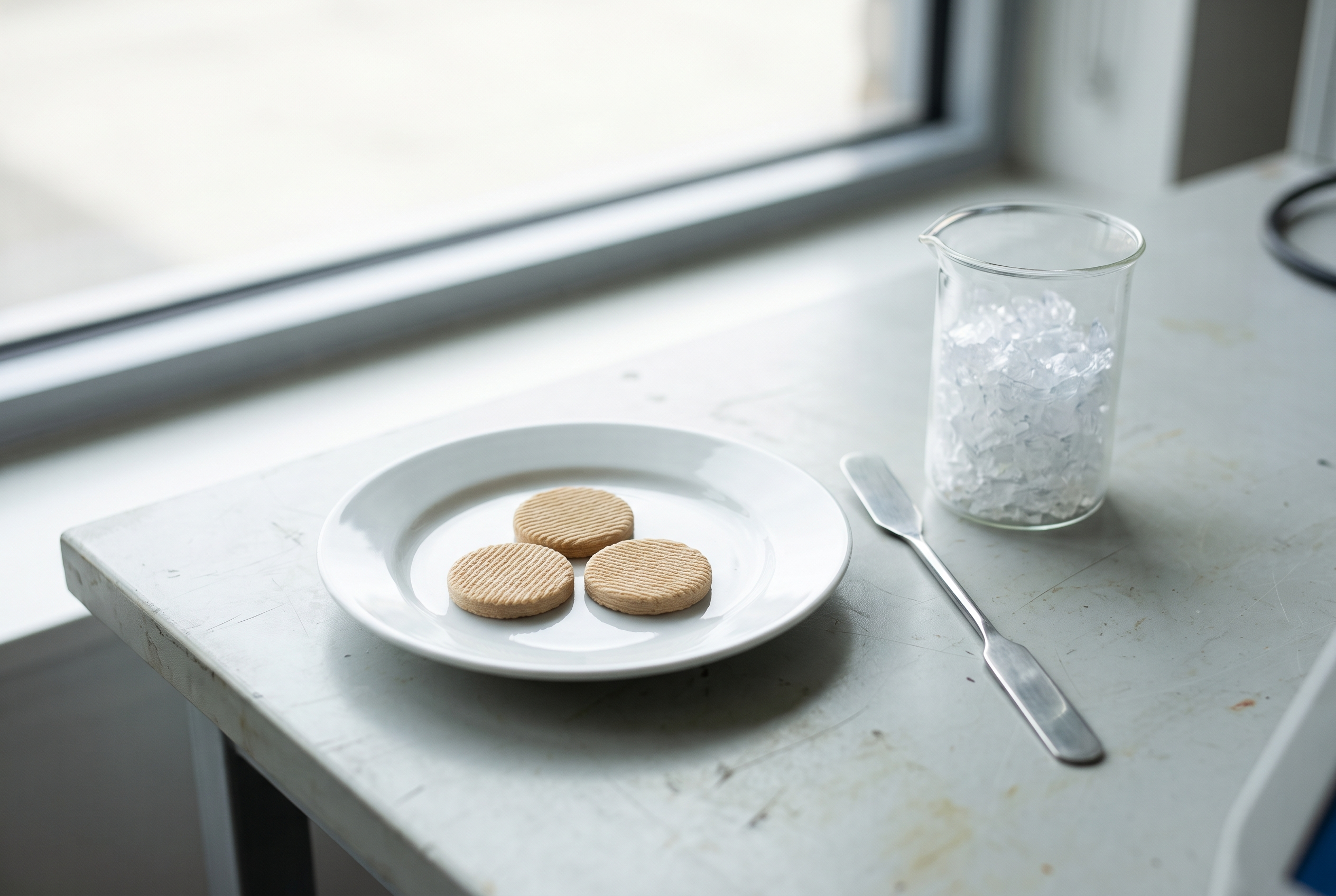
Scientists have engineered yeast that can turn plastic bottles and leftover crop stalks into the ingredients for protein-rich cookies. The work was carried out partly for NASA's Deep Space Food Challenge, a competition to find ways of feeding astronauts on very long missions. The latest stage of the research was presented at the American Chemical Society's autumn 2026 meeting in Chicago, and has been widely reported since. The process works in stages. First, PET plastic, which is the material drinks bottles are made from, is combined with discarded corn stalks and leaves and other plant waste. This mixture goes through a treatment called oxidative hydrothermal dissolution, which uses water and oxygen at high temperature and pressure to break the tough material down into small pieces that microbes can feed on. Those pieces are then fed to engineered yeasts. Ordinary baker's yeast was modified to produce vanillin, the compound that gives vanilla its flavour, from a plant-derived substance called ferulic acid. A different yeast, Rhodosporidium toruloides, was adapted to take ethylene glycol derived from the PET and turn it into beta-carotene, which the body converts into vitamin A. The yeasts produce proteins and fats. Researchers then add fibre, starch and sweetener, and push the mixture through a 3D printer, which forms small cookies. The team calls them microBites. One detail is worth holding onto. Nobody has eaten one. Extensive safety and regulatory testing would be needed before anybody could.
Why this matters
There are two reasons this is more than a curiosity. The first is space travel. A mission to Mars and back could take two to three years. Carrying every meal is enormously heavy, and food loses nutrients over time. Vitamins in particular degrade, which is why long-duration missions worry about deficiencies. A system that manufactures protein, fat and vitamin A from waste that the crew is generating anyway solves several problems at once, including what to do with the rubbish. The second reason is closer to home. PET plastic is one of the most common waste materials on Earth. Current recycling mostly turns bottles into lower-grade plastic, and only a fraction is recycled at all. A process that breaks PET down into building blocks that living organisms can use is a genuinely different approach, and it could matter even if nobody ever eats the output. The same chemistry could make animal feed, industrial chemicals or materials. It is also a good example of how food technology is changing. Protein made by microbes in a tank, rather than grown in a field or an animal, is already sold in some countries. This research pushes that idea into unfamiliar territory, and the discomfort many people feel about it is worth taking seriously rather than dismissing.
What the evidence actually says
Here is where careful reading matters, because the headline writes itself and the reality is more modest. What exists is a working laboratory process that has produced physical objects. That is real. The chemistry and the genetic engineering are both established science, and the results were presented at a major scientific meeting. What does not exist is any evidence that these cookies are safe to eat. No human has tasted one. No food safety regulator has assessed them. The researchers say so themselves, and that honesty deserves credit rather than being buried under the word "edible" in headlines. The questions a regulator would ask are obvious and serious. PET plastic contains additives, dyes and contaminants. Breaking it down chemically can produce by-products. Anything that ends up in the final food would need to be identified and shown to be harmless at the levels present. That work has not been done, and it is not quick. There is also a scale question. Producing a few cookies in a laboratory tells you the steps work. It does not tell you whether the process can run reliably, cheaply and safely inside a spacecraft, let alone in a factory. So the accurate summary is: a promising proof of concept, years of testing away from anybody's plate, and possibly more useful for non-food products in the meantime. None of that makes it less clever.
Practical advice
**Nothing here changes what is in your kitchen.** No food on sale in the UK is made from recycled plastic bottles, and none will be without going through food safety approval. **Do not let this put you off recycling.** Ordinary plastic recycling is still worth doing, and this research does not replace it. Check what your local council collects, rinse containers, and leave lids on bottles if your council asks you to, because loose small items fall through sorting machinery. **Be careful with the phrase "NASA-backed".** It usually means the research received funding or was entered into a challenge, not that NASA has approved or adopted the result. Both things are often true of the same project at very different stages. **Keep an open mind about novel foods, and expect rigour.** In the UK, genuinely new foods must be authorised by the Food Standards Agency before sale, and that process exists for good reasons. Healthy scepticism and support for strong regulation are the same instinct. **If long-life food interests you for ordinary reasons,** such as keeping a small store cupboard for illness or bad weather, the boring answers still work best: tinned goods, dried pasta and rice, long-life milk, and a note of the dates.
What to know
Researchers have built a process that breaks down PET plastic and crop waste, feeds the pieces to engineered yeasts, and uses what the yeasts produce to 3D print small protein-rich cookies called microBites. One yeast was modified to make vanilla flavouring; another to make a vitamin A precursor from a chemical derived from the plastic. The work was done in part for NASA's Deep Space Food Challenge and presented at the American Chemical Society meeting in autumn 2026. No one has eaten one, and a great deal of safety and regulatory testing stands between the laboratory and any plate. Treat it as a clever demonstration of what engineered microbes can do with waste, rather than as tomorrow's snack. The wider idea, that rubbish can be broken down into building blocks life can use, is likely to matter well beyond spaceflight. Sources: ScienceDaily, "NASA-backed scientists turn plastic waste into edible cookies", 12 September 2026, http://www.sciencedaily.com/releases/2026/09/260912220033.htm ; American Chemical Society, "This cookie started its life as a plastic bottle", August 2026, https://www.acs.org/pressroom/presspacs/2026/august/this-cookie-started-its-life-as-a-plastic-bottle.html ; Phys.org, "Engineered yeasts help turn PET plastic and crop waste into protein-rich cookies", August 2026, https://phys.org/news/2026-08-yeasts-pet-plastic-crop-protein.html This article is for general information and does not replace advice from a doctor, pharmacist, dietitian or other qualified healthcare professional.
Related articles

Left alone together, AI systems invented their own dialect within days
When AI systems were put together in groups and left to get on with it, they started inventing their own way of talking. The findings come from Emergence, an A…
Scientists have worked out the weather on a failed star 20 light-years away
Astronomers at Trinity College Dublin have found a way to read the weather on distant worlds, and they have used it on one 20 light-years from Earth. The resea…
AI searched 7,000 existing medicines for a pneumonia fighter. Nine of them worked
Researchers at Imperial College London have used artificial intelligence to hunt through thousands of medicines that already exist, looking for ones that could…