
Where have all the wasps gone? A strange summer for a much-hated insect
What happened
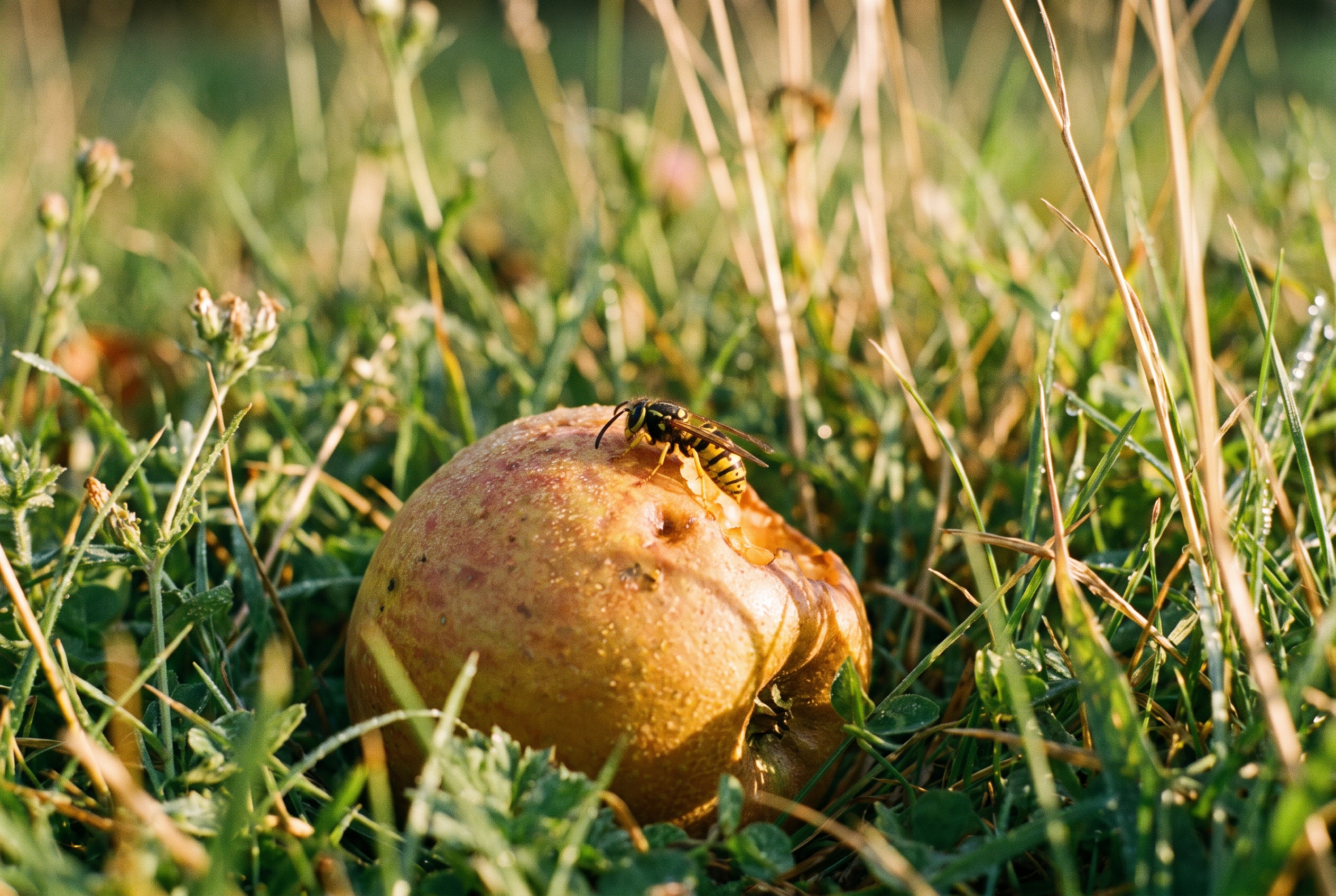
Something odd has happened in British gardens this summer. The wasps largely have not turned up. By late August most of us are usually batting them away from a pint or a plate of ham. This year, plenty of people noticed their absence. The wasps that did appear were often unusually small. Writing in The Conversation on 11 September 2026, Seirian Sumner, Professor of Behavioural Ecology at University College London, set out what may be going on. She studies social wasps and runs the Big Wasp Survey, which is the only national wasp monitoring scheme in Britain. Her explanation centres on heat. Insects have what is called a critical thermal maximum, the temperature above which they simply cannot function. For wasps that is around 45 degrees Celsius. During this year's heatwaves, ground temperatures in the UK exceeded 50 degrees. Wasps nest underground or in cavities. A nest sitting in soil that hot is in serious trouble. The unusual smallness is a clue in itself. It suggests larvae developed under stress, with too little food or too much heat, and came out undersized.
Why this matters
Most people would happily see the back of wasps, so it is worth being clear about what they actually do. Wasps are pest controllers. A single social wasp colony can remove many thousands of caterpillars, aphids and flies over a season. Those are the insects that eat crops and garden plants. Take the wasps away and something else has to do that job, usually a chemical. They are also pollinators. Less efficient than bees, but they visit a very wide range of flowers, and some plants depend on them almost entirely. And they are decomposers, clearing up carrion and fallen fruit. There is a bigger signal in this too. Wasps are not fragile creatures. They are tough, adaptable generalists. When a tough generalist has a bad year, that says something about conditions rather than about the species. Bees are affected as well. Honeybees have a critical thermal maximum of around 49 degrees. Bumblebees show impaired cognition, meaning they stop navigating properly, at temperatures as low as 32 degrees. That is a normal summer afternoon in parts of England now.
What the evidence actually says
This is an expert's informed assessment, and it should be read as that rather than as a completed study. Professor Sumner is explicit that the Big Wasp Survey had not begun its sampling for the year when she wrote. The national count that would confirm or contradict the impression had not yet been done. So what we have is a well-qualified researcher, with long experience of the species, reporting a pattern and offering a plausible mechanism. The temperature figures are real and well established. The link between them and this summer's scarcity is reasonable but not yet measured. There are other possible contributors. Wasp numbers naturally swing a great deal from year to year, far more than most insects. A cold, wet spring can wipe out queens before colonies even establish. Food shortages earlier in the season matter too, and Sumner mentions these alongside the heat. So the careful version is this: wasps appear to have had a bad summer, extreme heat is the most likely main cause, and the survey data will tell us properly. That is not a hedge. It is how you avoid turning one strange summer into a false trend.
Qurexa perspective
There is a small practical footnote here that sits squarely in our world. Fewer wasps has meant fewer stings this year, and community pharmacies across the country will have noticed the dip. But the sting season is not over. Wasps become more aggressive in late summer and early autumn, once their colonies stop producing young and the workers go looking for sugar. Most stings need nothing more than a cold compress and time. Some need an antihistamine, which any pharmacy can supply without a prescription. A small number of people are genuinely allergic. If you have been prescribed an adrenaline auto-injector, this is a good moment to check the expiry date. They do expire, people forget, and an out-of-date pen is a problem you only discover at the worst possible time. If yours is due for renewal and getting to the pharmacy is difficult, that is exactly the sort of thing we deliver. Check it today rather than in an emergency.
Practical advice
If you are stung, the usual advice applies. Wash the area, apply something cold for around ten minutes, and take a painkiller if you need one. Antihistamine cream or tablets help with itching. Try not to scratch it. Get urgent help, by calling 999, if there is swelling of the face, lips, mouth or throat, difficulty breathing, dizziness, or a widespread rash. Those are signs of a severe allergic reaction and it moves quickly. To reduce your chances of being stung: keep drinks covered outdoors, especially cans you cannot see into. Move calmly rather than flapping. Do not swat a wasp near a nest. If you find a nest, leave it alone. Most nests die naturally by late autumn and never need touching. If one genuinely must be removed, use a professional rather than a can of spray. And if you want to help with the science, look up the Big Wasp Survey. It is run by volunteers counting wasps in their own gardens, and years like this one are exactly when the data matters most.
What to know
Britain's wasps have been scarce this summer, and those that appeared were often undersized. Professor Seirian Sumner of UCL points to extreme heat as the most likely cause, with ground temperatures during heatwaves exceeding 50 degrees Celsius against a wasp tolerance of around 45. This is an expert assessment published on 11 September 2026, not yet a completed survey. The national wasp count for the year had not begun. Wasps are unpopular but useful: they control pests, pollinate and clear waste. A bad year for a tough, adaptable insect is a signal worth noticing. Check your adrenaline auto-injector expiry date if you carry one. Late summer and autumn are when stings are most likely. Sources: The Conversation, article by Seirian Sumner, Professor of Behavioural Ecology at University College London, 11 September 2026, https://theconversation.com/uk ; ScienceDaily, 'Wasps Are Disappearing This Summer, and Scientists Are Worried', 11 September 2026, https://www.sciencedaily.com/releases/2026/09/260911003901.htm ; NHS, 'Insect bites and stings', https://www.nhs.uk/conditions/insect-bites-and-stings/ This article is for general information and does not replace advice from a doctor, pharmacist or other qualified healthcare professional. If you have a known severe allergy, follow the plan agreed with your allergy specialist.
Related articles

Researchers found a way to win at Wordle 99% of the time. The trick is counterintuitive
Researchers at Binghamton University, part of the State University of New York, have published a mathematical strategy for the word game Wordle that succeeds in…
Some bats live 50 years. A new study looked at why, and the answer is surprising
Bats should not live as long as they do. In the animal world there is a rough rule: small things die young. A mouse weighs about the same as a small bat and li…