
Britain's first main line battery trains: £1bn, built in Derby, running in 2034
What happened
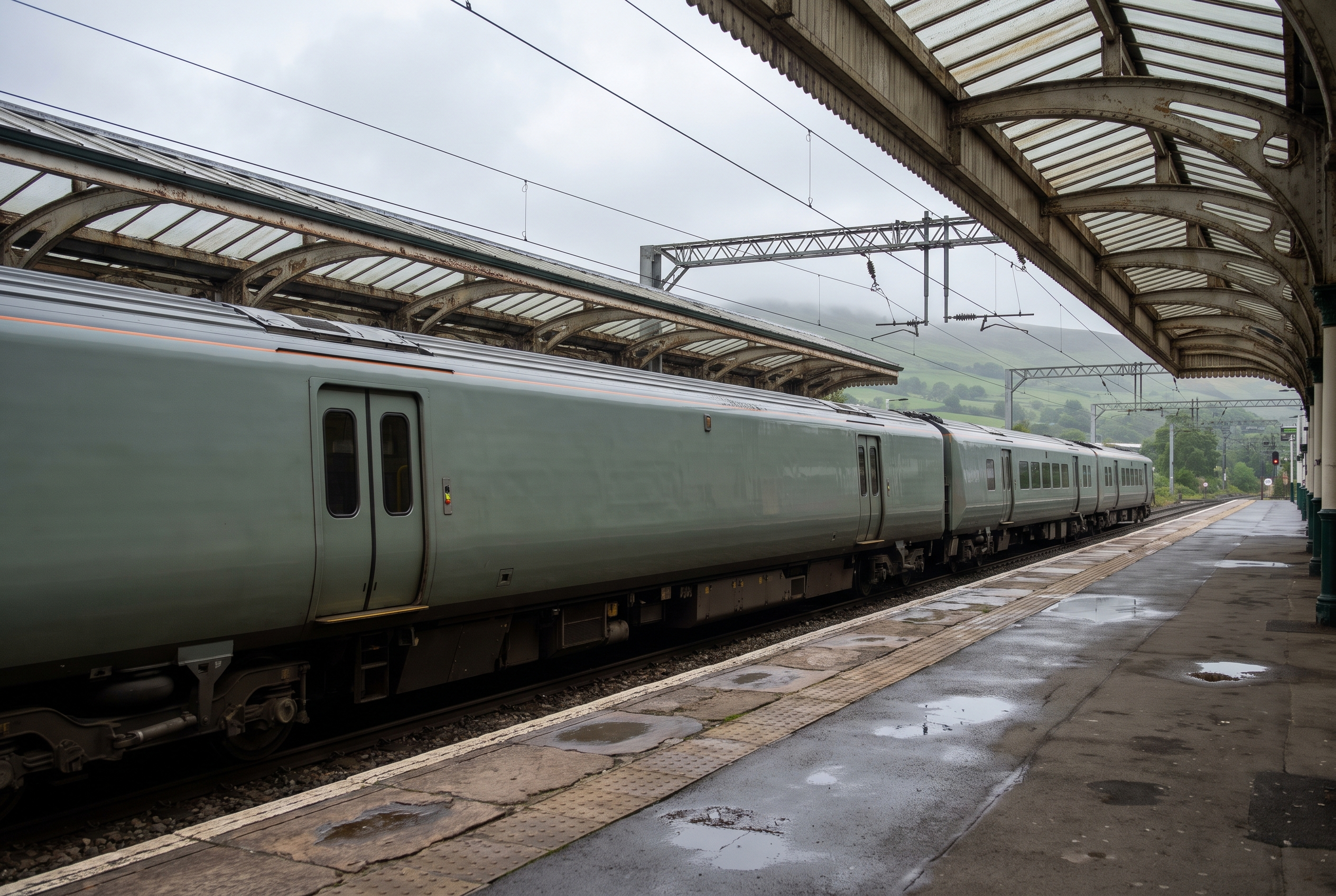
On 11 September 2026, the government announced an order for 29 new battery-electric trains for TransPennine Express, at a cost of around £1 billion. The trains will be built by Alstom at Litchurch Lane Works in Derby, which is Britain's oldest working railway factory. The order supports more than 350 highly skilled jobs in Derby, along with 40 apprentices and 40 student placements, and an estimated 6,000 jobs across the UK supply chain. The government puts the economic benefit at around £360 million. They will run on three routes across the North: Liverpool Lime Street to Scarborough, Manchester Airport to Saltburn, and Manchester Piccadilly to Hull. The promised improvements are concrete. Journey times cut by up to 10 to 14 minutes. Thirty per cent more capacity. Better accessibility, wi-fi, and a quieter ride than the diesel trains they replace. Battery-electric trains work by drawing power from overhead wires where they exist, charging as they go, and then running on stored battery power on stretches of line that have never been electrified. That matters in Britain, where large parts of the network still have no wires at all. The government describes these as the country's first main line battery-electric trains. The timeline is the part that needs stating clearly. Construction begins in 2028. The trains enter service in winter 2034. Greater Manchester Mayor Andy Burnham said the trains would "bring faster, more reliable journeys to the North, and thousands of British jobs for the next generation". Transport Secretary Heidi Alexander said passengers would "wave goodbye to overcrowded, delayed diesel trains". Alstom UK managing director Rob Whyte said the trains would be "designed and built in Britain".
Why this matters
Two things are going on here, and it is worth separating them. The first is about travel. TransPennine routes carry a lot of people across the North of England, and they have a difficult reputation. Overcrowding and unreliability have been persistent complaints. Thirty per cent more capacity and journeys shortened by up to fourteen minutes would be a real improvement for people who use these lines to get to work, to hospital appointments or to see family. The second is about manufacturing. Britain has a long and uneven history with train building. Derby's Litchurch Lane has come close to running out of work more than once in recent years, and orders like this keep a skilled workforce and its supply chain intact. The apprenticeship places matter for the same reason: those skills are hard to rebuild once lost. There is also an environmental angle. Diesel trains produce carbon emissions and local air pollution, which matters most in stations and city centres where people are standing close by. Electrifying a railway line properly is very expensive and disruptive. Battery trains are a way of getting some of the benefit without digging up and re-wiring hundreds of miles of track. But the honest summary for anyone travelling this decade is that none of this helps yet. Winter 2034 is eight years away. If you are frustrated by a TransPennine service today, this announcement changes nothing about your journey tomorrow.
What the evidence actually says
Rail announcements deserve to be read carefully, because the gap between announcing and running is where things go wrong. The dates are the first thing to hold onto. Construction starts in 2028, two years away. Service entry is winter 2034, eight years away. Between now and then sit design approval, manufacturing, testing, driver training and safety certification. Each stage has historically produced delays on British rail projects, sometimes substantial ones. The figures also come from the Department for Transport, which is announcing its own decision. The journey time saving of up to 10 to 14 minutes uses the phrase "up to", which typically describes the best case on the best-suited route rather than a typical journey. The £360 million economic benefit figure is a projection based on modelling assumptions, not a measured outcome. The technology itself is the less certain part. Battery-electric trains are a genuinely promising approach and are in use elsewhere, but running them on long main line routes across the Pennines, with steep gradients and cold winters, is more demanding than running them on short branch lines. Battery range and performance in cold weather are real engineering questions. None of this means the project will fail. Alstom is an established manufacturer and Derby is an experienced plant. It means that a firm order is a solid step and not a guarantee, and that 2034 is a plan rather than a promise.
Practical advice
Since these trains are eight years away, here is what is useful for travelling on these routes now. Check before you travel. Journey planners and the National Rail site show live disruption, and the TransPennine routes are affected by engineering work most weekends. Five minutes beforehand saves a lot of standing about. Know your compensation rights. Delay Repay lets you claim money back for delays on most operators, often from 15 minutes late, and you claim from the train company rather than the station. A great deal of this money goes unclaimed simply because people do not realise they are entitled. If you are disabled or would find travel difficult without help, use Passenger Assist. It can be booked in advance through the operator or the national service, and staff will meet you and help you on and off. Many of the current trains are less accessible than the new ones are promised to be, so booking ahead genuinely helps. Railcards are worth checking. There are now versions for 16-25s, 26-30s, over 60s, disabled passengers, two people travelling together and families, and most pay for themselves within a couple of journeys. If you take medicines with you, keep them in your hand luggage rather than a bag in the rack, and carry enough for longer than the journey should take. Delays and rail replacement buses are common enough on these routes to make that a sensible habit, particularly for anything time-sensitive like insulin. And if a service is regularly poor, complain to the operator and copy in Transport Focus, the independent passenger watchdog. Complaint volumes influence what gets prioritised.
What to know
The government has ordered 29 battery-electric trains for TransPennine Express at a cost of around £1 billion, to be built by Alstom in Derby. They will run between Liverpool and Scarborough, Manchester Airport and Saltburn, and Manchester Piccadilly and Hull. The order supports over 350 jobs in Derby plus 40 apprentices and 40 students, and an estimated 6,000 jobs across the supply chain. Promised benefits include journeys up to 10 to 14 minutes faster, 30% more capacity, better accessibility and a quieter ride. These would be Britain's first main line battery-electric trains, able to run on unelectrified track using stored power. Construction starts in 2028 and the trains enter service in winter 2034. Nothing changes for passengers before then, and delivery dates on major rail projects have often slipped. In the meantime, the practical things are checking before you travel, claiming Delay Repay when you are entitled to it, and booking Passenger Assist if you need help. Sources: Department for Transport, 'New British-built trains to transform railways and reindustrialise Britain', 11 September 2026, https://www.gov.uk/government/news/new-british-built-trains-to-transform-railways-and-reindustrialise-britain; National Rail, Delay Repay and Passenger Assist guidance, https://www.nationalrail.co.uk/; Transport Focus, independent passenger watchdog, https://www.transportfocus.org.uk/ This article is for general information and does not replace advice from a doctor, pharmacist or other qualified healthcare professional if you are travelling with medicines or a health condition.
Related articles

Heading to Kosovo? Large demonstrations are planned in Pristina this month
The Foreign, Commonwealth and Development Office updated its travel advice for Kosovo on 11 September 2026. The change was the addition of information about la…

Jordan travel advice has changed. What UK travellers should do now
The Foreign, Commonwealth and Development Office updated its travel advice for Jordan on 10 September 2026. Information about Iranian missile strikes on Jordan…
Nepal travel advice updated: what trekkers and visitors need to check now
The Foreign, Commonwealth and Development Office updated its travel advice for Nepal on 11 September 2026. Two things changed. The first was information about…