
Who gets to run trains on Britain's railway? The rules are being rewritten
What happened
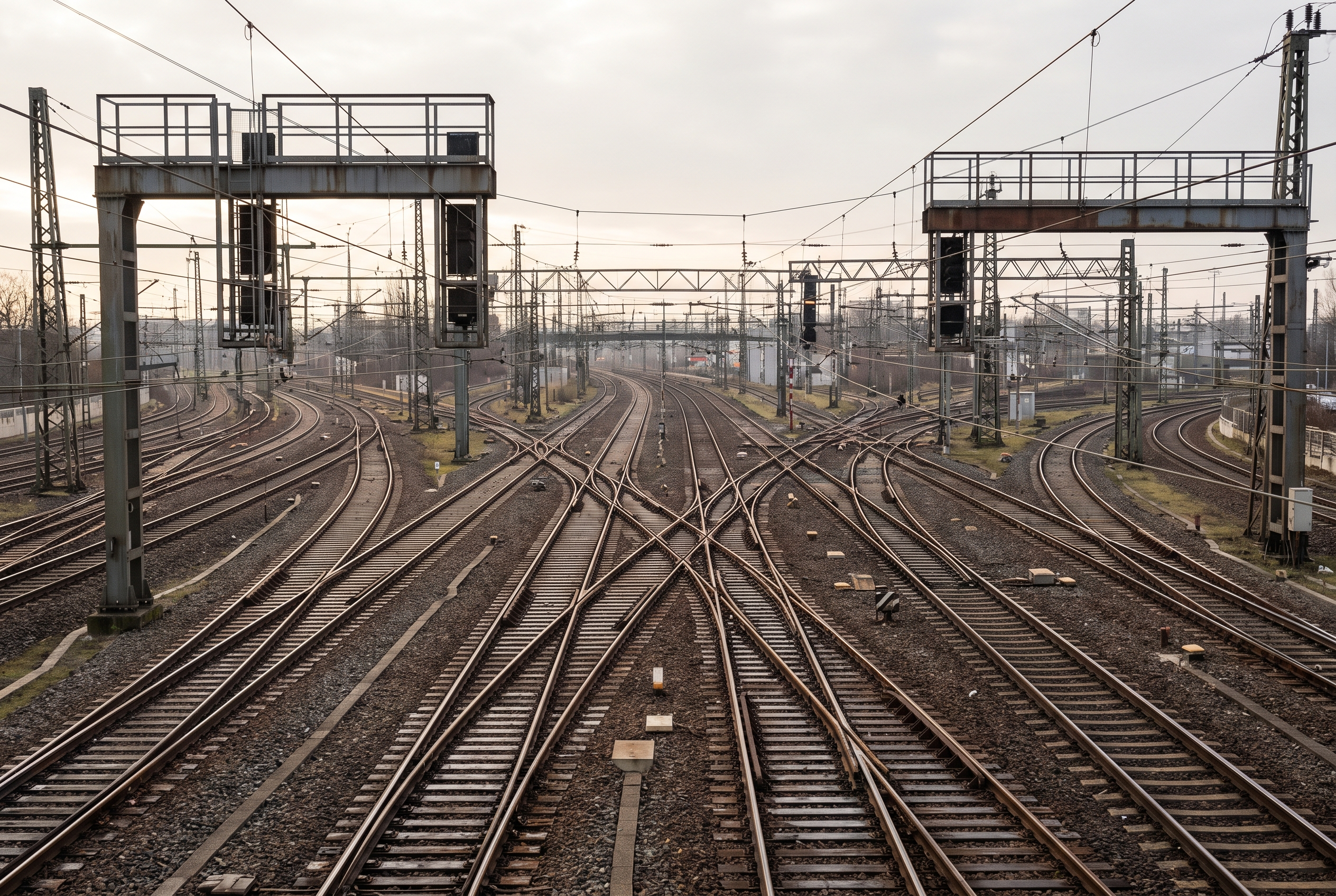
Great British Railways launched a consultation on 9 September 2026 about how it will decide which train services are allowed to use Britain's rail network. The document is called the Access and Use Policy. It builds on a discussion paper published in December 2025. The railway has limited space. Only so many trains can run on a line at a time, and every extra service uses capacity that something else could have used. Somebody has to decide who gets what. At the moment those decisions are made under a framework that has grown up piece by piece over three decades. Passenger services and freight services are handled separately. This consultation would bring both under one set of rules for the first time in 30 years. Anit Chandarana, Group Director of System Operator at Network Rail, was direct about the reason: "The existing access and charging framework is no longer fit for purpose. It has grown over 30 years through layers of legislation."
Why this matters
This sounds like an industry technicality. It decides quite a lot about your journey. Access rules determine whether a new direct service to your town is possible. They determine how many trains run at the times you actually want to travel. They determine whether a freight train can move goods by rail instead of by lorry on the same roads you drive on. Freight is worth pausing on. Every container that moves by rail is a lorry that is not on the motorway. The government set new targets for rail freight growth to 2040 only the day before this consultation opened. There is also a local and regional angle. The policy is meant to fit better with devolved and mayoral transport plans, so that a metro mayor's ideas about local services can actually be delivered rather than blocked by national rules. And there is the taxpayer. A more consistent system is intended to reduce the public subsidy needed while attracting private investment.
What the evidence actually says
A consultation is a proposal, not a decision. Nothing has changed yet, and the final policy may look different from what is being asked about now. The stated aims are reasonable and worth naming: fair, transparent and consistent decisions; less burden on the taxpayer; better alignment with local transport plans; and safety kept central. But the real test of a system like this is how it handles competition for the same slot. If a freight operator and a passenger operator both want the same path at the same time, someone loses. A consultation document describes principles. Only the decisions made later will show how those principles work in practice. It is also fair to note the argument on the other side. Open access operators, the companies that run services outside the main franchise system, have introduced some genuinely popular routes. Any new framework will be judged partly on whether it makes that easier or harder. Details of the consultation are published by Network Rail.
Practical advice
You can respond. Consultations are open to the public, not just to companies, and responses from ordinary passengers do get read. If your town lost a direct service, or you think a route is badly timed for people who work shifts, that is exactly the kind of concrete detail worth submitting. Specific beats general. If responding is not for you, the practical things stay the same. Check before you travel, especially at weekends when engineering work is common. Know your rights when things go wrong. Delay Repay covers most operators, and you can usually claim for delays from 15 minutes. Most people never bother, which is a shame, because the money is genuinely owed. If you have a health condition, book Passenger Assist ahead of time. And if you are carrying medicines, keep them with you rather than in luggage that may end up in a different part of the train.
What to know
Great British Railways opened a consultation on 9 September 2026 on its Access and Use Policy, which sets out how it will decide which passenger and freight services can use the network. It would bring passenger and freight decisions under one framework for the first time in 30 years, replacing rules that have accumulated through layers of legislation. The aims are consistency, transparency, lower taxpayer cost, better fit with local transport plans, and safety. Nothing has changed yet. Members of the public can respond, and specific local examples are the most useful kind of response. Sources: Rail Business Daily, "Landmark plans show how Great British Railways will oversee train access to rail network", 10 September 2026, https://news.railbusinessdaily.com/landmark-plans-show-how-great-british-railways-will-oversee-train-access-to-rail-network/ | Network Rail, "Access and Use Policy consultation", September 2026, https://www.networkrail.co.uk/aup-consultation | GOV.UK, Department for Transport, "Great British Railways sets course for rail freight growth", 8 September 2026, https://www.gov.uk/government/news/great-british-railways-sets-course-for-rail-freight-growth This article is for general information about travel and transport and does not replace advice from a doctor, pharmacist or other qualified healthcare professional.
Related articles

Heading to Kosovo? Large demonstrations are planned in Pristina this month
The Foreign, Commonwealth and Development Office updated its travel advice for Kosovo on 11 September 2026. The change was the addition of information about la…

Jordan travel advice has changed. What UK travellers should do now
The Foreign, Commonwealth and Development Office updated its travel advice for Jordan on 10 September 2026. Information about Iranian missile strikes on Jordan…

Nepal travel advice updated: what trekkers and visitors need to check now
The Foreign, Commonwealth and Development Office updated its travel advice for Nepal on 11 September 2026. Two things changed. The first was information about…