
Goodbye 'ironing-board' seats: Thameslink trains are getting new cushions
What happened
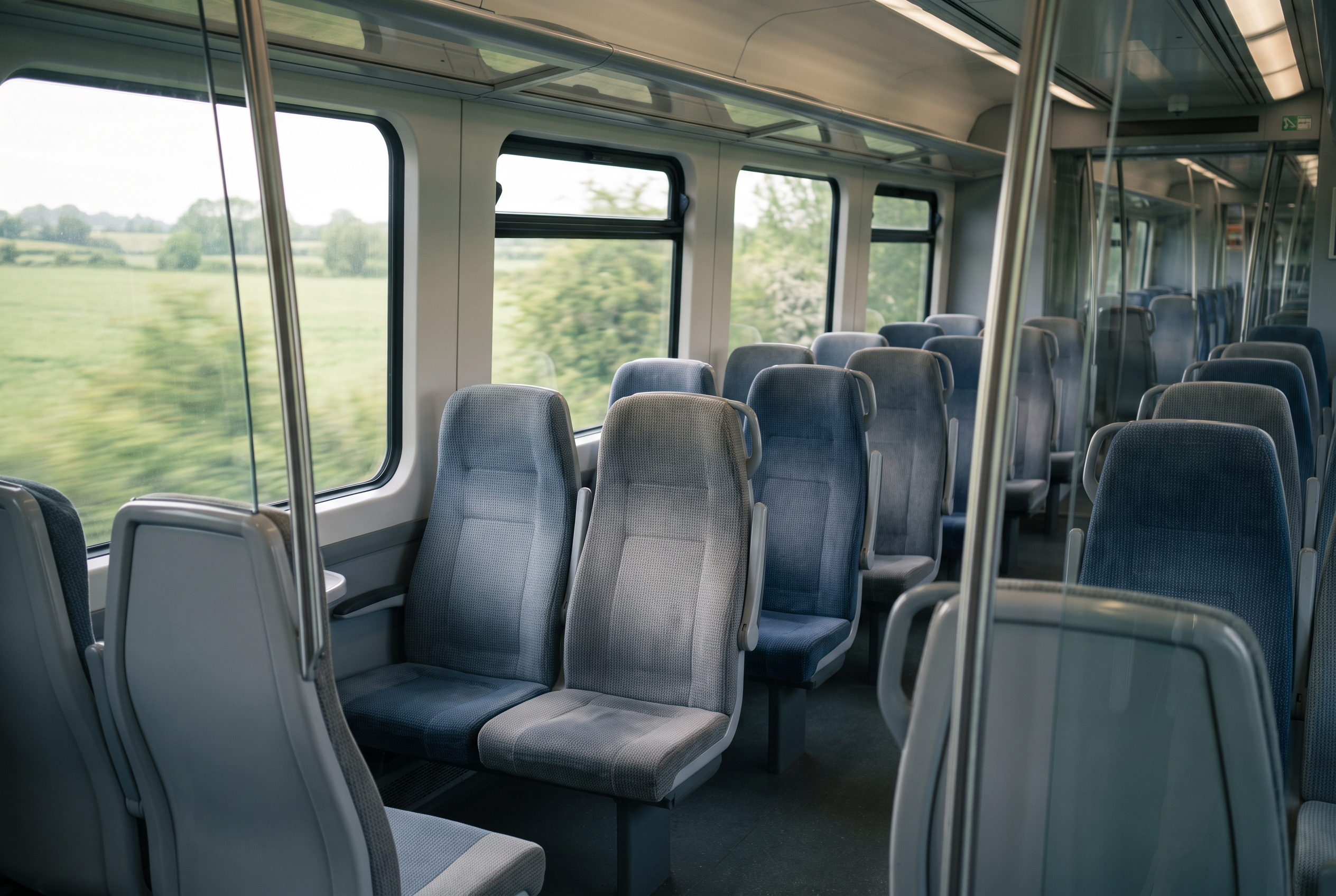
The Department for Transport announced on 10 September 2026 that Thameslink's much-criticised seats are being replaced. The seats have been nicknamed "ironing boards" by passengers for years, because they are thin, hard and unforgiving on a long journey. The replacements use a combination of springs and memory foam. The operator says the new cushions offer 57% more comfort than the current ones. The backrests are also being redesigned with improved wings, to give better support to your shoulders and head. Fitting starts in 2027 and is phased over two years, so trains can be taken out of service a few at a time without cutting the timetable. All 115 trains in the Govia Thameslink Railway fleet are included. That covers more than 60,000 standard class seats. First class gets the same improved cushions, and 69 trains that currently lack them will get new seat-back tables. Transport Secretary Heidi Alexander said: "From next year, we'll start getting rid of the dreaded 'ironing-board' seats so passengers can enjoy comfier, more pleasant journeys."
Why this matters
It is easy to file seat cushions under trivial. For a lot of passengers they are not. If you have back pain, sciatica, arthritis or a hip problem, a hard seat is not a minor annoyance. It is the difference between a journey you can make and one you avoid. The same is true for people who are pregnant, recovering from surgery, or simply elderly. Thameslink runs long routes. Someone travelling from Bedford or Peterborough down through London to Brighton is sitting for well over an hour, often twice a day. There is also a money point worth noting, because it is unusual. The upgrade comes at no additional cost to taxpayers. It was already covered by an existing contract between Govia Thameslink Railway and Siemens Mobility. Passenger complaints about these seats have gone on for years. This is a case where sustained, unglamorous public pressure produced a change.
What the evidence actually says
A little scepticism is healthy here. "57% more comfort" is a striking claim, and comfort is not a straightforward thing to measure. The figure appears to come from testing of the cushions themselves rather than from asking passengers. Treat it as a manufacturer's measurement, not as a promise about your journey. The timing is also worth being realistic about. Work begins in 2027 and runs over two years. If you commute on this route, your next journey will be on exactly the same seat you have now, and that may remain true for a while. The change sits within a wider set of moves. Govia Thameslink Railway moved into public ownership in May 2026. Since then, the operator has spent £3.6 million on fleet overhaul work, including exterior refurbishment and toilet refits. Gatwick Express frequency is set to double from December 2026. Whether public ownership is the cause of these improvements or simply the backdrop to them is a political argument rather than something the announcement settles.
Practical advice
If long train journeys are uncomfortable for you, a few things genuinely help while you wait for the new seats. Get up and move at least once an hour if you can. Sitting still for a long time is harder on your back than sitting badly for a short time, and it also raises the risk of blood clots on very long journeys. A small rolled-up jumper in the small of your back does more than most travel cushions. It is free and you already own one. If you have a disability or a health condition that makes travel difficult, use Passenger Assist. You can book help through the train operator, ideally in advance, and it covers getting to your seat as well as help at the platform. Reserve a seat if the service allows it, particularly if standing is painful for you. If you take medicines that need timing, keep them in your bag rather than in a suitcase in the rack, and carry a small bottle of water.
What to know
Thameslink's thin "ironing-board" seats are being replaced with spring and memory foam cushions and better-shaped backrests, announced by the Department for Transport on 10 September 2026. All 115 trains in the Govia Thameslink Railway fleet are covered, more than 60,000 standard class seats, with 69 trains also gaining seat-back tables. Work starts in 2027 and takes about two years. It comes at no extra cost to taxpayers because it was already part of an existing contract with Siemens Mobility. In the meantime, move regularly on long journeys, use a rolled-up jumper for back support, and book Passenger Assist if you need help. Sources: GOV.UK, Department for Transport, "More comfortable commutes ahead: rail reform spells end of the 'ironing-board' seat era on Thameslink trains", 10 September 2026, https://www.gov.uk/government/news/more-comfortable-commutes-ahead-rail-reform-spells-end-of-the-ironing-board-seat-era-on-thameslink-trains | National Rail, "Passenger Assist", accessed 11 September 2026, https://www.nationalrail.co.uk/ | Govia Thameslink Railway, https://www.thameslinkrailway.com This article is for general information about travel and transport and does not replace advice from a doctor, pharmacist or other qualified healthcare professional.
Related articles

Heading to Kosovo? Large demonstrations are planned in Pristina this month
The Foreign, Commonwealth and Development Office updated its travel advice for Kosovo on 11 September 2026. The change was the addition of information about la…
Jordan travel advice has changed. What UK travellers should do now
The Foreign, Commonwealth and Development Office updated its travel advice for Jordan on 10 September 2026. Information about Iranian missile strikes on Jordan…

Nepal travel advice updated: what trekkers and visitors need to check now
The Foreign, Commonwealth and Development Office updated its travel advice for Nepal on 11 September 2026. Two things changed. The first was information about…