
Robots in the classroom - and a tracker to spot who is slipping away
What happened
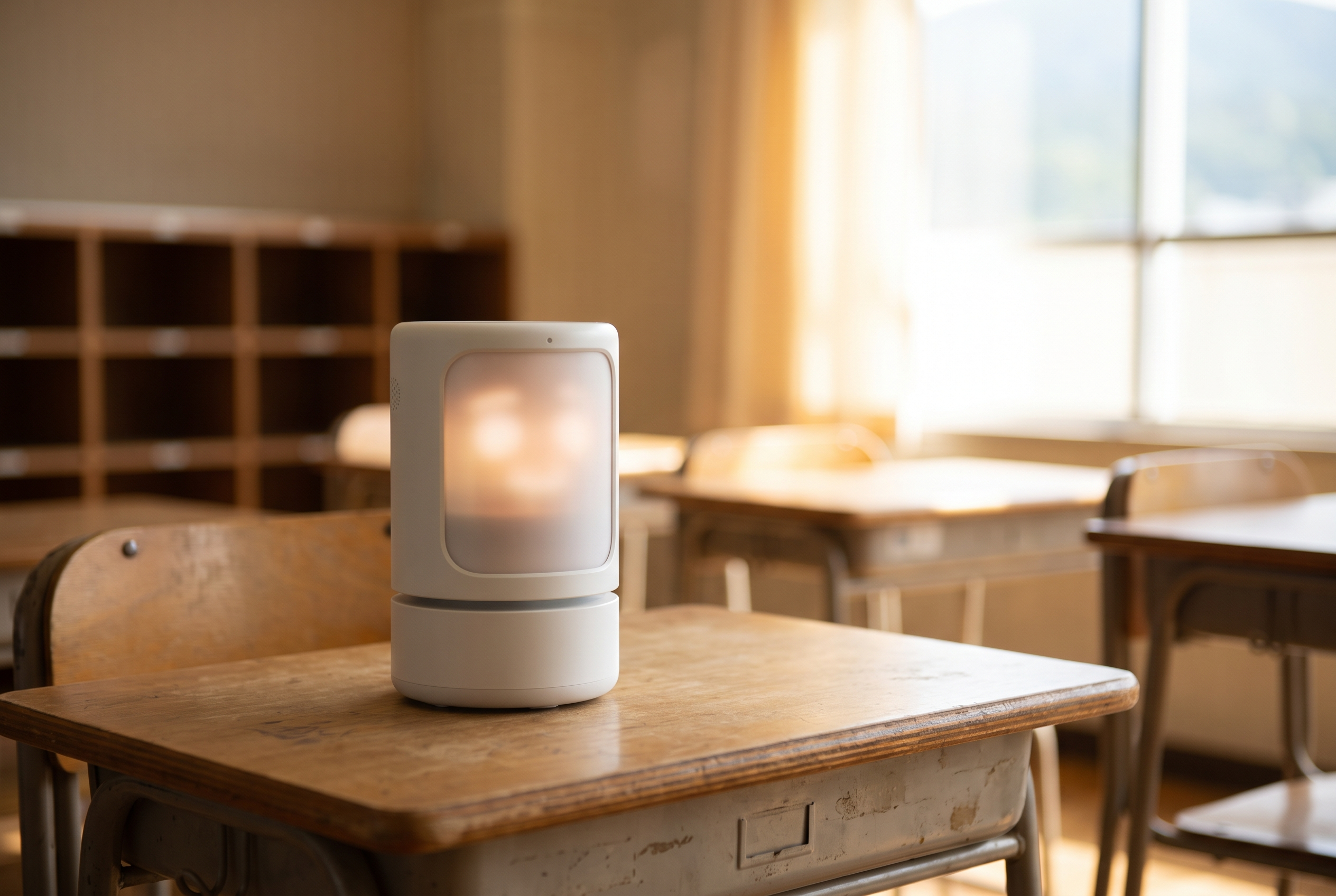
Two English school projects have been chosen to try new ways of helping pupils who feel unable to come to school. Tes reported on the schemes on 10 September 2026. They were picked by the New Schools Network for its Innovation Pilot Programme, from 96 expressions of interest. The projects started this September, with findings due to be published in autumn 2027. The first is at William Hulme's Grammar School in Manchester. It is using AV1 telepresence robots, small devices that sit on a desk in the classroom so that an absent pupil can see, hear and take part in the lesson. The school is also building what it calls a multiple vulnerabilities tracker, which combines attendance data with behaviour indicators to identify pupils showing early signs of emotional-based school avoidance. The second project is run by the Bristol Education Partnership. Year 12 students mentor younger pupils moving up from primary school, families get a dedicated engagement worker, and small grants are available to remove practical barriers to attending.
Why this matters
Emotional-based school avoidance, often shortened to EBSA, is not truanting. It describes children who want to be at school but find that anxiety makes it feel impossible. It can look like stomach aches every Sunday night, tears at the school gate, or a child who gets dressed and then cannot get out of the door. Families often describe feeling judged, as though it is a discipline problem. The Manchester school has identified the core difficulty precisely. Sophie Galloway, the vice-principal, said: "EBSA attendance is a lagged indicator, so your best chance of supporting pupils is identifying them early." By the time attendance figures show a problem, the problem has usually been building for weeks or months. The child has already had a long, difficult time and the habit of not coming in has already formed. That is the case for trying to spot it earlier, using signals other than attendance itself.
What the evidence actually says
These are pilots. They are not proven interventions, and nobody is claiming otherwise. Results come in autumn 2027. One finding from Manchester is already interesting, and it goes against the obvious assumption. The school found that the robots worked best when pupils had to come into school to use them, rather than joining lessons from home. That is a useful correction. The instinctive fix for a child who cannot face school is to let them learn from home. But for anxiety, avoidance tends to make the fear grow. Gentle, supported steps back towards the building usually work better than removing the need to go. The Bristol approach is less high-tech and, arguably, addresses something just as real. Some barriers are practical rather than emotional: no uniform that fits, no bus fare, no breakfast. Small grants deal with those directly. The tracker raises a fair question about data. Combining attendance and behaviour records to flag vulnerable children is sensible, but it needs care to avoid labelling a child as a problem when they are actually struggling.
Practical advice
If your child is refusing school, act early and be gentle with yourself. This is common and it is not a sign that you have done something wrong. Tell the school as soon as you notice a pattern, and ask specifically about their approach to emotional-based school avoidance. Ask whether there is a named person your child can go to. Try to avoid the big question. "Why won't you go?" is often unanswerable for a child. "What is the hardest part of the day?" usually gets much further. Think in small steps. Walking to the gate. Coming in for one lesson. Arriving ten minutes late to avoid the crowded corridor. Each step done successfully makes the next one easier. Physical symptoms are real. Anxiety genuinely causes stomach aches and headaches. Saying so out loud helps a child feel believed rather than doubted. If it goes on for weeks, speak to your GP. There may be an underlying health issue, and your GP can also refer to mental health support. Long absence should not be managed alone.
What to know
Two projects, at William Hulme's Grammar School in Manchester and across the Bristol Education Partnership, have been selected by the New Schools Network to test new approaches to school avoidance. They were chosen from 96 expressions of interest and report in autumn 2027. Manchester is combining AV1 telepresence robots with an early-warning tracker built from attendance and behaviour data. Bristol is using sixth-form mentors, family engagement workers and small practical grants. The early lesson from Manchester is that the robots helped most when pupils came into the building to use them, rather than joining from home. If your child is struggling to attend, tell the school early, work in small steps, and involve your GP if it continues. Sources: Tes, "Schools use robots to help tackle school avoidance", 10 September 2026, https://www.tes.com/magazine/news/general/schools-use-robots-help-tackle-school-avoidance | New Schools Network, Innovation Pilot Programme, https://www.newschoolsnetwork.org | William Hulme's Grammar School, Manchester, https://www.whgs-academy.org This article is for general information about education and health-related services and does not replace advice from a doctor, pharmacist or other qualified healthcare professional.
Related articles
Update: what has changed since 1,400 more breakfast clubs opened this term
Earlier this month we covered the opening of 1,400 additional free breakfast clubs in English primary schools at the start of this term. This is a follow-up, be…

He stole £200,000 from a college for 16-year-olds. Now he is banned from schools for life
The government has barred a former school finance chief from working in education, more than a year after he was jailed for stealing from the students in his ca…
The schools taking the most SEND pupils are the ones being marked down for inclusion
Two separate analyses of Ofsted's new inspection results have found the same uncomfortable pattern. The schools that take the most pupils with special education…