
Mussels, oysters and crabs feed more of the world than we thought
What happened
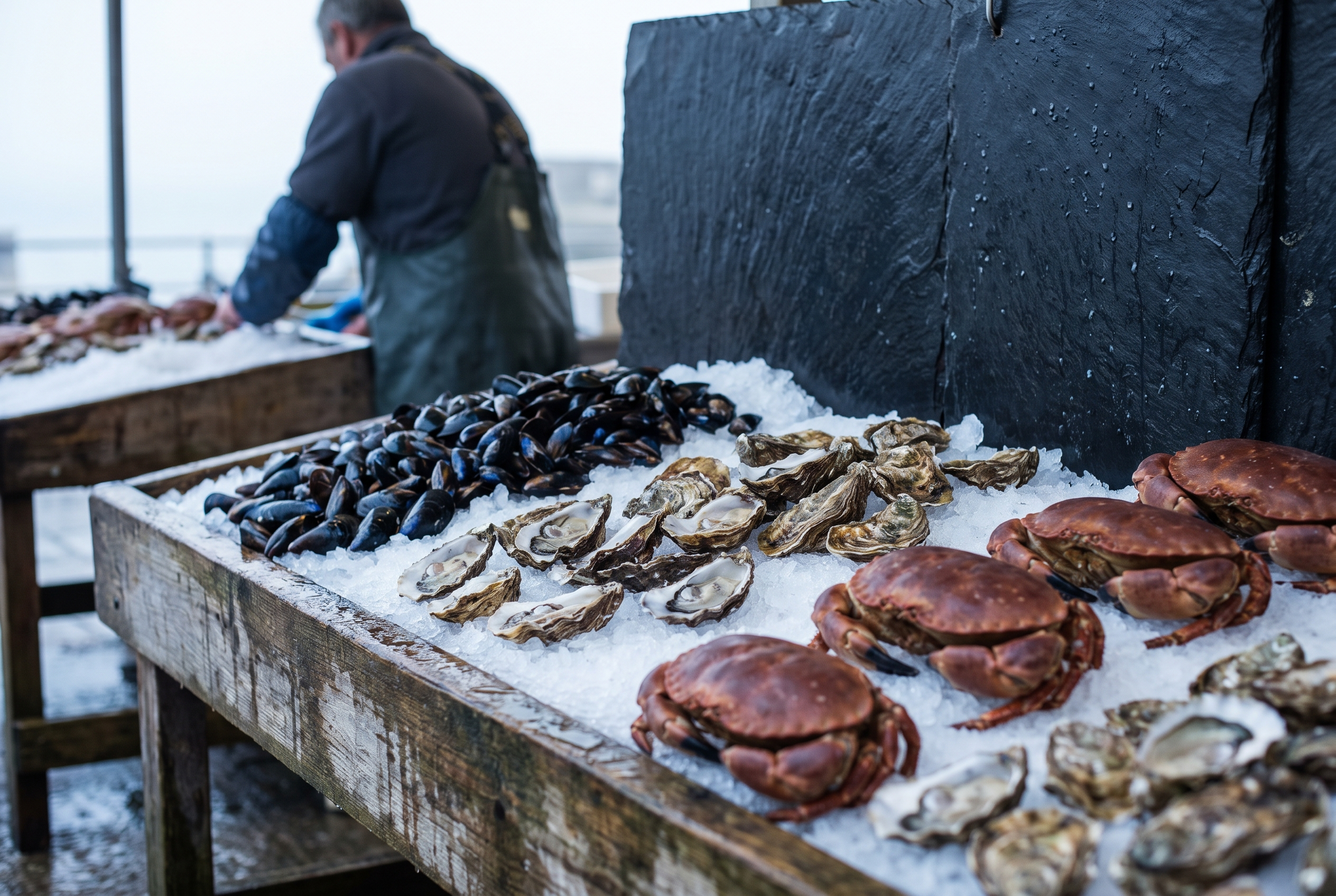
A large global study published in the journal Nature on 11 September 2026 has found that shellfish and other water invertebrates are doing far more nutritional work than anyone had counted. Invertebrates are animals without a backbone. In the water, that means mussels, oysters, clams, crabs, prawns, squid and octopus. The research was led by Jessica Zamborain-Mason, an assistant professor of marine science at King Abdullah University of Science and Technology. The team assessed 30 nutrients that humans need, across both wild fisheries and farmed production. They found that the amount currently produced worldwide contains enough vitamin B12 and enough selenium to cover the yearly needs of more than five billion people. It also holds enough iodine, zinc, copper and omega-3 fatty acids to cover the yearly needs of more than one billion people.
Why this matters
The world has tended to measure fishing and fish farming by weight. Tonnes landed, tonnes produced. Professor Zamborain-Mason thinks that is the wrong measure: "For far too long, we have measured success of aquatic food systems in tonnes of production, rather than in the nutrients they deliver to people." The study shows why. In fish farming, invertebrates make up only about a third of production by weight, but they supply more than half of several key nutrients, including iodine, vitamin B12, vitamin C and iron. Those particular nutrients matter enormously. Vitamin B12 deficiency causes tiredness, pins and needles and a type of anaemia. Low iodine affects thyroid function and is especially important in pregnancy. Iron deficiency is one of the most common nutritional problems in the world, and in the UK too. So a food group that is often treated as a treat turns out to be a serious nutritional resource.
What the evidence actually says
This is a modelling study, and it is worth understanding what that means. The researchers gathered real nutritional measurements from hundreds of species. They then built predictive models covering more than 50,000 species that could potentially be eaten. So the headline figures are careful estimates about supply, not measurements of what people actually ate. "Enough B12 for five billion people" means the nutrient exists in what is produced. It does not mean five billion people get it. Much of this food is exported away from the coastal communities that catch it, and a fair amount is used as animal feed. The study was published in Nature, which is about as rigorous a journal as exists, and it is a supply-side analysis rather than a study of anyone's diet or health. None of this is a reason to eat only shellfish. It is a reason to stop treating it as a luxury extra when thinking about how the world gets fed.
Qurexa perspective
We deliver groceries as well as prescriptions, so the cold chain is something we think about more than most people would expect. Shellfish is one of the least forgiving foods there is. It needs to stay cold from the shop to your fridge, and that is genuinely harder in a warm car boot than most people realise. If you are buying fresh shellfish, get it home quickly and cold. If a delivery arrives and the chilled items are not properly cold, do not take a chance on them.
Practical advice
Tinned and frozen count. Tinned mussels, frozen prawns and tinned sardines are affordable, keep for ages and carry much of the same nutritional value as fresh. Cook shellfish properly. Mussels and clams should open during cooking. Prawns should be pink and firm all the way through. Some people should avoid raw shellfish completely. That includes pregnant women, young children, older people and anyone with a weakened immune system. Raw oysters are the main one to be careful with. Shellfish allergy is common and can be serious. If you have ever reacted to it, do not experiment. If you have an adrenaline auto-injector, carry it. Watch the salt. Some tinned and smoked shellfish is very salty, which matters if you have high blood pressure. If you avoid all animal foods, vitamin B12 is the nutrient to plan for. Speak to your GP or pharmacist about fortified foods or a supplement rather than hoping for the best.
What to know
A Nature study led by KAUST found that the world's current production of shellfish and other aquatic invertebrates contains enough vitamin B12 and selenium for the annual needs of more than five billion people, and enough iodine, zinc, copper and omega-3 for more than one billion. In fish farming, invertebrates are about a third of production by weight but supply more than half the iodine, B12, vitamin C and iron. This is an estimate of what is produced, not of what people eat. Tinned and frozen shellfish are cheap ways to get the benefit. Cook it properly, avoid raw shellfish if you are pregnant or immunocompromised, and take shellfish allergy seriously. Sources: Nature, "The nutritional value of invertebrate aquatic foods", 11 September 2026, https://www.nature.com/articles/s41586-026-10908-7 | Arab News, "KAUST-led study finds shellfish and other aquatic invertebrates are nutritional powerhouses", 11 September 2026, https://www.arabnews.com/saudi-arabia/kaust-led-study-finds-shellfish-and-other-aquatic-invertebrates-are-nutritional-powerhouses-3001308 | World Fishing & Aquaculture, "Aquatic invertebrates underpin global nutrition", September 2026, https://www.worldfishing.net/news/seafood/aquatic-invertebrates-underpin-global-nutrition/ This article is for general information and does not replace advice from a doctor, pharmacist or other qualified healthcare professional.
Related articles

Researchers found a way to win at Wordle 99% of the time. The trick is counterintuitive
Researchers at Binghamton University, part of the State University of New York, have published a mathematical strategy for the word game Wordle that succeeds in…
Some bats live 50 years. A new study looked at why, and the answer is surprising
Bats should not live as long as they do. In the animal world there is a rough rule: small things die young. A mouse weighs about the same as a small bat and li…
Where have all the wasps gone? A strange summer for a much-hated insect
Something odd has happened in British gardens this summer. The wasps largely have not turned up. By late August most of us are usually batting them away from a…