
Short bursts of 'pink noise' strengthened the brain's overnight rinse cycle
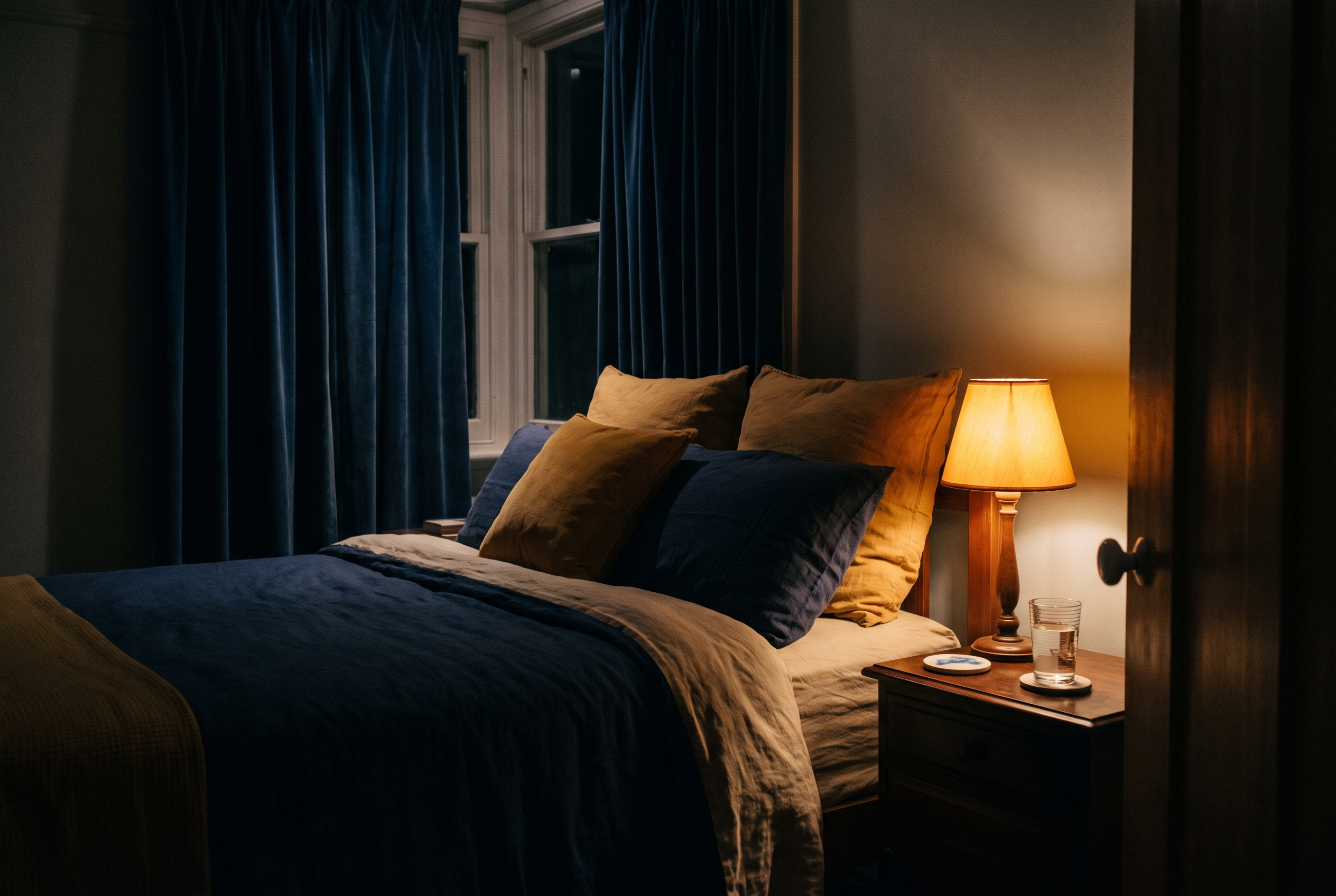
What happened
Researchers at MIT have reported that short bursts of pink noise played during sleep can strengthen the waves of fluid that wash waste out of the brain. The work was published by MIT News on 9 September 2026. Pink noise is a soft, staticky sound, a bit like steady rainfall or a distant waterfall. It contains all the frequencies you can hear, but with more energy in the lower ones, which is why it sounds warmer and less harsh than white noise. During deep sleep, the brain produces slow electrical waves. It also washes cerebrospinal fluid, or CSF, through itself in slow pulses. CSF is the clear liquid that surrounds the brain and spinal cord, and one of its jobs is carrying away the waste products that build up while you are awake. Using brain imaging, the MIT team found that short bursts of pink noise increased the size of those slow electrical waves. The larger electrical waves, in turn, produced larger waves of cerebrospinal fluid. They also worked out the mechanism. The slow brain waves cause blood vessels to narrow and widen in rhythm. Those vessels effectively act as a pump, pushing fluid through and out of the brain. The researchers now want to test whether boosting this flow leads to more restorative sleep, particularly for people with insomnia, and whether it could help conditions involving a build-up of harmful proteins in the brain.
Why this matters
Most of us think of sleep as the brain switching off. It is closer to the opposite. Sleep is when a great deal of maintenance happens, and the clearing of waste from brain tissue is one of the most interesting parts of it. That matters because some of the molecules that build up in the brain, including amyloid and tau, are involved in Alzheimer's disease and other forms of dementia. If poor clearance contributes to that build-up, then anything that improves clearance becomes worth investigating. There is a more immediate angle too. Around a third of UK adults report problems with sleep at some point, and a large number use sound to help, whether that is a fan, a rain app or a white noise machine. Until now, the case for those was mostly 'it masks other noises and I like it'. This research suggests sound might do something more active than masking. Not because it makes you sleep longer, but because of what it does to the shape of the brain waves you are already producing. That is a genuinely different claim, and it is worth understanding precisely, because it is also easy to overstate.
What the evidence actually says
Be careful here, because the headline and the finding are not the same thing. What was measured: bursts of pink noise increased the amplitude of slow brain waves, and the amplitude of cerebrospinal fluid waves, in people being scanned. That is a physiological measurement, and it appears to be a solid one. What was not measured: whether people felt better, slept better, remembered more the next day, or had any change in long-term brain health. The researchers are explicit that these are the questions they now hope to study. They have not been answered. So the chain of reasoning runs: pink noise increases fluid waves, fluid waves are believed to clear waste, waste build-up is linked to dementia. Every link in that chain is reasonable. But a chain of reasonable links is a hypothesis, not a result, and MIT's own framing treats it that way. It is also worth knowing that not every study of pink noise has been positive. Some research has found no benefit for sleep quality, and some has found that continuous background sound can disturb sleep in certain people. The bursts used in this study were short and timed, which is a different thing from playing a rain track all night. In short: an interesting and well-founded mechanism, an open question about whether it makes any practical difference, and no reason yet to buy anything.
Practical advice
If you want better sleep this week, the evidence-backed basics still beat any gadget. Keep your wake-up time consistent, including at weekends. It anchors your body clock more effectively than bedtime does. Get daylight in the morning, ideally outdoors, even on a grey Lincolnshire day. Outdoor light on an overcast morning is still far brighter than indoor lighting. Keep the bedroom cool, dark and quiet. If it cannot be quiet, then a steady background sound genuinely does help by masking sudden noises, and pink noise or rainfall is a reasonable choice. That is a real benefit regardless of what this study eventually shows. Keep the volume low. Prolonged loud sound overnight is not good for your hearing, and there is no evidence that louder is better here. Be wary of products marketed on the back of this research. The study did not test a consumer device, and nothing on sale has been shown to improve brain waste clearance in the way described. And if you have had trouble sleeping for three months or more, on most nights, that is chronic insomnia and it has a proper treatment: CBT for insomnia, which NICE recommends before sleeping tablets. Ask your GP or pharmacist. In parts of England you can access digital CBT for insomnia through the NHS.
What to know
MIT researchers found that short bursts of pink noise during sleep increased the size of slow brain waves, which in turn increased the waves of cerebrospinal fluid that carry waste out of the brain. The mechanism involves blood vessels narrowing and widening in rhythm, acting as a pump. The team has not yet shown that this makes sleep more restorative or affects long-term brain health, and those are the studies they plan next. Some earlier pink noise research has been less positive. No product currently on sale has been shown to do this. For better sleep now, a consistent wake time, morning daylight and a cool dark room remain the strongest advice, and persistent insomnia has an effective treatment in CBT for insomnia. Sources: MIT News, 'A burst of "pink noise" may lead to more restorative sleep', 9 September 2026, https://news.mit.edu/2026/pink-noise-burst-may-mean-more-restorative-sleep-0909 ; News-Medical, 'Pink noise boosts brain waste clearance during sleep', 9 September 2026, https://www.news-medical.net/news/20260909/Pink-noise-boosts-brain-waste-clearance-during-sleep.aspx ; Medical Xpress, 'A burst of "pink noise" may lead to more restorative sleep', 9 September 2026, https://medicalxpress.com/news/2026-09-pink-noise.html This article is for general information and does not replace advice from a doctor, pharmacist or other qualified healthcare professional.
Related articles
Researchers found a way to win at Wordle 99% of the time. The trick is counterintuitive
Researchers at Binghamton University, part of the State University of New York, have published a mathematical strategy for the word game Wordle that succeeds in…

Some bats live 50 years. A new study looked at why, and the answer is surprising
Bats should not live as long as they do. In the animal world there is a rough rule: small things die young. A mouse weighs about the same as a small bat and li…

Where have all the wasps gone? A strange summer for a much-hated insect
Something odd has happened in British gardens this summer. The wasps largely have not turned up. By late August most of us are usually batting them away from a…