
Alcohol-free beer looks cheaper on the shelf. At the till, it costs more
What happened
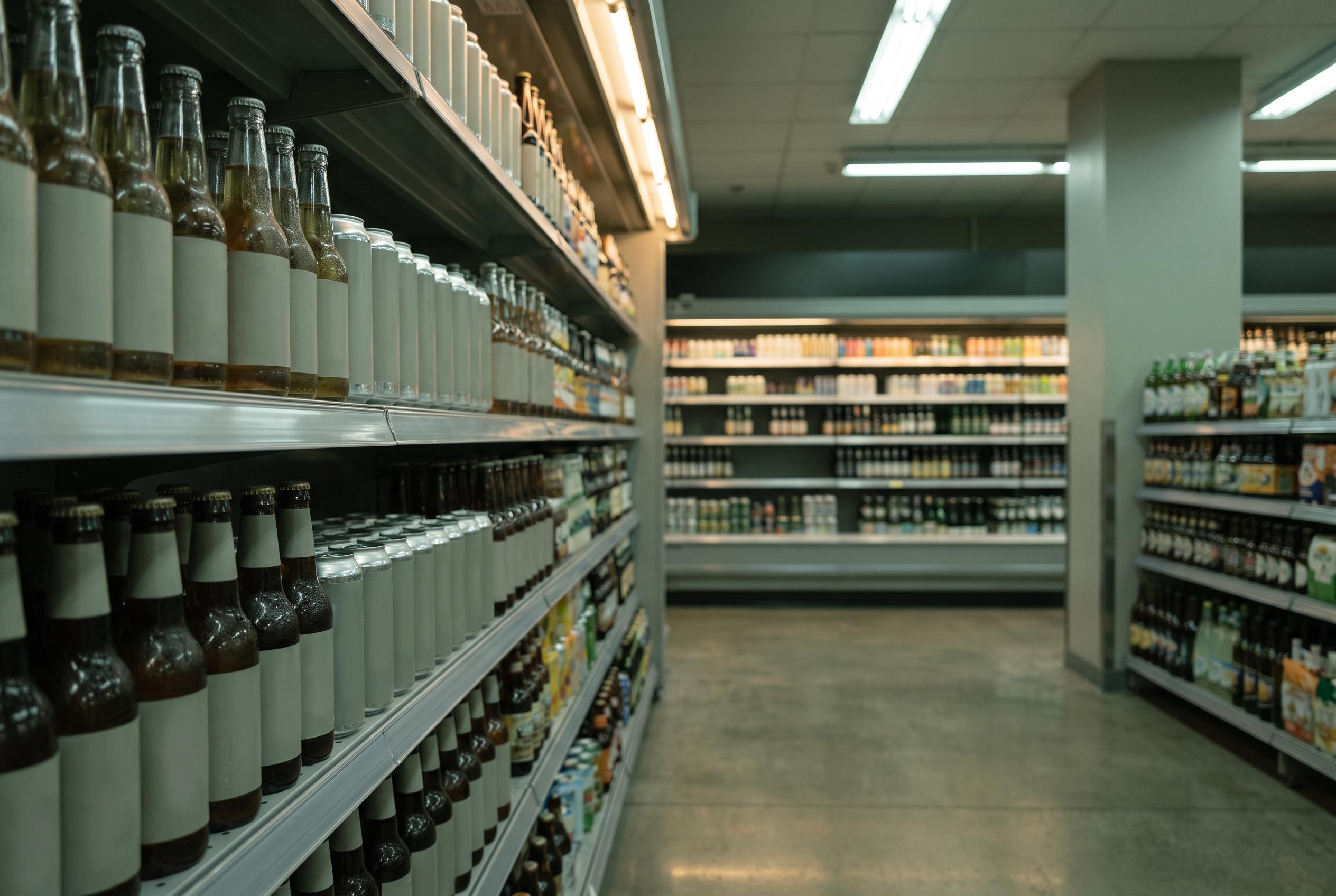
If you have switched to alcohol-free beer and felt your shopping bill go up rather than down, you were not imagining it. A study published in the journal Addiction, reported on 6 September 2026, looked at what no-alcohol and low-alcohol drinks actually cost per serving in Great Britain. The researchers, led by A. K. Stevely and colleagues, used market research data from Circana covering off-trade alcohol sales in 2024. Off-trade means drink bought in shops to take home, rather than in pubs and restaurants. They examined 20,544 individual products: 20,094 regular-strength items and 450 no-alcohol or low-alcohol ones. The headline finding is neat and slightly annoying. No-alcohol and low-alcohol beer cost 7% more per serving than regular-strength beer, despite often looking cheaper on the shelf. For cider, the difference almost vanished. No and low-alcohol cider came out just 0.4% different per serving. The explanation is mostly about packaging. Regular-strength beer is sold in bigger multipacks, and bigger packs bring the price per serving down. Alcohol-free versions are more often sold in smaller packs. On top of that, the best-selling alcohol-free products tend to be premium brands, which are priced higher to begin with.
Why this matters
Plenty of people are trying to drink less. Some are cutting back for their health, some because of medicines they take, some because of pregnancy, driving, sport or simply preferring how they feel. Alcohol-free drinks are one of the easiest ways to do that without feeling left out of a round. Whether people actually switch depends partly on cost. And cost is where the shelf can mislead you. A four-pack of alcohol-free beer at a lower price than an eighteen-pack of lager looks like the cheaper option. Per drink, it may not be. There is a broader point here about how shelf pricing works. Most people would expect a drink with the alcohol taken out to be the cheaper choice. This study suggests that what happens on the shelf, through pack sizes and premium branding, can cancel that expectation out. None of which means you should not buy them. It means it is worth knowing where to look.
What the evidence actually says
This is a descriptive study of prices. It is a careful count of what things cost, not an experiment. The researchers compared prices per serving using both the median price and a purchase-weighted price, which takes account of what people actually buy rather than treating every product on the shelf as equally popular. That is a sensible approach, because a handful of best-sellers dominate real shopping baskets. The limits are stated openly. The analysis excluded discount retailers, specifically Aldi and Lidl. Those are substantial chains, and their pricing could shift the picture. It covered shop-bought drink only, not pubs, bars or restaurants, where the price gap between an alcohol-free pint and a regular one may look very different. And it did not test whether these price differences change what people buy. That would need a different kind of study. So we know alcohol-free beer works out dearer per serving in the data examined; we do not know from this study how many people that puts off. The data are also from 2024, and this is a fast-moving part of the drinks market. One thing worth adding, because it is a common confusion: 'alcohol-free', 'de-alcoholised' and 'low alcohol' are not the same thing, and some products labelled low alcohol still contain a small amount. If you avoid alcohol completely for medical, religious or personal reasons, read the alcohol by volume figure on the label rather than the wording on the front.
Practical advice
Compare price per 100ml or per bottle, not per pack. Most supermarket shelf labels show a unit price in small print. That small print is where the real comparison lives. Check the bigger pack sizes for alcohol-free ranges. Where they exist, they usually close most of the gap. Supermarket own-brand alcohol-free options are often much cheaper than the premium brands that dominate the market. If you are cutting down rather than stopping, remember that alcohol-free drinks are only one tool. Alternating with water, using smaller glasses and having several drink-free days a week all help. The UK Chief Medical Officers advise not regularly drinking more than 14 units a week, spread over three or more days. If you take regular medicines, ask your pharmacist whether alcohol interacts with any of them. Some common medicines, including certain antibiotics, sedatives and painkillers, do not mix well with alcohol. And if you are cutting down because you are worried about how much you drink, please do not go it alone. If you drink heavily every day, stopping suddenly can be dangerous. Speak to your GP first. Drinkline offers free, confidential advice on 0300 123 1110.
What to know
A study published in Addiction and reported on 6 September 2026 analysed 20,544 drink products sold in shops in Great Britain in 2024. No and low-alcohol beer cost 7% more per serving than regular-strength beer. For cider, prices were near identical, differing by 0.4%. The main reasons are packaging and branding: regular beer is sold in larger multipacks, and popular alcohol-free products tend to be premium brands. The study excluded Aldi and Lidl, looked only at shop-bought drink, and did not test how prices affect what people choose. If you are switching, compare the unit price rather than the pack price, look at larger packs, and consider own-brand ranges. Sources: News-Medical, 'Alcohol-free beer looks cheaper on the shelf, but the checkout tells a different story', 6 September 2026, https://www.news-medical.net/news/20260906/Alcohol-free-beer-looks-cheaper-on-the-shelf-but-the-checkout-tells-a-different-story.aspx ; Stevely A K and colleagues, Addiction, 2026, DOI 10.1111/add.70568, https://doi.org/10.1111/add.70568 ; NHS, 'Alcohol units', accessed 7 September 2026, https://www.nhs.uk/live-well/alcohol-advice/calculating-alcohol-units/ This article is for general information and does not replace advice from a doctor, pharmacist or other qualified healthcare professional. If you drink heavily and want to stop, seek medical advice first, as stopping suddenly can be unsafe.
Related articles

The first thing you say matters, and most of us have no idea what it should be
On 15 October 2026, the Ministry of Justice launched a campaign called Respond. It sits within the government's wider ENOUGH campaign on violence against women…
Legal to buy from today, illegal after 11pm: what the fireworks rules actually say
On 15 October 2026, the Office for Product Safety and Standards (OPSS) launched a campaign about fireworks. Its title is 'Think Beyond your garden, Know your Im…
Update: the driest April to September in over a century, and six counties now in severe drought
This is a follow-up to a story we have covered before, because something significant has changed. On 15 October 2026, the government declared severe drought in…