
Living brain tissue in a dish is helping scientists study pregnancy and inflammation
What happened
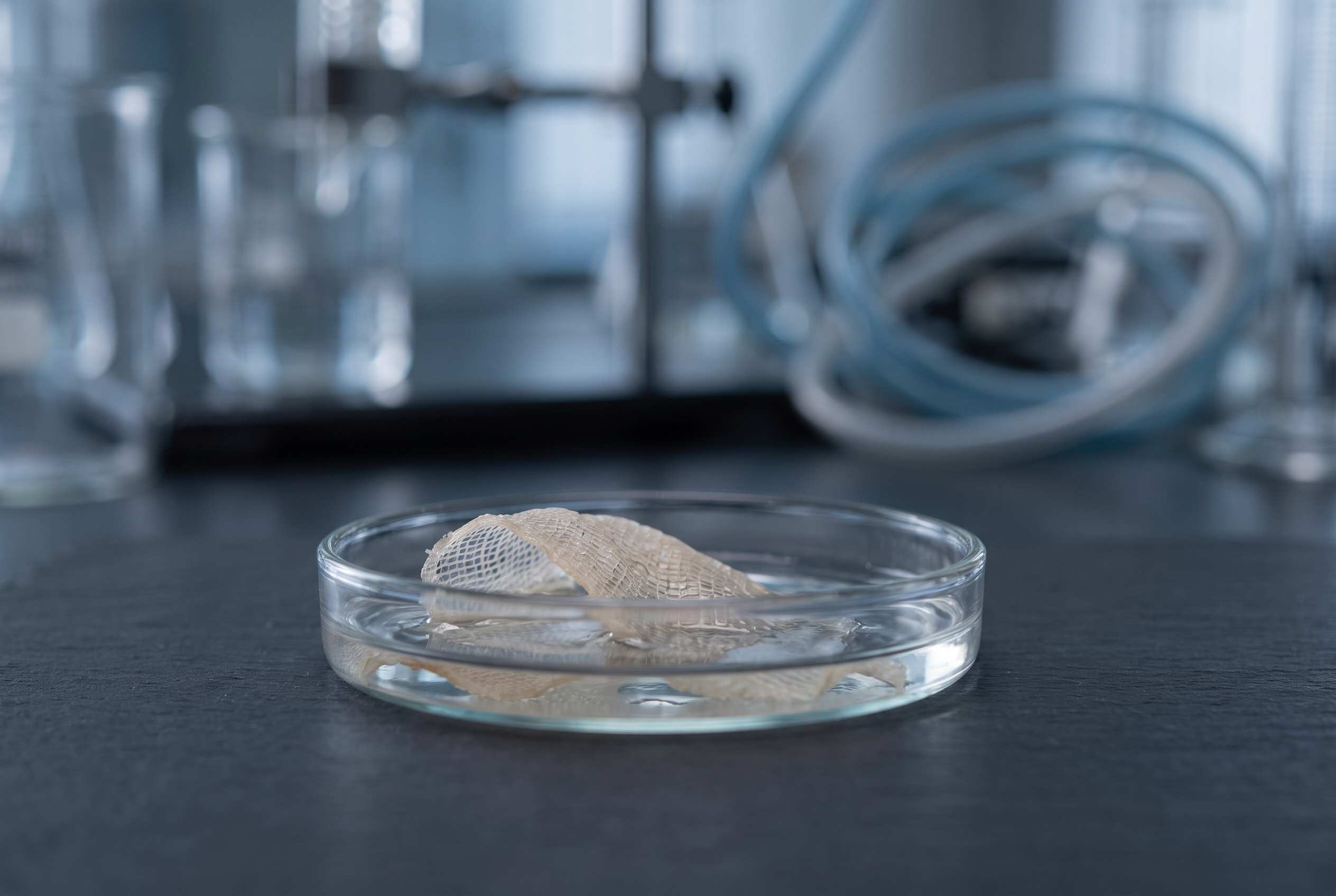
Researchers at the University of Aberdeen have used a relatively new laboratory tool to study how inflammation during pregnancy might affect a developing brain. The work was reported on 5 September 2026 and published in the journal Nature Neuroscience by Muhammad Z. K. Assir and colleagues. The tool is called a cerebroid. A cerebroid is a small three-dimensional piece of developing human brain tissue, kept alive outside the body in a carefully controlled, nutrient-rich environment. That is different from the better-known 'organoid'. Organoids are grown from stem cells, effectively built from scratch in the lab. Cerebroids start as real developing tissue, so they keep much more of the structure, cell variety and organisation of the developing human cortex. The team exposed cerebroids to a signalling protein called IL-17A. IL-17A is one of the molecules the immune system produces during inflammation, and it has been linked in previous research to what scientists call maternal immune activation. The exposed tissue changed. It folded earlier than expected, grew thicker, and produced and matured nerve cells faster. The researchers traced this to a signalling pathway called NF-kB staying switched on in neural stem cells. When they blocked that pathway, many of the changes reversed.
Why this matters
The bigger question sitting behind this research is one many parents have heard about and worried over: does being ill during pregnancy affect a baby's brain? It is a question that has been studied for decades and is genuinely hard to answer. Large population studies have found associations between severe infections in pregnancy and slightly higher rates of some neurodevelopmental conditions. But associations in populations cannot tell you what is happening inside cells, and they cannot separate the infection from everything else that goes with it. That is where a tool like this earns its place. It lets researchers ask a narrow, mechanical question in a controlled way: if you apply this one inflammatory signal to developing brain tissue, what happens? There is also a wider point about how medical research is changing. Human tissue models let scientists study human biology directly, and can reduce reliance on animal testing. Over time, that should mean findings that translate better into people.
What the evidence actually says
This is a laboratory study, and the gap between what it shows and what a worried parent might read into it is enormous. So let us be very clear. The study exposed isolated tissue to a single inflammatory molecule. It did not involve any pregnant person. It did not follow any child. It did not show that infection or inflammation in pregnancy causes autism, ADHD or any other condition. The researchers say this themselves. Their work models one inflammatory signal in isolated tissue. It does not demonstrate that maternal inflammation directly causes neurodevelopmental conditions. They state the findings need validating through further work in more cerebroids, in organoids, and in animal models. What the study does add is a plausible mechanism, and a possible point of intervention: the NF-kB pathway, which could be blocked in the dish. Whether that means anything for real pregnancies is completely unknown, and nobody should be blocking immune pathways in pregnancy on the strength of a dish experiment. It is also worth saying that a cerebroid, however faithful, is a fragment of tissue without a body, a placenta, a blood supply or a mother's regulating systems. Real pregnancy is far more complicated, and often far more protective, than a dish.
Practical advice
If you are pregnant or planning a pregnancy, nothing in this study changes the standard advice. But the standard advice is worth repeating, because it is about avoiding infection in the first place. Take up the vaccinations offered in pregnancy. In the UK that includes the flu vaccine, the whooping cough vaccine and, where offered, the RSV vaccine. These are offered precisely because infections during pregnancy carry real risks to mother and baby. If you develop a fever, do not just wait it out. Contact your midwife, GP or 111. A high temperature in pregnancy should be assessed. Check before taking medicines. Some over-the-counter painkillers are fine in pregnancy and some are not, and it can depend which trimester you are in. Your pharmacist can advise in a minute, free of charge. Wash your hands, and take normal food hygiene precautions. And try not to carry guilt about illnesses you had in a past pregnancy. Research at this stage is about understanding biology, not about assigning blame to anyone.
What to know
Scientists at the University of Aberdeen used cerebroids, living pieces of developing human brain tissue kept alive in the lab, to study the effects of the inflammatory signal IL-17A. The work was published in Nature Neuroscience and reported on 5 September 2026. The exposed tissue folded early, thickened, and produced nerve cells faster. Blocking the NF-kB signalling pathway reversed many of these changes. This is laboratory work on isolated tissue. It does not show that illness in pregnancy causes any condition in children, and the authors say it needs validating in further models. The practical advice for pregnancy is unchanged: take up the vaccines offered, get fevers checked, and ask a pharmacist before taking any medicine. Sources: Medical Xpress, 'Cerebroid study hints at how maternal inflammation may influence fetal brain development', 5 September 2026, https://medicalxpress.com/news/2026-09-cerebroid-hints-maternal-inflammation-fetal.html ; Assir M Z K and colleagues, Nature Neuroscience, 2026, DOI 10.1038/s41593-026-02400-2, https://doi.org/10.1038/s41593-026-02400-2 ; NHS, 'Vaccinations in pregnancy', accessed 7 September 2026, https://www.nhs.uk/pregnancy/keeping-well/vaccinations/ This article is for general information and does not replace advice from a doctor, midwife, pharmacist or other qualified healthcare professional. If you are pregnant and feel unwell, contact your maternity team.
Related articles

Switched on in 1956, switched off in 2003, and now being taken apart piece by piece
Seventy years ago, in October 1956, Queen Elizabeth II opened Calder Hall on the Sellafield site in west Cumbria. It was the world's first nuclear power station…
25 storms, £179,000 of delay each, and ten weather stations bolted to masts already standing
On 14 October 2026, Network Rail announced that its Wales and Borders route has become the first in Britain to turn existing railway radio masts into weather st…
Two dead satellites, 17,000 mph, and one refuellable spacecraft sent to fetch them
On 15 October 2026, the UK government confirmed funding for a mission to go up and fetch two dead satellites. It is called the UK Active Debris Removal mission…