
Free breakfast clubs open in 1,400 more schools this term
What happened
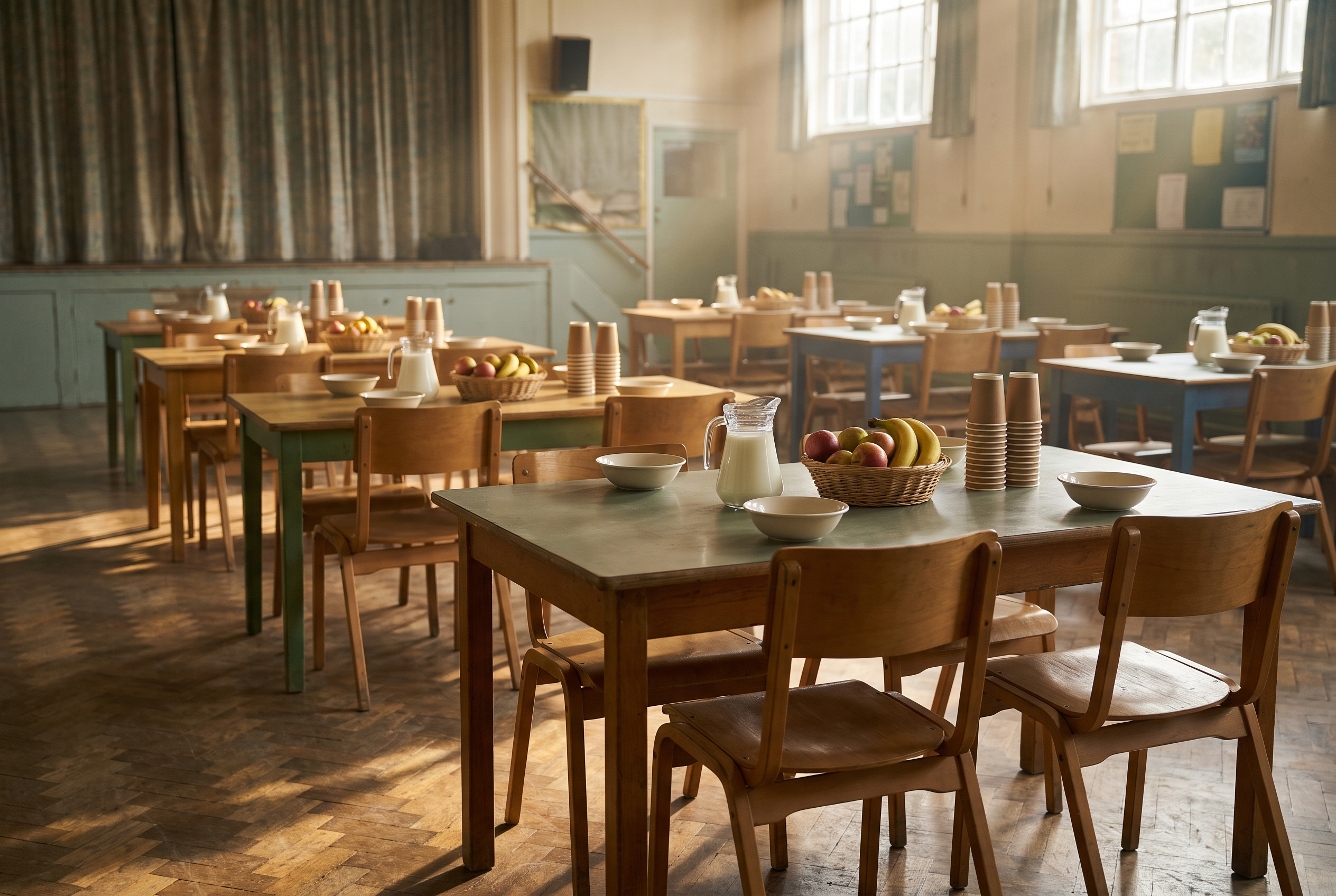
Free breakfast clubs have started in around 1,400 more schools in England this term, bringing the total offering them to more than 2,700. The government expects more than 680,000 children to attend them this year, up from around 300,000 before the summer holidays. The clubs are free to families, must be open to all pupils at a participating school, and have to run for at least 30 minutes before the school day starts. The government estimates a family using one every school day could save up to £450 a year, and gain roughly 95 hours of childcare across the school year. The scheme has grown in stages. It began in April 2025 with 750 early adopter schools, expanded through 2026, and a further £80 million was committed to fund an additional 2,000 schools between April 2026 and March 2027. Schools that were part of the older National School Breakfast Programme have been able to move across to the new scheme from this September. It sits alongside two other changes families will already have noticed this term: a cap on branded uniform items, and free school meals for children in households on Universal Credit.
Why this matters
There are two quite different reasons this matters, and they are worth separating. The first is money and time. Half an hour of free, supervised care before school is not a small thing for a parent trying to get to work. For families juggling shifts, it can be the difference between a workable morning and a stressful one. The estimated £450 a year is real money in a year when very little has got cheaper. The second is the child. A child who has not eaten by nine in the morning is not in a good position to learn. Hunger shows up as fidgeting, poor concentration and short tempers long before anyone calls it hunger. There is also something quieter going on. A free club that is open to everyone does not single anybody out. A child whose family is struggling sits down with the child whose family is not, and nobody has to know which is which. That matters to children more than adults sometimes remember. The government points to evidence from the early adopter schools showing improvements in attendance, behaviour and attainment.
What the evidence actually says
The claims about attendance, behaviour and attainment come from the government's own evaluation of the early adopter schools, so it is fair to treat them as encouraging rather than settled. That said, they are consistent with what earlier independent research has found. Studies of breakfast provision in England have previously reported benefits for concentration and attainment among primary-age children, and attendance is one of the easier things to measure honestly. The savings figures need a little care too. The 'up to £450' assumes a family attends every school day and would otherwise have paid for equivalent childcare. Families who would not have paid for anything still gain the breakfast and the time, but they will not see £450 back in their account. One genuine limitation is the 30-minute minimum. For parents starting work at eight, half an hour before school may not close the gap, and how much difference the club makes depends heavily on what time it actually opens at your school. And it is not everywhere. More than 2,700 schools is a lot, but England has far more schools than that. Whether your child can go depends on whether your school is in the scheme.
Practical advice
The first thing to do is simply find out whether your school is offering one. Ask at the office, check the school website, or look at the newsletter. Do not assume you would have been told, because in a busy first week plenty of messages get lost. If your school does have a club, ask three practical questions: what time does it open, do you need to book a place or can children just turn up, and what is actually served. If your child is nervous about going, try the first week with a friend. Most of the anxiety is about walking into a room not knowing anyone, and it usually disappears by day three. If your school is not part of the scheme, it is worth asking the school or your governors whether they plan to join, since the programme is still expanding. And check the other two changes while you are at it. If you are on Universal Credit, check whether your child is now eligible for free school meals, because eligibility is assessed on your current circumstances and you may need to apply rather than being enrolled automatically. Uniform costs are also capped this year, so if a supplier is still insisting on more branded items than the rules allow, raise it with the school.
What to know
Around 1,400 more schools in England began offering free breakfast clubs this term, taking the total past 2,700, with more than 680,000 children expected to attend. They are free, open to all pupils at participating schools, and run for at least half an hour before school. The government estimates savings of up to £450 a year and around 95 hours of childcare. The most useful thing you can do this week is ask your school whether it has one and what time it opens, and check whether you now qualify for free school meals under the widened rules. Sources: GOV.UK, 'Government to cut costs for parents ahead of new school year', 1 September 2026, https://www.gov.uk/government/news/government-to-cut-costs-for-parents-ahead-of-new-school-year ; GOV.UK, 'Free breakfast clubs grant: 2026 to 2027 academic year', 8 July 2026, https://www.gov.uk/government/publications/free-breakfast-clubs-grant-2026-to-2027-academic-year ; LBC, 'More schools to offer free breakfast clubs in new school year, Government says', 2026, https://www.lbc.co.uk/article/more-schools-to-offer-free-breakfast-clubs-in-new-school-year-government-says-5HjdcXD_2/ This article is for general information and does not replace advice from a doctor, pharmacist or other qualified healthcare professional. If you have concerns about your child's eating, growth or wellbeing, speak to your GP or school nurse.
Related articles

A 47-year record broken, glaciers at their biggest loss yet, and a 4,000-year-old piece of ice on a table
On 15 October 2026, the UK launched an updated Arctic Policy Framework. Uma Kumaran MP, Minister for the Polar Regions at the Foreign, Commonwealth and Developm…
Almost a million young people are NEET, and six in ten have never had a job at all
On 15 October 2026, the Department for Work and Pensions and UKHospitality announced a partnership with sixteen of Britain's biggest hospitality employers. The…
Only 14% passed their maths resit. The Education Secretary says that has to stop
On 15 October 2026, Education Secretary Lucy Powell gave a speech to the Confederation of School Trusts conference. Powell was appointed Education Secretary in…