
A compound in blueberries changed how muscle cells handled fat. In a dish
What happened
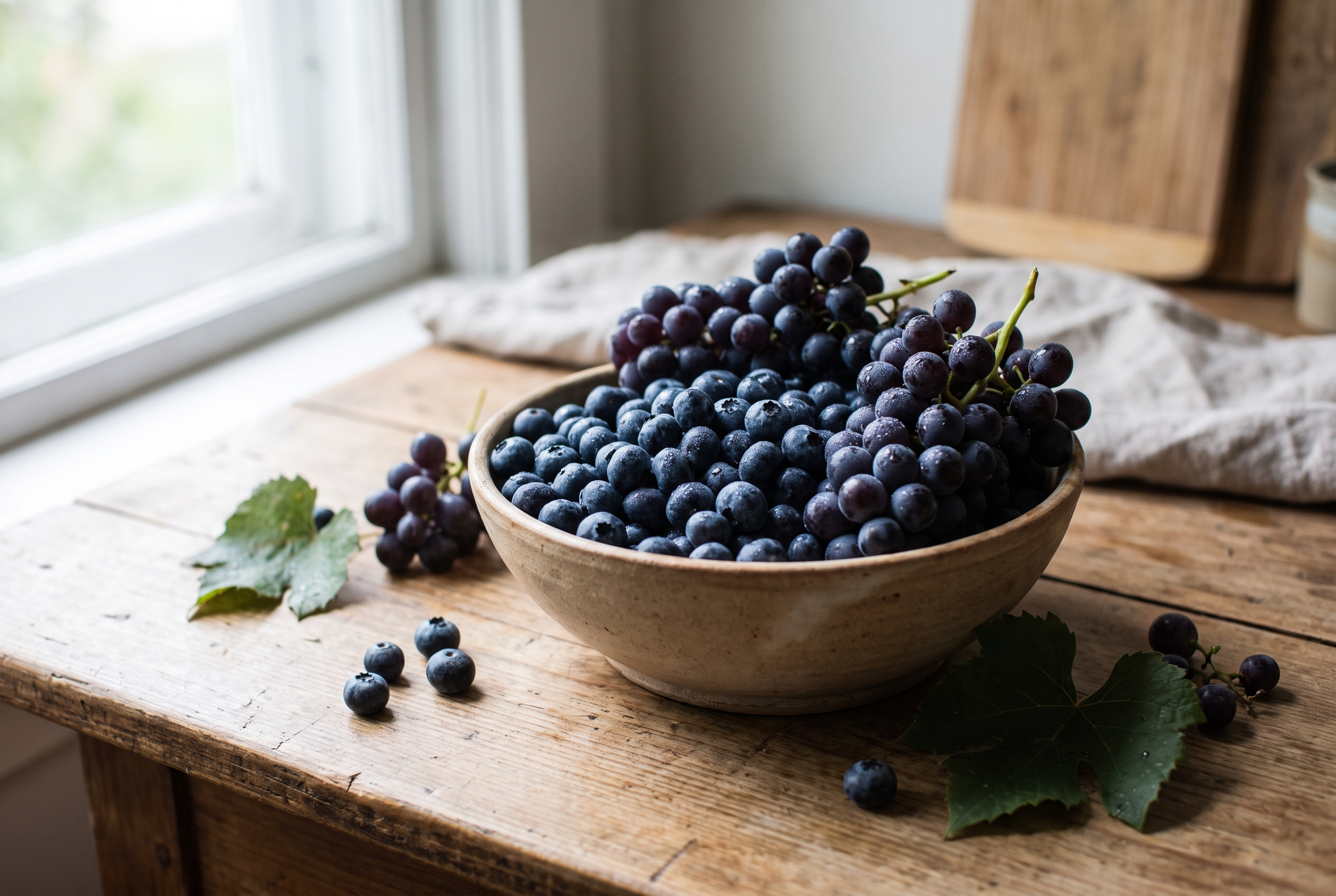
Researchers in Japan have reported that a natural compound found in blueberries and grapes reduced fat build-up inside muscle cells grown in a laboratory. The compound is called pterostilbene. It belongs to a family of plant chemicals called polyphenols, and it is chemically related to resveratrol, the compound that gave rise to years of headlines about red wine. The team was led by Associate Professor Takakazu Mitani at Shinshu University. They tested a range of food-derived plant chemicals on cultured mouse skeletal muscle cells, a widely used laboratory cell line called C2C12. Pterostilbene stood out. In those cells, it reduced the abnormal build-up of fat droplets, appearing to do so by increasing the breakdown of fat and by helping to stabilise a protein called PPAR delta, which is involved in how cells handle fatty acids. The findings were published on 1 September 2026 in the journal Food Bioscience. The background to the work is genuinely interesting. Fat droplets that accumulate inside muscle cells can interfere with how muscles work, and can make it harder for the body to use glucose and fatty acids efficiently. Pterostilbene had already been linked to effects in the liver and in fat tissue. Much less was known about muscle.
Why this matters
Fat stored inside muscle, rather than around the waist, is something scientists have become steadily more interested in. It is associated with insulin resistance, which is the process that sits underneath type 2 diabetes. It also tends to increase with age, and it is one of the things that makes muscle weaker and less efficient in later life. So research into what influences it is worth doing. If something can shift how muscle cells handle fat, that is a thread worth pulling. But there is a second reason this story matters, and it has nothing to do with blueberries. This is the kind of research that gets turned into a headline about a superfood by lunchtime, and into a supplement advert by the end of the week. Being able to read a study like this accurately is a genuinely useful skill. It protects your money as much as your health.
What the evidence actually says
Here is the crucial detail: this study was done on mouse muscle cells in a dish. That is a very long way from a person eating fruit. Cells in a laboratory are exposed to a controlled concentration of a purified compound, directly. When you eat a blueberry, the compound has to survive digestion, be absorbed, get into your bloodstream, reach muscle tissue, and arrive at a meaningful concentration. Most plant compounds fail somewhere along that chain. No human being was studied. No mouse was even studied, in the whole-animal sense. No health outcome was measured. Nothing here shows that eating blueberries reduces fat in your muscles, improves your blood sugar, or helps you lose weight. This is also worth remembering because we have been here before. Resveratrol, pterostilbene's close relative, produced a decade of excitement about red wine and longevity, and the human trials never delivered what the laboratory work promised. What this study is, properly described, is a piece of basic science identifying a possible mechanism worth investigating. That is a legitimate and useful thing to publish. It is simply not a dietary recommendation. The sensible position is interest without action.
Practical advice
Should you eat blueberries? Yes, if you like them. They are a decent, ordinary fruit: reasonable fibre, some vitamin C, and they count towards your five a day. Should you eat them because of this study? No. Should you buy a pterostilbene supplement because of it? Definitely not. Supplements marketed on the back of cell studies are one of the most reliable ways to spend money for no benefit. They are also not risk-free: high-dose supplements can interact with prescription medicines, and unlike medicines they are not tested for that. If you take anything for your heart, your blood, your thyroid or your diabetes, check with your pharmacist before adding a supplement. It is a free conversation and it takes two minutes. If your actual interest is fat in muscle and how your body handles blood sugar, the things with real evidence behind them are unexciting and they work: regular activity, particularly anything that uses your muscles against resistance, keeping to a healthy weight, eating enough fibre and protein, and sleeping properly. Frozen blueberries, incidentally, are nutritionally comparable to fresh ones and much cheaper. If you want more fruit in your week, that is a better tip than anything in this study.
What to know
Japanese researchers found that pterostilbene, a compound in blueberries and grapes, reduced fat build-up in cultured mouse muscle cells, apparently by boosting fat breakdown and stabilising a protein involved in fat metabolism. The work was published in Food Bioscience on 1 September 2026 and is a legitimate piece of early laboratory science. It involved cells in a dish. It says nothing yet about what happens when a person eats fruit, and it is not a reason to change your diet or buy a supplement. Eat blueberries because they are nice and they are good for you. Not because of a headline. Sources: Food Bioscience, Volume 83, study led by Associate Professor Takakazu Mitani, Shinshu University, published 1 September 2026, reported via Medical Xpress, 'Berry compound reduces fat buildup in muscle cells, study finds', September 2026, https://medicalxpress.com/news/2026-09-berry-compound-fat-buildup-muscle.html ; ScienceDaily, 'Compound in blueberries may help muscle cells burn excess fat', 5 September 2026, https://www.sciencedaily.com/releases/2026/09/260903064219.htm This article is for general information and does not replace advice from a doctor, pharmacist or other qualified healthcare professional. Always check with your pharmacist before taking a supplement alongside prescribed medicines.
Related articles

The first thing you say matters, and most of us have no idea what it should be
On 15 October 2026, the Ministry of Justice launched a campaign called Respond. It sits within the government's wider ENOUGH campaign on violence against women…
Legal to buy from today, illegal after 11pm: what the fireworks rules actually say
On 15 October 2026, the Office for Product Safety and Standards (OPSS) launched a campaign about fireworks. Its title is 'Think Beyond your garden, Know your Im…
Update: the driest April to September in over a century, and six counties now in severe drought
This is a follow-up to a story we have covered before, because something significant has changed. On 15 October 2026, the government declared severe drought in…