
Alzheimer's may leave traces in the brain years earlier than we could see
What happened
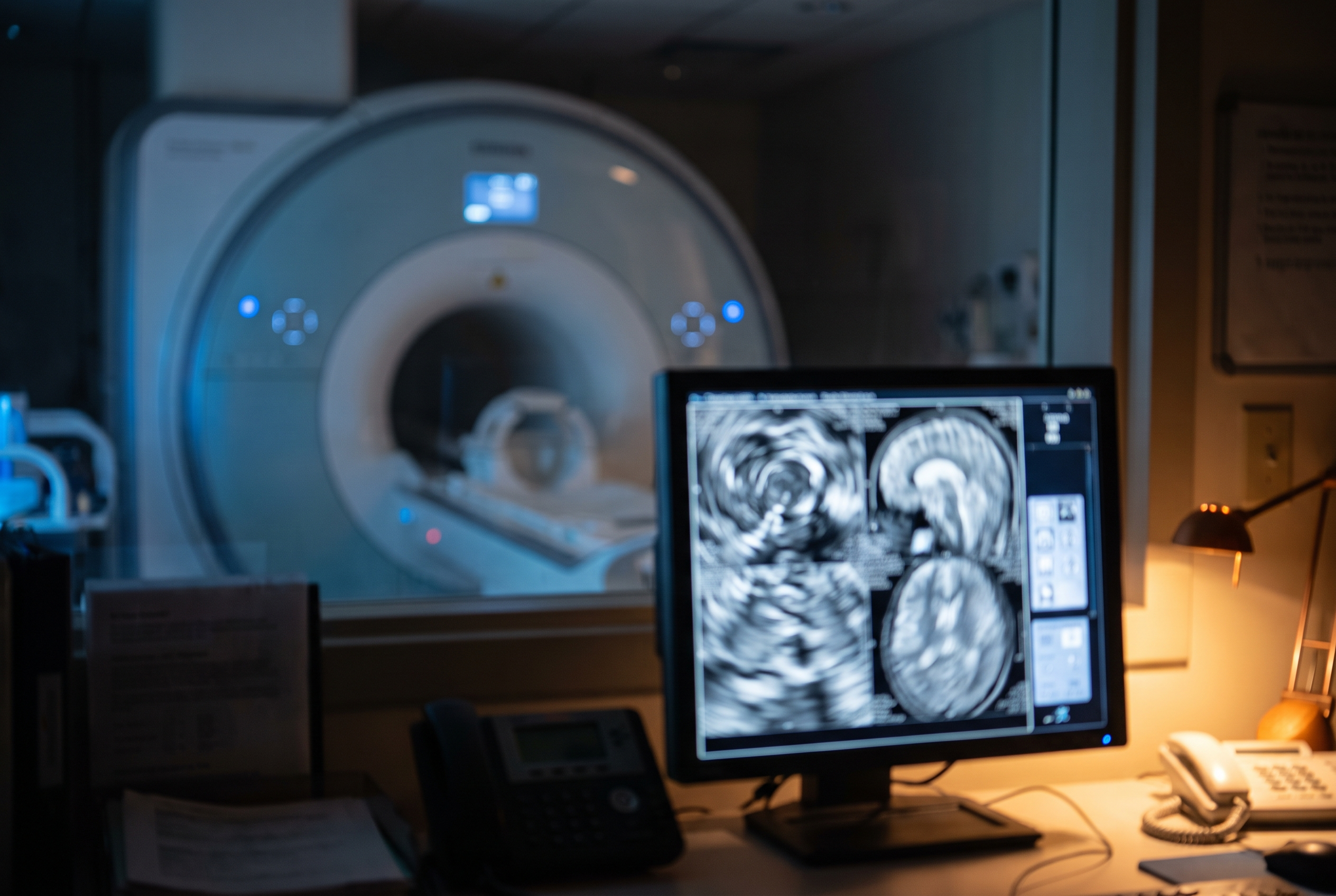
Researchers in Norway have found signs of change in the brain at least seven years before the hallmark of Alzheimer's disease can be spotted on the scans currently used to detect it. The study was carried out at the Center for Lifespan Changes in Brain and Cognition at the University of Oslo. It was published in the journal Nature Neuroscience in August 2026, under the title 'Cortical thickness changes precede high levels of amyloid by at least 7 years'. To understand why this is notable, it helps to know what doctors usually look for. Alzheimer's disease is associated with a protein called amyloid, which clumps together to form what are known as plaques. These plaques can be seen using a type of scan called amyloid PET imaging. The Oslo team did something unusual. They followed healthy older adults with repeated brain scans over nearly two decades. That is an enormous amount of patience for a research project. Because they had all that history, they could work backwards. They identified the point at which plaques first became detectable on PET scans. Then they went back and looked at MRI scans taken in the years before that moment. What they found was that changes in the thickness of the cortex, the outer layer of the brain, were already measurable years earlier. The researchers describe this as the earliest brain-imaging signal linked to Alzheimer's disease found so far. The implication is that amyloid PET scanning, useful as it is, may not be sensitive enough to catch the very beginning of the process.
Why this matters
Dementia is one of the biggest health challenges facing the UK. Alzheimer's disease is the most common cause of it. One of the hardest things about it is timing. By the point somebody notices symptoms and gets a diagnosis, the underlying changes in the brain have usually been happening for a long time. That is a difficult starting position for any treatment. This is why early detection research attracts so much interest. If the process could be spotted earlier, there would be more time to act. Trials of new treatments could also recruit people at an earlier stage, which may be part of why some past trials have disappointed. There is a second reason this study is interesting. It suggests that important things may be happening before amyloid plaques build up to detectable levels. For years, much of the research effort in Alzheimer's has focused heavily on amyloid. If measurable changes come first, that raises real questions about the sequence of events. That is not a small point scientifically. But it needs to be said plainly that this is a question being opened, not a question being closed.
What the evidence actually says
It is important to be careful here, because research about early Alzheimer's signals can easily be read as something it is not. This study does not describe a test you can ask for. There is no scan available at your GP surgery, or anywhere else, that will tell you whether you are going to develop Alzheimer's disease in seven years. That is not what has been produced. What has been produced is a research finding about patterns visible when you look backwards across many people over a very long period. Finding a signal in group data collected over 20 years is very different from being able to tell an individual person what will happen to them. It is also worth remembering what this kind of study cannot do. Detecting changes that come before plaques does not explain what causes those changes. It does not tell us whether they could be stopped, slowed or reversed. And not everyone with early changes will necessarily go on to develop dementia. There is a further caution that applies to all early-detection research. A test that tells someone about a risk with no available treatment raises genuinely difficult questions. Some people would want to know. Others would not. That is a personal decision, and a real one, not a hypothetical. The honest position is that this is careful, patient science that adds a piece to a large and unfinished picture. It is a reason for cautious interest among researchers. It is not a reason for anyone to worry about their own brain scans today, or to seek one out. Meanwhile, the practical advice about reducing dementia risk has not changed, and that advice is genuinely worth acting on.
Practical advice
While early detection research continues, there is a lot already known about reducing dementia risk. The World Health Organization has published guidance on this, and the same themes come up repeatedly. Look after your blood pressure. High blood pressure in midlife is one of the clearest risk factors, and it usually has no symptoms. Get it checked. Many pharmacies offer free checks for adults over 40. Stay physically active. It does not have to be strenuous. Regular walking counts. Do not smoke. Stopping helps at any age, and NHS stop smoking services genuinely improve your chances. Get your hearing checked. Untreated hearing loss is linked to dementia risk, and hearing aids are available on the NHS. Stay socially connected and mentally active. Both are associated with lower risk. This is one of the more enjoyable pieces of health advice available. Keep alcohol within recommended limits, and manage conditions like diabetes and high cholesterol with your GP. If you or someone close to you is noticing memory problems, please do not wait and hope. Some causes of memory difficulty are treatable, including thyroid problems, vitamin deficiencies, depression and side effects of certain medicines. A GP appointment is the right first step. If you care for someone with dementia and are struggling with their medicines, ask your pharmacy what support is available. Many can help with organising and reviewing them.
What to know
Researchers at the University of Oslo, publishing in Nature Neuroscience in August 2026, found measurable changes in the thickness of the brain's cortex at least seven years before amyloid plaques became detectable on PET scans. The study followed healthy older adults with repeated brain scans over nearly 20 years. The researchers describe this as the earliest brain-imaging signal associated with Alzheimer's disease identified so far, and suggest current amyloid scans may miss the earliest stage. This is a research finding based on group data over decades. It is not a test that can predict Alzheimer's in an individual, and no such test is available. Advice on reducing dementia risk is unchanged: manage blood pressure, stay active, avoid smoking, address hearing loss, stay socially connected, and manage conditions like diabetes. If you are worried about memory problems, see your GP. Some causes are treatable. Sources: Roe, J. M., et al., 'Cortical thickness changes precede high levels of amyloid by at least 7 years', Nature Neuroscience, 2026, DOI 10.1038/s41593-026-02363-4, https://doi.org/10.1038/s41593-026-02363-4 | News-Medical, 'Brain changes detect Alzheimer's seven years before plaques appear', 19 August 2026, https://www.news-medical.net/news/20260819/Brain-changes-detect-Alzheimers-seven-years-before-plaques-appear.aspx | ScienceDaily, 'Alzheimer's may leave a mark on the brain long before plaques appear', 31 August 2026, https://www.sciencedaily.com/releases/2026/08/260831015144.htm This article is for general information and does not replace advice from a doctor, pharmacist or other qualified healthcare professional. If you are concerned about memory or thinking problems for yourself or someone else, please speak to your GP.
Related articles

47% stayed off, 14% called anyone: what 68,000 surveys say about how we handle flu
On 15 October 2026, the UK Health Security Agency (UKHSA) published new findings about what people actually do when they come down with flu-like symptoms. The…
One dose, not two: what WHO's advisers have just said about the HPV jab
The World Health Organization's expert vaccine panel has changed its advice on the HPV jab. The panel is called SAGE, short for the Strategic Advisory Group of…
3.5 million deaths a year, and no level of it is safe
On 15 October 2026, the World Health Organization (WHO) published an update calling on countries to speed up action against lead poisoning. It came just before…