
Fake Rabies Vaccines Found in the Philippines, Why UK Travellers Treated There Are Being Asked to Come Forward
What happened, why it matters, and what to know
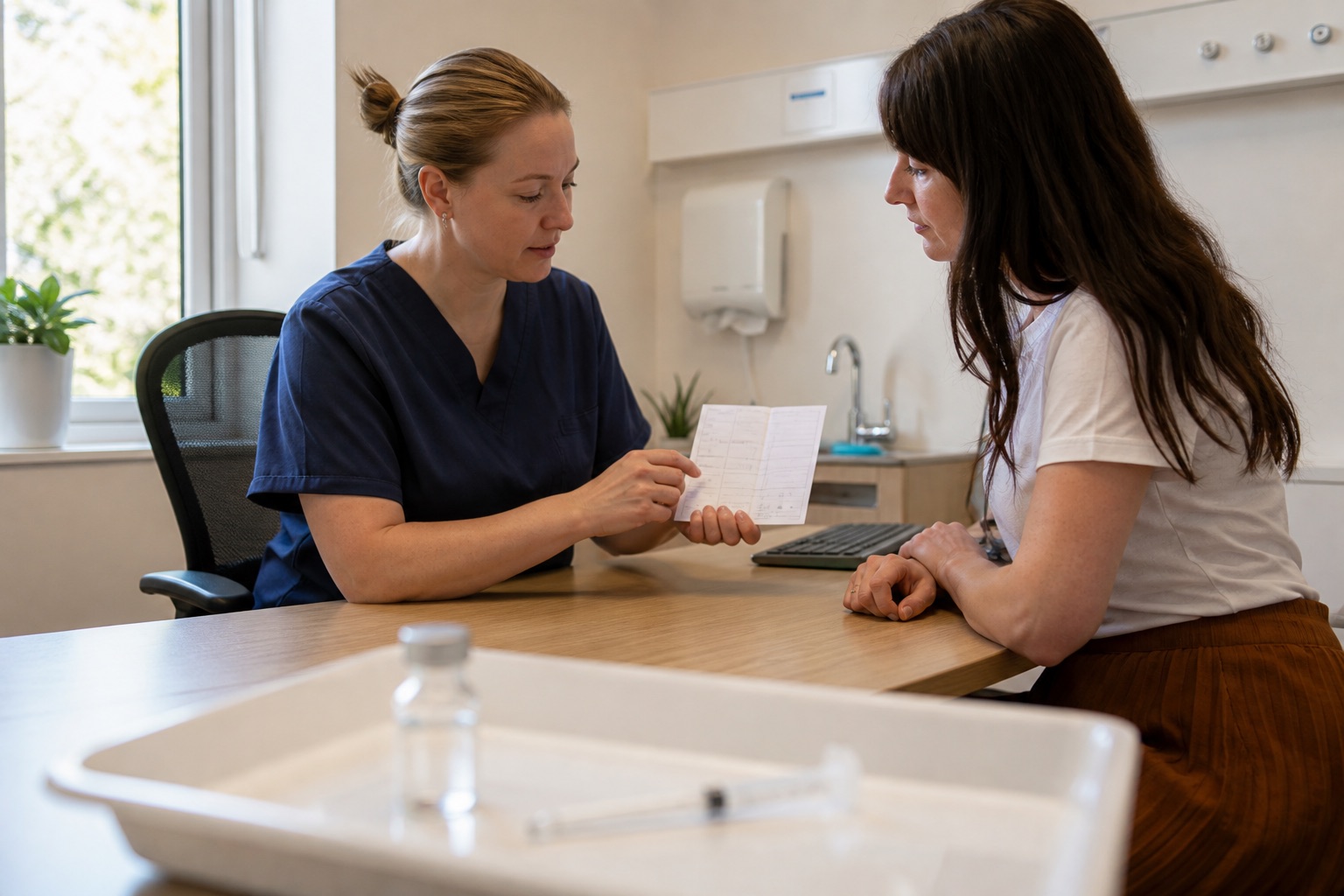
On 11 August 2026, TravelHealthPro (NaTHNaC), the UK's national travel health resource, published an alert confirming that public health agencies in all four UK nations are carrying out a look-back exercise. The aim is to identify any UK traveller who received rabies vaccination following an animal bite or scratch in the Philippines from March 2025 onwards. The alert follows actions in the Philippines earlier in 2026. On 9 March 2026, the Philippine Food and Drug Administration issued Advisory No. 2026-0121, warning that a counterfeit version of the Vaxirab N rabies vaccine was circulating, noting a genuine, authentic version of the same batch was also legitimately on the market, making the fake harder to spot. Ten days later, on 19 March, a joint operation involving the FDA's Field Regulatory Operations Office and the National Bureau of Investigation raided a site in Taguig City and seized counterfeit anti-rabies vaccines alongside the materials used to fake them, including hologram stickers, cartons and unlabelled vials. Investigators found serious cold-chain violations that could have compromised whatever was actually inside the vials. Why this matters: the Philippines is a well-established holiday destination for British travellers, and animal bites and scratches - often from stray dogs or cats - are one of the more common reasons travellers there need urgent medical treatment. Rabies post-exposure treatment only works if it's given promptly and if the vaccine used is genuine; a counterfeit product can leave someone believing they're protected when they may not be. Because rabies has an incubation period that can range from weeks to over a year, someone who received a fake vaccine after a bite last year could still be at risk now, with no way of knowing unless flagged and offered reassessment. What the evidence says: rabies is almost always fatal once symptoms develop, but it's also one of the most preventable diseases in travel medicine, provided genuine vaccine is given correctly and promptly after exposure. The concern is specifically about counterfeit product, not the vaccine itself being unsafe when genuine. TravelHealthPro's alert doesn't suggest everyone vaccinated in the Philippines is at risk, only that anyone treated for an animal bite there since March 2025 should have their case reviewed. No cases of rabies resulting specifically from a confirmed counterfeit dose have been reported in UK travellers as part of this alert; the look-back is a precautionary measure. Qurexa perspective: this story is a useful, real-world reminder of why medicine authenticity matters so much, wherever in the world it comes from. It's exactly the concern that sits behind Qurexa's own focus on regulated, traceable medicine supply and safe medication management. If you're travelling and need any medical treatment abroad, including vaccination, it's worth asking where a facility sources its medicines from and keeping any paperwork or vaccine vial stickers. For anyone managing regular prescriptions at home or abroad, the underlying lesson holds: always get your medicines through a properly regulated pharmacy or clinic, never through informal or unofficial sources. Practical advice: if you received a rabies vaccine or rabies immunoglobulin after an animal bite or scratch in the Philippines from March 2025 onwards, contact your GP or a registered travel health clinic for an assessment - do this even if you feel completely well. Keep hold of any vaccination record cards, vaccine vial packaging or photographs from the treatment. If you're currently in the Philippines or travelling there soon, avoid contact with stray or unfamiliar dogs, cats, monkeys and bats. If bitten or scratched, wash the wound thoroughly with soap and running water for several minutes straight away, then seek medical care immediately at a reputable, established facility. Disclaimer: This article is for general information and does not replace official travel health advice from your GP, pharmacist, or a registered travel health clinic. Sources: NaTHNaC / TravelHealthPro, "Falsified Rabies Vaccine: Philippines" (11 Aug 2026); Philippine Food and Drug Administration via Sunstar Philippines, Advisory No. 2026-0121 (9 Mar 2026); Outbreak News Today, "Philippines: FDA seize counterfeit anti-rabies vaccines" (20 Mar 2026).
Related articles
One minute early, five minutes late: the bus punctuality rule up for review
The Senior Traffic Commissioner for Great Britain has launched a consultation into how bus service performance is judged. It was announced on 17 September 2026…

Charleroi night flights hit by strikes until 10 October: Belgium advice updated
The Foreign, Commonwealth and Development Office updated its travel advice for Belgium on 17 September 2026, adding information about strike action. The main p…

Chiltern Railways goes public on Sunday: 25 more trains a day from December
Chiltern Railways moves into public ownership on Sunday 20 September 2026. Chiltern runs services from London Marylebone out to communities across Buckinghamsh…