
Schools Face New Legal Duty on Allergy Safety From This September
What happened, why it matters, and what to know
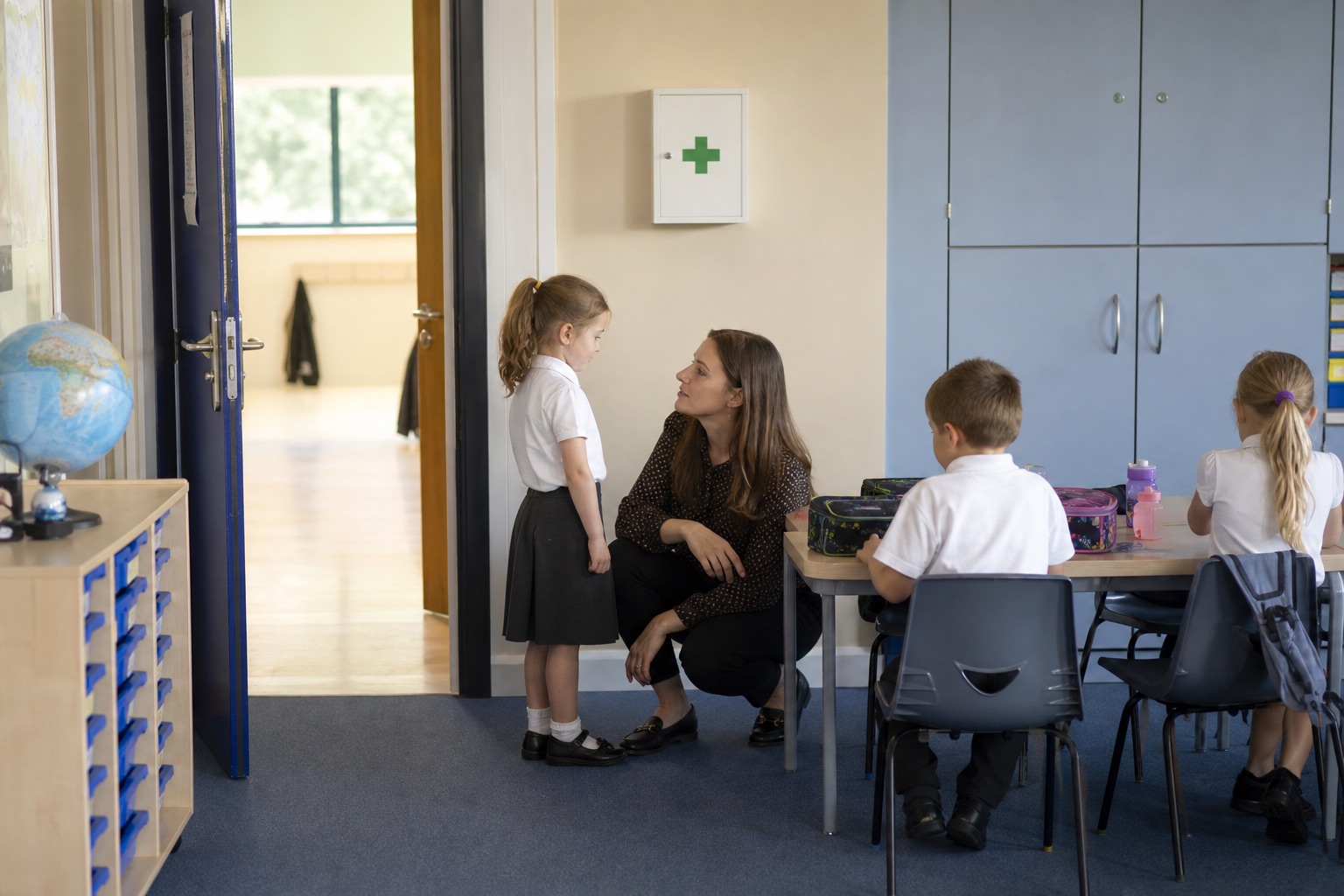
The Department for Education published statutory guidance on allergy safety in schools on 6 July 2026, with new legal duties coming into force on 1 September 2026. Every state-funded school in England must have a standalone allergy safety policy, rather than folding allergy management into a general medical conditions policy. Schools must provide allergy awareness training for all staff, appoint a named senior leader and governor to oversee allergy safety, stock spare adrenaline auto-injectors, and put an Individual Healthcare Plan in place for every pupil who needs one. Schools must also record and learn lessons from serious incidents and carry out proper risk assessments for school trips. The guidance is widely known as Benedict's Law, after Benedict Blythe, a five-year-old who died following an allergic reaction linked to cow's milk exposure at his primary school in December 2021. His parents' campaigning, through the Benedict Blythe Foundation, was central to the guidance being introduced. Tracey Dunn of Anaphylaxis UK, which co-produced supporting resources, said: "I am delighted that schools now have clear, unambiguous guidance that will keep students living with allergies safe and included at school." Why this matters: this affects almost every family with a school-age child. Anaphylaxis UK estimates that, on average, two children in every classroom have a diagnosed allergy, and up to 30% of serious allergic reactions happen in children with no previous diagnosis, meaning school staff may be the first to spot and respond. Anaphylaxis UK reports around 70% of schools do not currently have all of the soon-to-be-mandatory measures in place, and nearly 500,000 school days were lost last year to allergy-related illness or appointments. For parents of a child with a known allergy, this should mean clearer plans, trained staff, and backup adrenaline available. What the evidence says: confirmed in the guidance are the list of requirements - policy, training, named oversight, spare adrenaline, Individual Healthcare Plans, incident recording, and risk assessments for trips. The scope is state-funded schools in England; independent schools are encouraged but not legally required to follow it. The statistics on current gaps come from Anaphylaxis UK and the Benedict Blythe Foundation rather than the Department for Education's own document, so should be understood as sector estimates. The guidance is preventative and procedural - it changes what schools must have in place, but doesn't itself measure a reduction in reactions, since no outcome data exists yet. Qurexa perspective: this is fundamentally a story about carer education and correct medication administration under pressure, which is territory Qurexa cares about deeply. Knowing how and when to use an adrenaline auto-injector correctly, understanding an Individual Healthcare Plan, and recognising early signs of a reaction are skills that sit alongside the everyday medication literacy that helps families manage long-term health conditions safely. Practical advice: if your child has a diagnosed allergy, contact your school before term starts to check their Individual Healthcare Plan has been reviewed, and ask which staff member now holds overall responsibility for allergy safety. Make sure the school has an in-date adrenaline auto-injector for your child, and check separately whether the school stocks its own spare devices, since these are backup only. If your child doesn't have a diagnosed allergy, it's still worth discussing what to do if a friend seems unwell after eating something. Parents of children going on school trips should ask in advance how the school plans to manage allergy risk and emergency medication while away from the school site. Disclaimer: This article is for general information and does not replace advice from a doctor, pharmacist, teacher or other qualified professional as appropriate. Sources: GOV.UK / Department for Education, "Allergy safety in schools" (6 Jul 2026); Anaphylaxis UK, "Department of Education publishes new statutory guidance on allergies in schools" (6 Jul 2026); EVOLVE Advice, "Allergy Safety in Schools - final guidance published" (8 Jul 2026).
Related articles

NHS Clinicians to Train as Data Scientists in New GBP13m UK Programme
The University of Liverpool announced on 14 August 2026 that it will lead a new GBP13 million doctoral training programme called MEDATA, short for Medicines and…

NHS Rolls Out Expanded Diabetes Self-Management Education Across England
University Hospitals of Leicester NHS Trust (UHL) has been awarded a five-year contract to take over delivery of NHS England's Healthy Living service, a nationa…